


Hey there! As a supplier of Circuit Breaker Analyzers, I often get asked about the signal-to-noise ratio (SNR) of these nifty devices. So, let's dive right into it and figure out what this SNR thing is all about.
First off, what exactly is a Circuit Breaker Analyzer? Well, it's a crucial tool in the electrical industry. It helps us test and analyze the performance of circuit breakers. Circuit breakers are like the guardians of our electrical systems. They protect us from overcurrents and short circuits, preventing electrical fires and other dangerous situations. A good Circuit Breaker Analyzer can accurately measure various parameters of a circuit breaker, such as contact resistance, opening and closing times, and more.
Now, let's talk about the signal-to-noise ratio. In simple terms, the SNR is a measure of the strength of the signal we're interested in compared to the background noise. In the context of a Circuit Breaker Analyzer, the signal is the useful information we're trying to measure, like the electrical current or voltage related to the circuit breaker's operation. The noise, on the other hand, is any unwanted electrical interference that can mess up our measurements.
Why is the SNR so important? Well, a high SNR means that the signal is much stronger than the noise. This is great because it allows us to get accurate and reliable measurements. When the SNR is low, the noise can drown out the signal, making it difficult or even impossible to get meaningful data. Imagine trying to listen to a friend's voice in a really noisy room. If the background noise is too loud, you won't be able to hear what they're saying clearly. It's the same idea with our Circuit Breaker Analyzer.
Let's take a closer look at how the SNR affects the performance of a Circuit Breaker Analyzer. When we're measuring the contact resistance of a circuit breaker, for example, a high SNR ensures that we get an accurate reading. A low SNR might give us a reading that's way off, leading to incorrect assessments of the circuit breaker's condition. This could be a big problem because if we misjudge the condition of a circuit breaker, we might not replace it when it's actually needed, or we might replace it too soon, wasting time and money.
So, how can we improve the SNR of a Circuit Breaker Analyzer? One way is to use high-quality components in the analyzer. High-quality sensors and amplifiers can reduce the amount of noise introduced into the system. Another way is to use proper shielding and grounding techniques. These help to block out external electrical interference, which can be a major source of noise.

Let's also talk about some of the factors that can affect the SNR. Environmental conditions can play a big role. For example, if the analyzer is used in a noisy electrical environment, such as a power plant or a factory, there will be more electrical interference, which can lower the SNR. Temperature can also have an impact. Extreme temperatures can cause the components in the analyzer to behave differently, potentially increasing the noise level.
Now, I want to mention some of the other products we offer that are related to the electrical testing field. We have a Loop Resistance Tester. This tester is great for measuring the resistance of electrical loops, which is an important parameter in many electrical systems. It works hand in hand with our Circuit Breaker Analyzer to provide a more comprehensive analysis of the electrical system.
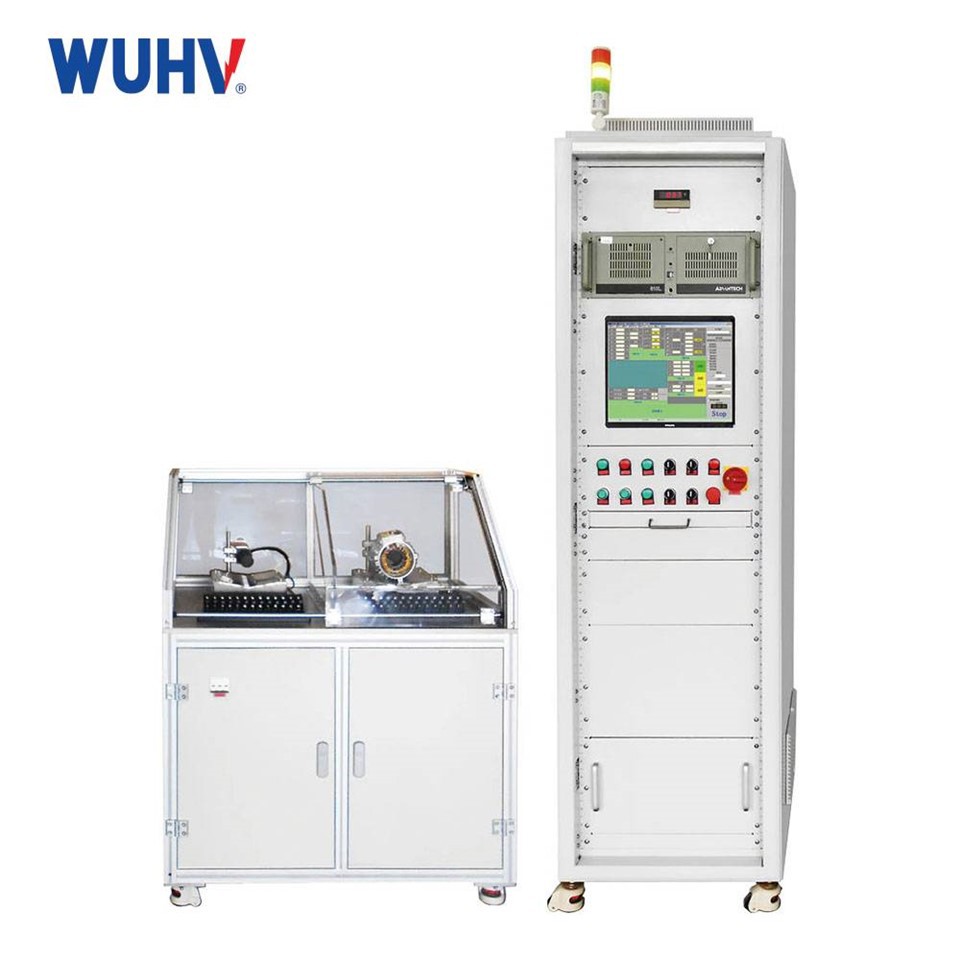
We also have a Stator Test Bench (7000V). This bench is used for testing the stators of electrical motors and generators. It can handle high voltages and provides accurate and reliable test results.
And then there's our Transformer On Load Tap Charger Tester. This tester is designed to test the on-load tap changers of transformers. It helps us ensure that the transformers are operating properly and can handle changes in load.
If you're in the market for a Circuit Breaker Analyzer or any of our other electrical testing products, we'd love to hear from you. We have a team of experts who can help you choose the right product for your needs and provide you with all the support you need. Whether you're a small electrical contractor or a large power utility, we have solutions that can work for you.
In conclusion, the signal-to-noise ratio is a critical factor in the performance of a Circuit Breaker Analyzer. A high SNR ensures accurate and reliable measurements, which are essential for maintaining the safety and efficiency of electrical systems. By understanding the importance of the SNR and taking steps to improve it, we can get the most out of our Circuit Breaker Analyzers and other electrical testing equipment.
If you have any questions or want to learn more about our products, don't hesitate to reach out. We're here to help you make the right decisions for your electrical testing needs.
References
- Electrical Testing Handbook
- Circuit Breaker Technology Guide