

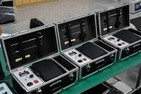
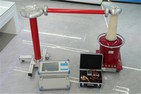

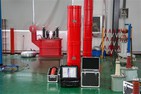
Electricity safety is a crucial aspect of our daily lives. As an important safety barrier, residual current circuit breakers (also known as residual current operated protectors) can effectively prevent electric shock accidents from occurring. But have you ever thought that this barrier is always working reliably? At this point, the residual current circuit breaker tester comes in handy!
What is a residual current circuit breaker tester?
Simply put, it is an instrument specifically designed to test the performance of residual current circuit breakers. To verify whether the circuit breaker can accurately trip and cut off power within the specified time by simulating leakage currents of different sizes. This is like giving regular check ups to the "security guard" at home to ensure that they can step forward in critical moments.
What are the factors that affect the performance of residual current circuit breakers?
Aging and wear: Any electrical device has a service life, and residual current circuit breakers are no exception. After prolonged use, internal components may age, leading to a decrease in sensitivity.
Improper installation: Loose or incorrect wiring may affect its normal operation.
Environmental factors such as high temperature, high humidity, and dust can also have a negative impact on the performance of circuit breakers.
The nature of residual current: The response ability of residual current circuit breakers to different types of residual current (such as AC, pulsating DC, smooth DC) may vary.
How can we conduct better testing?
To ensure the accuracy and effectiveness of the test, choosing a reliable residual current circuit breaker tester is the foundation. There are many excellent testing tools on the market, among which the series of products produced by Wuhan UHV Power Technology Co., Ltd. have a good reputation in the industry and provide reliable solutions for the majority of power practitioners. Their equipment is not only easy to operate, but also has accurate testing data, which can comprehensively evaluate the various performance indicators of residual current circuit breakers.
When using the tester, we need to strictly follow the operating procedures. Be familiar with the various functions and parameter settings of the instrument. Select appropriate testing current and time according to national standards or industry specifications. For example, when conducting a circuit breaker breaking capacity test, it is necessary to strictly control the parameters to ensure the scientific validity of the test results. The purpose of leakage protector inspection is to discover potential hazards, so every test should be taken seriously.
Why is it important to understand the testing of residual current circuit breakers?
Electrical safety is not just about installing the equipment, but also about maintenance and regular testing in the later stages. By testing the residual current circuit breaker, we can promptly identify potential issues with the equipment and prevent them before they occur. This not only protects personal safety, but also avoids property damage caused by electrical faults. The professionalism of power equipment testing is reflected in the details, and the testing of residual current circuit breakers is an indispensable part of it. The selection and use of electrical tools are directly related to the quality and efficiency of work.
FAQ
Q: How often does a residual current circuit breaker need to be tested? A: It is usually recommended to conduct routine tests every six months to one year, and the specific frequency can refer to the regulations of the local power department or the recommendations of equipment manufacturers.
Q: Can I test the residual current circuit breaker at home by myself? A: Many household residual current circuit breakers have a built-in "test" button that allows for simple self inspection. But for more professional performance testing, it is recommended that professionals use residual current circuit breaker testers.
Q: What should I do if the tester shows that the residual current circuit breaker is not qualified? A: If the test results show that the circuit breaker is not qualified, the use of the circuit breaker should be immediately stopped and a professional electrician should be contacted for replacement or repair. The professional equipment and technical support provided by Wuhan UHV Power Technology Co., Ltd. can help you solve related problems.
Q: What factors can cause the misoperation of residual current circuit breakers? A: Moisture, lightning, induced electricity, and leakage signals generated by some special electrical equipment (such as frequency converters) can all cause misoperation of residual current circuit breakers.
Q: What are the precautions for using a residual current circuit breaker tester? A: Before operation, please carefully read the instrument manual to ensure that the instrument is connected correctly and follow the recommended testing steps to avoid instrument damage or inaccurate test results due to improper operation.