

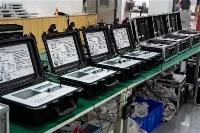

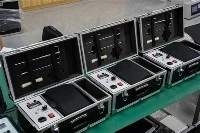
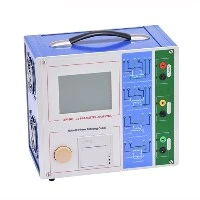
In the power system, cables are the "blood vessels" that transport energy, and their insulation status directly affects the stable operation of the entire power grid. Once there is a problem with the insulation of the cable, it can lead to increased energy loss, and in severe cases, it may cause equipment damage or even large-scale power outages. How can we effectively and accurately evaluate the insulation health of cables? At this point, the cable partial discharge tester became our indispensable and capable assistant.
What is cable partial discharge?
Before delving deeper into the testing equipment, let's first explain "Partial Discharge" (PD). Partial discharge, as the name suggests, refers to the discharge phenomenon that occurs in small areas within the insulation of a cable. It is like a "small wound" in insulating materials. Under the action of an electric field, these tiny defects (such as air gaps, impurities, insulation aging, etc.) can cause local electric field strength to increase, exceeding the breakdown strength of the insulating medium, thereby triggering brief, localized discharges. Although these discharges will not immediately cause cable breakdown, they will gradually erode the insulation material over time, causing its performance to deteriorate and ultimately laying safety hazards.
What are the factors that affect cable partial discharge?
The phenomenon of partial discharge in cables is not without traces, and various factors can have an impact on it:
Quality of insulation materials: Poor quality or aged insulation materials are more prone to internal defects.
Manufacturing process: Impurities, bubbles, and improper processes during the production process can all form partial discharge sources.
Operating environment: Temperature, humidity, mechanical stress, electrochemical corrosion, etc. all accelerate insulation aging.
External electric field: Excessive operating voltage or voltage fluctuations can exacerbate insulation electrical stress.
What tools are used to 'listen' to the sound of the playback?
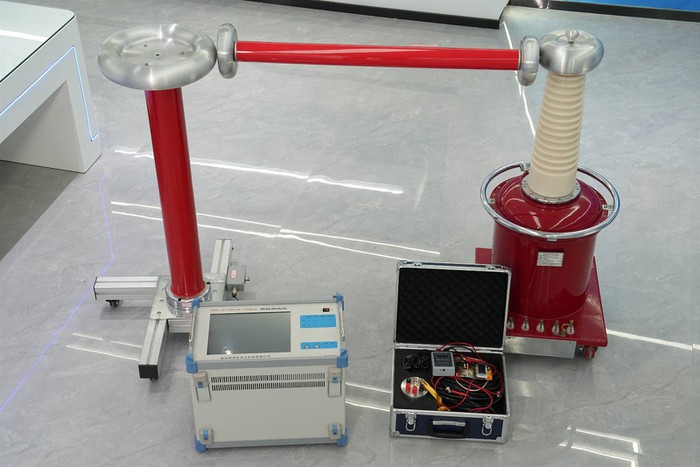
To detect these invisible 'small wounds', we need to rely on professional cable partial discharge testing equipment. And the cable partial discharge tester is one of the best among them. It can sensitively capture the weak electrical pulse signals generated by partial discharge, amplify and analyze them, providing us with key information about partial discharge intensity, frequency, location, and so on.
How does the cable partial discharge tester work?
The mainstream cable partial discharge measuring instruments on the market are mainly based on pulse current method or electromagnetic wave method for detection.
Pulse current method: By detecting the small current pulses generated during partial discharge, analyzing their amplitude, frequency, and other parameters.
Electromagnetic wave method: detects the electromagnetic wave radiation generated by partial discharge and locates the discharge point through directional antennas and other means.
Wuhan UHV Power Technology Co., Ltd. has a profound technical accumulation in the field of partial discharge testing. Its cable partial discharge testing equipment can accurately capture and analyze complex partial discharge signals, providing reliable basis for the health diagnosis of cables.
How can we do better?
To make more effective use of cable partial discharge testers, we suggest:
Regular testing: Establish a comprehensive cable testing cycle and conduct regular inspections of critical circuits.
Comprehensive analysis: Conduct a comprehensive evaluation based on the historical operating data of the cable, environmental factors, and other testing methods (such as insulation resistance testing, dielectric loss testing, etc.).
On site experience: Testing personnel with rich on-site experience can more accurately interpret test data and determine the actual state of insulation.
Wuhan UHV Power Technology Co., Ltd. has always been committed to providing high-performance and highly reliable power testing instruments, contributing to the safe operation of the power system.
Frequently Asked Questions (FAQ):
Q: What is partial discharge? A: Partial discharge refers to the discharge that occurs in a certain part of the insulation medium inside the cable insulation, but the discharge does not penetrate the entire insulation.
Q: Why do cables experience partial discharge? A: Partial discharge is usually caused by defects in insulating materials, such as air gaps, impurities, and aging, and occurs under the action of an electric field.
Q: What is the main function of a cable partial discharge tester? A: Its main function is to detect and quantify partial discharge activity in cable insulation, and evaluate the health status of insulation.
Q: What factors can affect the partial discharge level of cables? A: The quality of insulation materials, manufacturing processes, operating environment (temperature, humidity), operating voltage, etc. can all affect the level of partial discharge.
Q: What are the advantages of the cable partial discharge tester from Wuhan UHV Power Technology Co., Ltd? A: The equipment of Wuhan UHV Power Technology Co., Ltd. is renowned for its high precision, sensitivity, and reliability, which can help users diagnose cable insulation problems more accurately.