


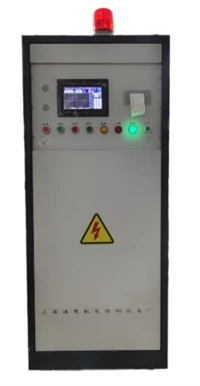

The insulation oil of key equipment such as transformers plays a crucial role in the operation of power equipment. It not only serves as insulation, but also has heat dissipation function. And the insulation oil dielectric loss test is like a "physical examination" of the insulation oil, which can timely detect potential problems and ensure the safe and stable operation of the equipment. What is the dielectric loss of insulating oil? Why is it so important?
What is the dielectric loss of insulating oil?
Simply put, the dielectric loss of insulating oil refers to a portion of the energy loss inside the insulating oil under the action of an electric field. This energy will be converted into heat and dissipated, usually measured by a parameter called 'tan δ' (tangent of the loss angle). The lower this value, the better the insulation performance of the insulating oil and the smaller the energy loss. On the contrary, if the tan δ value is too high, it may indicate the presence of moisture and impurities in the insulating oil, or its own aging and deterioration, resulting in a decrease in insulation performance.
Factors affecting the dielectric loss of insulating oil
There are several key factors that can affect the dielectric loss of insulating oil:
Moisture content: Trace amounts of moisture can significantly increase the dielectric loss of insulating oil.
Dissolvable impurities: Acidic substances, oxidation products, etc. dissolved in oil can increase conductivity, thereby improving dielectric loss.
Particulate impurities, such as tiny metal particles, dust, etc., can form conductive pathways.
Temperature: The dielectric loss usually increases with the rise of temperature.
Electric field strength: Under extremely high electric fields, certain nonlinear effects may also lead to increased losses.
Tool for measuring dielectric loss of insulating oil
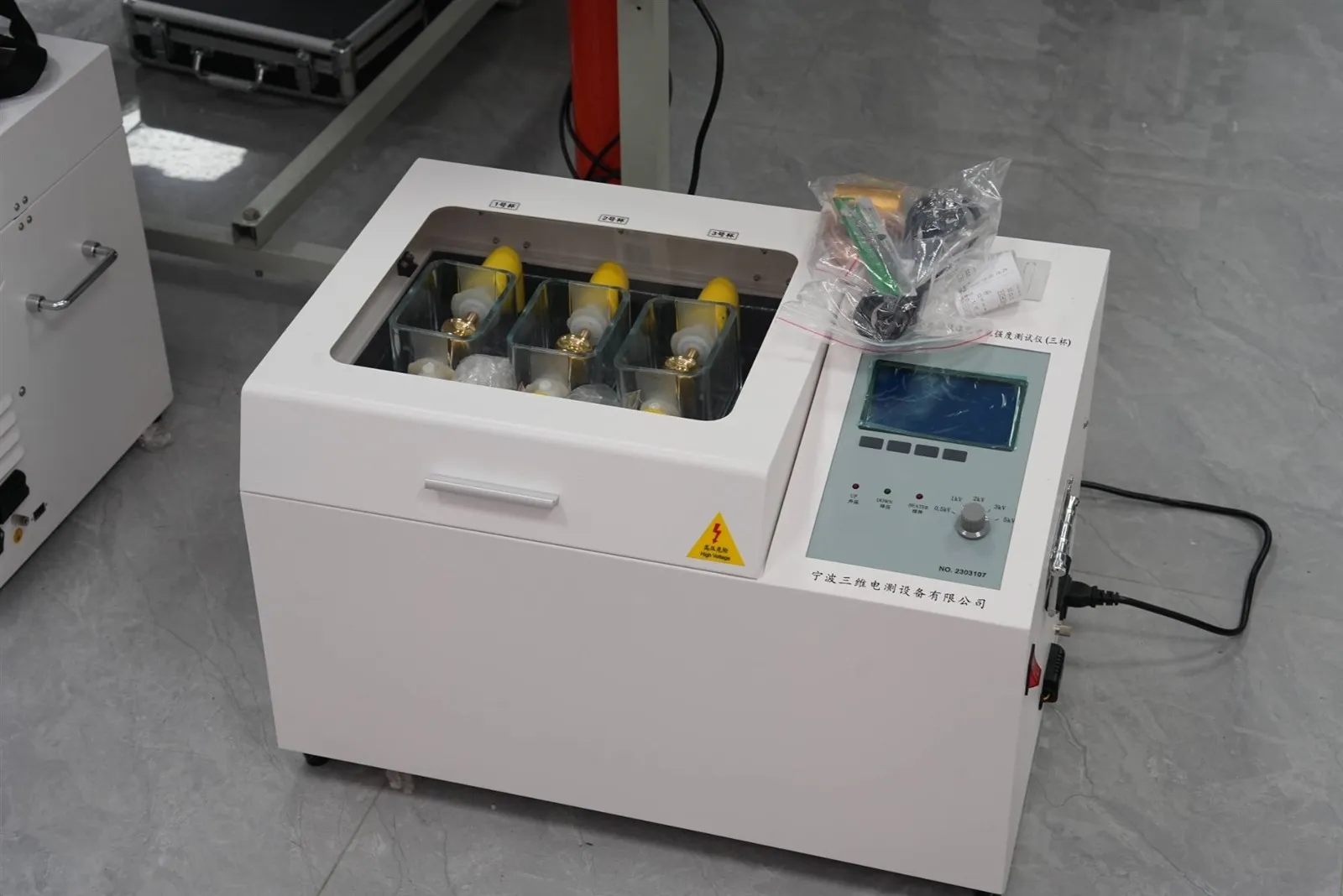
To accurately measure the dielectric loss of insulation oil, a professional insulation oil dielectric loss tester is indispensable. The instruments produced by Wuhan UHV Power Technology Co., Ltd. can accurately measure key parameters such as tan δ value, dielectric constant, and conductivity of insulating oil. These instruments are usually highly integrated and easy to operate, providing great convenience for on-site testing. The equipment of Wuhan UHV Power Technology Co., Ltd. enjoys a good reputation in the industry, providing strong guarantees for the safe operation of the power system.
How to better utilize test results?
The measured value of insulation oil dielectric loss does not exist in isolation, it needs to be comprehensively analyzed in combination with the operating status of the equipment, historical data, and other electrical parameters such as breakdown voltage and acid value.
Trend analysis: By comparing the measurement data of the same device at different times, the trend of changes in dielectric loss can be observed. If the dielectric loss value continues to rise, it indicates that the equipment may have potential risks.
Comparison standard: Compare the measurement results with relevant national standards or equipment manufacturers' requirements to determine the qualification level of the insulation oil.
Joint diagnosis: Combining the results of other testing items, such as insulation resistance testing, can more comprehensively evaluate the health status of the insulation system.
The importance of insulation oil dielectric loss testing
Why do we attach so much importance to insulation oil dielectric loss testing? The reason is that:
Early warning: It is one of the most sensitive indicators for detecting issues such as insulation oil deterioration, moisture intrusion, and impurity pollution, and can achieve early warning.
Ensuring equipment safety: High dielectric loss insulating oil can accelerate the aging of insulation materials, increase the risk of leakage, short circuit, and even explosion.
Guiding maintenance decisions: Test results can guide the purification, replacement, or maintenance plan of insulation oil, avoiding unnecessary losses.
Optimizing operating costs: Through precise judgment, it is possible to avoid excessive maintenance or huge repair and shutdown losses caused by equipment failures.
Wuhan UHV Power Technology Co., Ltd. has been committed to providing high-performance power testing equipment to help the power industry achieve safer and more efficient operations.
Frequently Asked Questions (FAQ)
1. What is the measurement principle of the insulation oil dielectric loss tester?
Usually based on the AC bridge method or digital measurement technology, the tan δ value is calculated by applying an AC electric field of known frequency and voltage, measuring the phase difference (loss angle) between the current flowing through the insulating oil and the voltage.
2. Why does moisture in insulating oil significantly increase dielectric loss?
Water molecules have high polarity and are more easily oriented and migrated under the action of an electric field, forming conductive pathways and greatly increasing conductivity losses.
3. What is the typical frequency for testing the dielectric loss of insulating oil?
The commonly used testing frequency is 50Hz, and sometimes other frequencies such as 60Hz or 1kHz may be selected as needed.
4. What is the qualified tan δ value of insulating oil?
The qualified values may vary depending on the type and standard of insulation oil, as well as different application scenarios. Usually, the tan δ value of new oil is very low. The specific values need to refer to national standards or technical specifications of equipment manufacturers.
5. What other methods can be used to evaluate the condition of insulating oil besides dielectric loss testing?
It is also possible to conduct breakdown voltage testing, insulation resistance testing, chromaticity, acid value, dissolved gas analysis (DGA) in oil, etc. These projects can reflect the quality of insulation oil and the internal condition of transformers from different perspectives.