


Measuring the phase balance of a three - phase motor is a critical aspect in ensuring its efficient and reliable operation. As a motor test bench supplier, we understand the significance of accurate phase balance measurement and the role our test benches play in this process.
Understanding Three - Phase Motor Phase Balance
A three - phase motor operates on a three - phase power supply. The ideal scenario is for the three phases to have equal voltage, current, and phase angle differences. Any imbalance in these parameters can lead to various issues such as increased energy consumption, reduced motor efficiency, overheating, and even premature motor failure. Phase balance is typically measured in terms of voltage imbalance and current imbalance.
Voltage imbalance occurs when the voltages of the three phases are not equal. This can be caused by problems in the power supply system, such as unbalanced loads on the distribution network or faulty transformers. Current imbalance, on the other hand, is often a result of issues within the motor itself, such as winding faults or uneven loading.
How a Motor Test Bench Measures Phase Balance
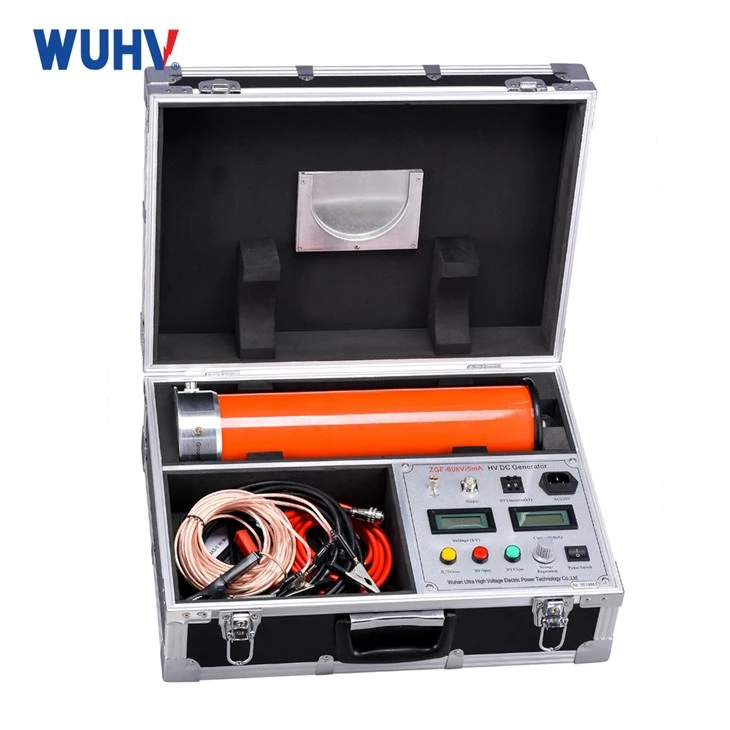
Our motor test benches are equipped with advanced sensors and measurement systems to accurately measure the phase balance of a three - phase motor.

Voltage Measurement
The first step in measuring phase balance is to measure the voltage of each phase. Our test benches are fitted with high - precision voltage sensors that can measure the voltage of each phase with great accuracy. These sensors are connected to the motor terminals, and the measured voltage values are recorded by the test bench's data acquisition system.
The test bench then calculates the average voltage of the three phases. The voltage imbalance is determined by comparing the deviation of each phase voltage from the average voltage. The formula for calculating voltage imbalance is:
[ \text{Voltage Imbalance}(%)=\frac{\text{Maximum Deviation from Average Voltage}}{\text{Average Voltage}}\times100% ]
This calculation helps in quantifying the degree of voltage imbalance in the three - phase system. If the voltage imbalance exceeds a certain threshold (usually around 2 - 3%), it indicates a problem that needs to be addressed.
Current Measurement
In addition to voltage measurement, our test benches also measure the current in each phase. Current sensors, such as current transformers or Hall - effect sensors, are used to measure the current flowing through each phase of the motor. Similar to voltage measurement, the test bench records the current values of each phase and calculates the average current.
The current imbalance is calculated using a similar formula as the voltage imbalance:
[ \text{Current Imbalance}(%)=\frac{\text{Maximum Deviation from Average Current}}{\text{Average Current}}\times100% ]
Current imbalance can be a sign of motor winding problems, such as short - circuits or open - circuits. By accurately measuring the current imbalance, our test benches can help in detecting these issues early and preventing further damage to the motor.
Phase Angle Measurement
Another important aspect of phase balance is the phase angle between the three phases. In a balanced three - phase system, the phase angle between each phase is 120 degrees. Our test benches use advanced phase - measuring techniques to determine the phase angles of the three phases.
The phase angle measurement is crucial because any deviation from the ideal 120 - degree phase angle can also indicate problems in the motor or the power supply system. For example, a phase angle difference that is significantly different from 120 degrees can cause uneven torque production in the motor, leading to vibration and reduced efficiency.
Importance of Accurate Phase Balance Measurement
Accurate phase balance measurement is essential for several reasons. Firstly, it helps in ensuring the efficient operation of the motor. A balanced three - phase motor consumes less energy and operates more smoothly, resulting in lower operating costs. Secondly, it can prevent premature motor failure. By detecting and correcting phase imbalances early, we can avoid issues such as overheating and excessive wear on the motor components.
Moreover, phase balance measurement is also important for compliance with industry standards. Many industries have specific requirements for the phase balance of three - phase motors, and accurate measurement helps in ensuring that the motors meet these standards.
Additional Testing Capabilities of Our Motor Test Benches
In addition to phase balance measurement, our motor test benches offer a wide range of other testing capabilities. For example, we offer DC Hipot Test Set which is used to test the insulation resistance of the motor windings. This test helps in detecting any insulation breakdown or leakage, which can be a major cause of motor failure.
We also provide SFRA Test Device for testing the mechanical integrity of the motor windings. This test can detect any mechanical damage or deformation in the windings, which can affect the motor's performance.
Furthermore, our Transformer Test System can be used to test the performance of transformers that are often used in conjunction with three - phase motors. This comprehensive testing system helps in ensuring the overall reliability of the power supply system.
Contact Us for Your Motor Testing Needs
If you are in the market for a reliable motor test bench to measure the phase balance of your three - phase motors, look no further. Our motor test benches are designed to provide accurate and reliable measurements, helping you to ensure the efficient and safe operation of your motors.
We have a team of experienced engineers who can provide technical support and guidance on using our test benches. Whether you are a small - scale manufacturer or a large industrial enterprise, we can offer customized solutions to meet your specific testing requirements.
Contact us today to discuss your motor testing needs and to explore how our motor test benches can benefit your business. We look forward to working with you to ensure the optimal performance of your three - phase motors.
References
- "Electric Machinery Fundamentals" by Stephen J. Chapman
- "Power System Analysis and Design" by J. Duncan Glover, Mulukutla S. Sarma, and Thomas J. Overbye
- Industry standards related to three - phase motor testing and phase balance measurement.