


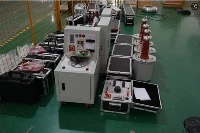
In the stable operation of the power system, cables play a crucial role. However sturdy a cable is, it is inevitable that it will encounter a "strike". Once a fault occurs, it can affect power supply at the slightest level, and may even cause safety accidents at the most severe. At this point, a useful cable fault analyzer became our "golden eye" for troubleshooting problems.
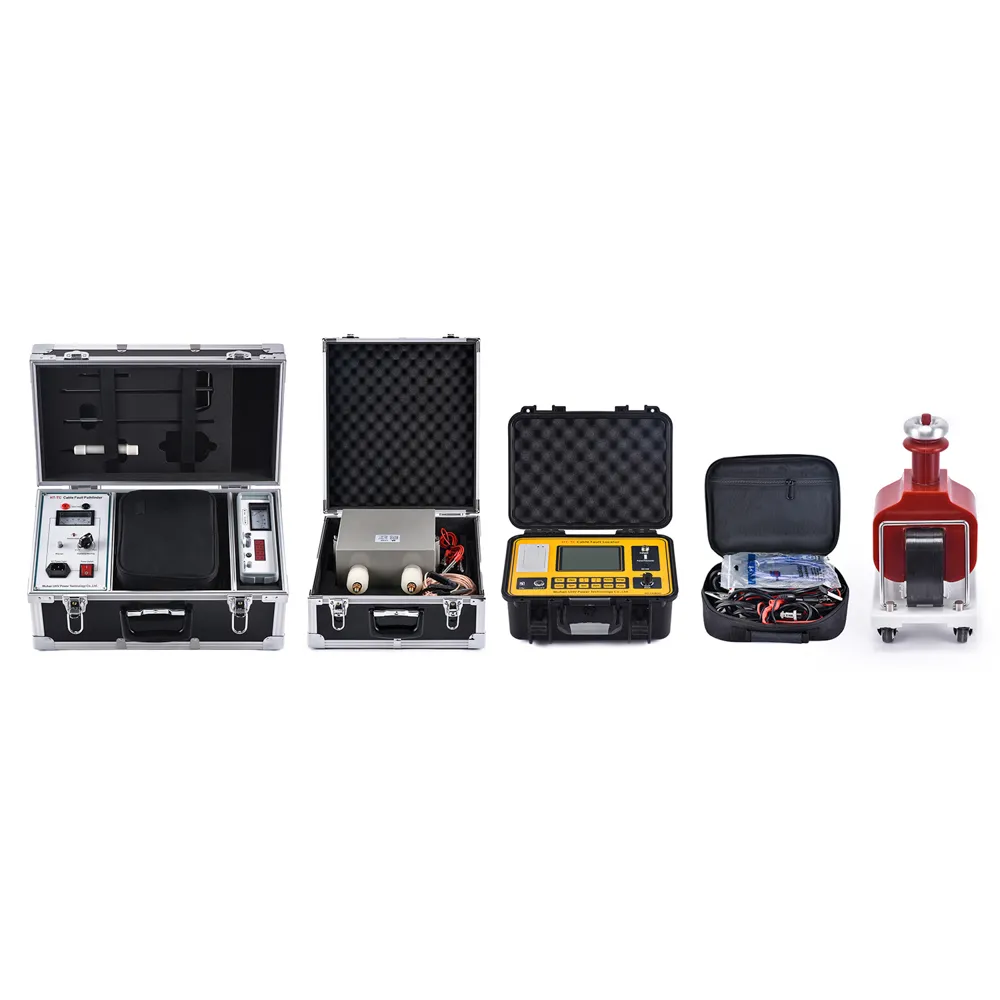
What is a cable fault analyzer?
Simply put, a cable fault analyzer is a specialized equipment designed to detect and locate power cable faults. It can accurately pinpoint the location of the fault point through a series of measurement principles, greatly reducing the repair time and providing strong support for the reliable power supply of the power system.
Factors affecting the accuracy of cable fault analysis
The type and length of cables: Cables of different materials, structures, and lengths will have different propagation characteristics of fault signals, which will affect the accuracy of measurement results.
Types of faults: Cable faults are mainly divided into various types such as grounding, short circuit, and disconnection. Different types of faults have different signal characteristics and require equipment to effectively identify them.
Environmental factors: Geographical conditions, soil moisture, electromagnetic interference, etc. on site may all have an impact on the measurement signal.
Experience of operators: Although modern equipment has a high degree of intelligence, proficient operation and accurate interpretation of measurement results are still the key to ensuring accuracy.
Clever use of tools, precise positioning
In practical applications, the cable fault analyzer developed by Wuhan UHV Power Technology Co., Ltd. has become a reliable assistant for many power maintenance personnel with its advanced technology and excellent performance. These types of instruments typically integrate multiple advanced detection technologies and are capable of dealing with different types of cable faults.
Low voltage pulse method: suitable for various types of cable faults, especially high resistance faults.
High voltage flashover method: For certain high impedance grounding faults, applying high voltage to flashover can reduce the fault impedance and facilitate measurement.
Time Domain Reflectometry (TDR): By sending pulse signals and analyzing reflected waves, the approximate location of faults can be quickly determined.
Closely related to cable testing technology
Cable fault analysis is closely related to the insulation performance, laying process, and operating environment of the cable. For example, poor quality insulation materials, improper laying methods, long-term overload operation, or natural disasters can all increase the risk of cable failure. The equipment of Wuhan UHV Power Technology Co., Ltd. can effectively assist us in gaining a deeper understanding of these potential risks.
How can we do better?
To better utilize cable fault analyzers, in addition to selecting reliable equipment, it is also necessary to:
Strengthen theoretical learning: deepen understanding of the causes and detection principles of different types of faults.
Proficient in operation: Familiar with various functions of the equipment and able to flexibly apply them according to actual situations.
Accumulate practical experience: Practice more and learn and summarize from different cases.
Conduct preventive tests: Regularly test the insulation resistance and dielectric loss of cables to prevent problems before they occur.
Through these methods, we can more efficiently and accurately locate cable faults, ensuring the stable operation of the power system.
frequently asked questions
Q: Can the cable fault analyzer detect all types of cable faults? Answer: Currently, advanced cable fault analyzers on the market, such as products from Wuhan UHV Power Technology Co., Ltd., can effectively detect and locate the vast majority of cable faults, including grounding, short circuits, wire breaks, and some high resistance faults.
Q: Do I need professional qualifications to operate a cable fault analyzer? Answer: Although there is a certain learning threshold for operating the equipment itself, personnel with certain basic knowledge of electricity can proficiently master it after professional training. Cable fault diagnosis is a technical task, but it is not unattainable.
Q: Can a single measurement determine the fault point? Answer: Usually, a single measurement can provide the precise location of the fault point. But for some complex faults or special environments, it may be necessary to combine multiple measurement methods for auxiliary judgment.
Q: Is the maintenance of cable fault analyzer complicated? Answer: Relatively speaking, the maintenance of modern cable fault detection equipment is not complicated, but it still needs to be regularly inspected and cleaned according to the manufacturer's guidance to ensure its long-term stable operation.
Q: How to choose a cable fault analyzer that suits your needs? Answer: When choosing, factors such as fault type coverage, measurement accuracy, operational convenience, brand reputation, and after-sales service can be considered. Wuhan UHV Power Technology Co., Ltd. has rich experience and mature product lines for reference in this area.