

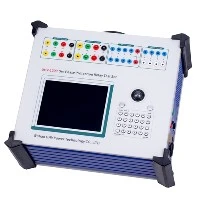
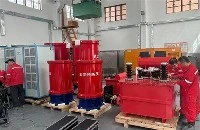


Recently, many power construction units and power supply companies have been making annual equipment procurement plans, among which the relay protection comprehensive tester is a type of high-voltage testing equipment with a high demand. This article summarizes the practical experience of the comprehensive testing instrument for relay protection in procurement selection, delivery acceptance, and post maintenance, for reference by various units.
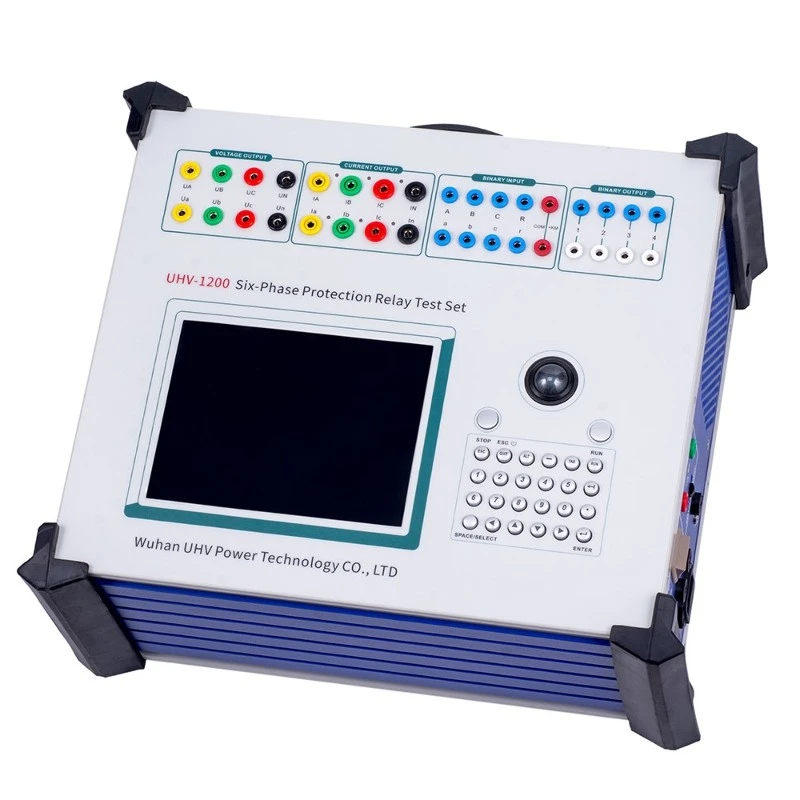
1, Several parameters that need to be confirmed for procurement selection
Before purchasing a comprehensive relay protection tester, the technical department should first clarify the actual usage needs of the unit, focusing on confirming the following parameters to avoid being unable to use or having insufficient performance when purchased.
1. Voltage level matching: Select the range of the relay protection comprehensive tester based on the highest voltage level of the equipment under the jurisdiction of this unit. The specifications required for the 10kV distribution network and 110kV substation are completely different.
2. Accuracy level requirements: Determine the required accuracy level by comparing it with relevant GB/T or DL/T standards. The higher the accuracy, the higher the price, and it is sufficient.
3. Usage scenario: If the frequency of outdoor use is high, it is recommended to choose a model with a dust-proof and waterproof shell, but it is not necessary for indoor fixed use.
2, Acceptance content of relay protection comprehensive tester upon arrival
After the equipment arrives, it should be jointly inspected by the technical specialist and the user team. Only after passing the inspection can it be stored or put into use.
1. Appearance inspection: Check whether the shell is damaged or deformed, whether the display screen is cracked, and whether the interfaces and button functions are normal.
2. Random data: Check whether the factory inspection report, certificate of conformity, operation manual, and calibration certificate are complete.
3. Power on test: Conduct a no-load power on test according to the operation manual to confirm that all displays and functions are normal.
3, Price range and budget reference
The price of the relay protection comprehensive tester varies greatly due to differences in brand, range, and accuracy. The following is a rough estimate of recent market inquiries for budget preparation reference.
1. Economic type: suitable for daily testing of 10kV distribution equipment, with functions that meet basic needs and relatively low prices.
2. Standard type: covering voltage levels from 35kV to 110kV, with data storage and communication functions, it is the most commonly purchased specification by power supply companies.
3. High precision type: used for metrological verification and precision measurement, with a high accuracy level and a price usually more than twice that of the standard type.
4, The difference and selection between oil dielectric loss volume resistivity tester and oil dielectric loss volume resistivity tester
Many units may struggle with how to choose between a relay protection comprehensive tester and an oil dielectric loss volume resistivity tester when purchasing. In fact, the two have different applicable scenarios and cannot be replaced by each other.
1. Functional differences: The relay protection comprehensive tester focuses on voltage and insulation testing, while the oil dielectric loss volume resistivity tester is used for measuring other types of electrical parameters, with different testing objects and purposes.
2. Configuration suggestion: Maintenance units for substations of 110kV and above recommend equipping both units, while 10kV distribution operation and maintenance units can choose according to actual testing items.
5, Post maintenance costs
The procurement cost is only a part of the total cost of ownership, and the expenses for later calibration, maintenance, replacement, and consumables also need to be included in the budget.
1. Annual calibration fee: Each unit sent to the metrology institute for calibration ranges from several hundred yuan to a thousand yuan, depending on the equipment type and calibration project.
2. Replacement of vulnerable parts: Measurement cables and probes are vulnerable parts that need to be replaced once every 1 to 2 years on average.
FAQ
Q1: How long is the warranty period for the relay protection comprehensive tester?
A1: Most manufacturers offer a 1 to 2-year warranty, while some brands support paid extensions up to 3 years. Suggest specifying the warranty clause in the procurement contract.
Q2: Do I need to go through bidding to purchase a comprehensive relay protection tester?
A2: State owned enterprises generally need to go through the bidding process, and the specific amount threshold is implemented according to the procurement management system of each unit.
Q3: How long is the delivery time for Wuhan ultra-high voltage relay protection comprehensive tester?
A3: Regular models usually take 7 to 15 working days to ship, while customized specifications may take 20 to 30 working days.