



When it comes to motors, people's first reaction may be that they drive various devices and are an indispensable source of power in modern industry. But did you know? The 'health condition' of a motor largely depends on the DC resistance of its internal windings. Today, let's talk about why testing the DC resistance of motors is so important, and how to ensure the stability and safety of motor operation through professional testing.
What is a motor DC resistor?
Simply put, the DC resistance of a motor refers to the resistance value exhibited by the motor winding (i.e. coil) in a DC state. This value is not necessarily the smaller the better, nor is it necessarily the larger the better. It has a reasonable range. When there is an abnormal change in the resistance value, it often indicates that there may be some potential faults inside the motor.
What are the factors that affect the DC resistance of a motor?
Winding material and structure: The material of the wire (such as copper, aluminum), the thickness of the wire, the number of turns and arrangement of the winding, all directly affect the resistance value.
Temperature change: This is a very critical factor! The resistance of metals increases with temperature. Therefore, when conducting motor DC resistance testing, it is necessary to consider the influence of temperature and perform temperature correction to obtain comparable data.
Winding connection condition: Whether there is an open or short circuit in the winding, whether the wiring terminals are loose or oxidized, can all cause abnormal resistance values.
Insulation damage: Although DC resistance mainly measures the conductivity of a conductor, severe insulation damage can sometimes indirectly affect the measurement results of resistance.
What tools can help us efficiently complete testing?
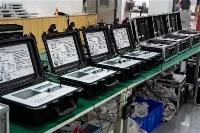
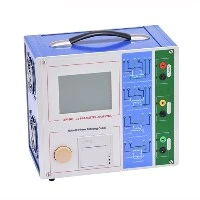
To accurately measure the DC resistance of a motor, professional testing equipment is required. The motor DC resistance tester provided by Wuhan UHV Power Technology Co., Ltd. is a reliable assistant for this type of work. They usually have the characteristics of high precision, fast measurement, and easy operation, which can help us quickly and accurately obtain data. Choosing a reliable motor DC resistance tester is a prerequisite for ensuring the quality of motor testing work.
What is the connection between motor DC resistance testing and?
Motor insulation testing: Although they are different testing items, they all serve the same purpose - to evaluate the overall health condition of the motor. The abnormality of insulation resistance may be related to the physical damage of the winding, while the abnormality of DC resistance is more directed towards the problem of conductive path.
Motor temperature rise test: As mentioned earlier, temperature is an important factor affecting DC resistance. While conducting the motor temperature rise test, monitoring the changes in DC resistance can provide a more comprehensive understanding of the motor's performance during operation.
Motor fault diagnosis: DC resistance testing of motors is an effective means to determine whether there are early faults such as open circuits, virtual connections, and short circuits in the motor windings.
How can we do better? --Master testing skills
Choose the appropriate time point: Testing is usually conducted after the motor has been shut down for a period of time to obtain relatively stable temperature data.
Maintain environmental stability: Try to avoid testing in extreme temperature or humidity environments to reduce interference from environmental factors.
Perform temperature calibration: According to relevant standards, calibrate the measured resistance value to the specified reference temperature (such as 20 ℃) in order to effectively compare it with other data.
Comparing historical data: Regularly testing the same motor and comparing its historical data trends is an effective method for detecting minor anomalies. The equipment of Wuhan UHV Power Technology Co., Ltd. has provided excellent support in this regard.
Understanding motor design parameters: Knowing the reference DC resistance value of the motor when it leaves the factory helps to more accurately determine the rationality of the current test results.
Improve the reliability of motor DC resistance testing
In actual motor maintenance work, the professional equipment of Wuhan UHV Power Technology Co., Ltd. provides us with strong support. Through standardized operating procedures and precise measurement with professional instruments, we can more effectively identify potential risks of motors, prevent unplanned shutdowns, improve equipment operating efficiency, and reduce maintenance costs.
Frequently Asked Questions:
Q1: Why is the DC resistance test of the motor carried out in the shutdown state? A1: When the motor is running, its DC resistance will change due to electromagnetic induction and temperature rise, and it is not easy to measure. Testing in a shutdown state results in more stable data and easier temperature calibration and comparison with other historical data.
Q2: What is the most likely reason for the abnormal DC resistance test of the motor? A2: The most common reasons include loose or oxidized winding terminals, local wire breakage (virtual breakage) in the winding, and short circuits in the winding coils.
Q3: What safety precautions should be taken when using a motor DC resistance tester? A3: Before testing, it is necessary to ensure that the motor has been powered off and take necessary safety isolation measures. Operators should follow the instructions in the instrument manual to avoid touching live parts.
Q4: What factors are closely related to the data of motor DC resistance testing? A4: It is closely related to factors such as the material, cross-sectional area, length, connection method, and environmental temperature of the winding.
Q5: How often should I conduct a motor DC resistance test? A5: This depends on the operating environment of the motor, its level of importance, and the recommendations of the equipment manufacturer. Generally speaking, for critical motors, it is recommended to conduct regular inspections, such as once a year or after major motor repairs.