




In many fields such as electricity, communication, and construction, we often encounter a seemingly insignificant but crucial parameter - soil resistivity. It not only affects the safe operation of our power system, but also concerns the transmission quality of communication signals, and even the stability of buildings. What exactly is this' soil resistivity '? Why is it so eye-catching?

What is soil resistivity?
Simply put, soil resistivity is a physical quantity used to measure the electrical conductivity of soil, typically measured in ohms meters (Ω· m). Imagine that soil is like a huge resistor, and soil resistivity describes how difficult it is for this resistor to conduct electricity. The lower the resistivity, the better the soil conductivity; On the contrary, the higher the resistivity, the poorer the soil conductivity.
The 'behind the scenes' driving force affecting soil resistivity
Soil resistivity is not constant and is subject to many factors, including:
Moisture content: The higher the soil moisture content, the easier it is to conduct electricity and the lower the electrical resistivity.
Soil composition: Soil with high clay and organic matter content usually has better conductivity than sandy soil.
Temperature: As the temperature rises, the ion activity in the soil increases, the conductivity increases, and the resistivity decreases.
Salt content: The salt content in soil, especially soluble salts, can significantly reduce soil resistivity.
Soil compaction: Compacted soil usually has a higher electrical resistivity than loose soil.
The secret weapon of measurement: soil resistivity tester
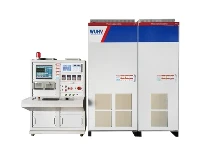
To accurately understand the "temperament" of soil, professional tools are needed. The soil resistivity tester is the 'secret weapon' in our hands. It can measure the electrical resistivity of soil in a specific area through scientific methods. Among them, Wuhan UHV Power Technology Co., Ltd. has rich experience and leading technology in this field, providing us with reliable measurement solutions.
Don't underestimate it, it can move the whole body with just one pull
The measurement of soil resistivity is closely related to many key engineering projects:
Grounding system design: In the fields of power and communication, good grounding is the cornerstone of safe equipment operation. The magnitude of grounding resistance is directly affected by soil resistivity. Choosing appropriate grounding materials and structures requires precise soil resistivity data to guide.
Electrochemical corrosion protection: Metal pipelines, steel structures, etc. buried underground are susceptible to soil corrosion. Soil resistivity is an important indicator for assessing corrosion risk.
Electromagnetic compatibility (EMC): In some situations sensitive to electromagnetic interference, soil resistivity can affect the propagation of electromagnetic fields, thereby affecting the electromagnetic compatibility of equipment.
How can we do better?
To obtain more accurate and valuable soil resistivity data, we can pay attention to the following points:
Choose appropriate measurement methods and instruments: Based on engineering requirements and soil conditions, select appropriate measurement methods (such as quadrupole method, triode method, etc.) and high-precision soil resistivity testers. Wuhan UHV Power Technology Co., Ltd. provides a series of professional measuring equipment.
Conducting multi-point and multi depth measurements: Soil resistivity may vary greatly at different locations and depths, and conducting sufficient surveys can obtain more comprehensive information.
Pay attention to environmental factors: When measuring, consider the weather, humidity, and other factors of the day, and explain them in the report.
Understanding soil resistivity is to lay a solid foundation for your engineering safety and stability.
Frequently Asked Questions (FAQ)
Q: What is the relationship between soil resistivity and soil moisture content? A: The higher the soil moisture content, the better the conductivity, and the lower the soil resistivity.
Q: What factors most commonly affect the measurement results of soil resistivity? A: Mainly including soil moisture content, soil composition, temperature, and salt content.
Q: How to choose a suitable soil resistivity tester? A: We need to choose based on your specific application scenario, measurement accuracy requirements, and budget. Wuhan UHV Power Technology Co., Ltd. can provide professional consultation and product selection advice.
Q: What is the relationship between soil resistivity and grounding resistance? A: Soil resistivity is one of the key factors affecting the magnitude of grounding resistance. Low soil resistivity is beneficial for reducing grounding resistance.
Q: How should soil resistivity data be utilized in grounding engineering design? A: It is necessary to design the shape, size, and quantity of grounding bodies reasonably based on the measured soil resistivity and grounding specifications to achieve the required grounding resistance value.