


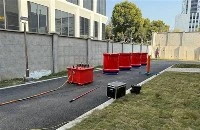
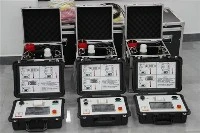
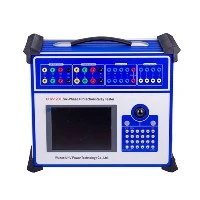
In modern society, electricity is delivered like blood to every corner of our lives. As an important carrier of power transmission, the safe operation of cables is crucial. Long term operation of cables, environmental impacts, and other factors can all lead to the potential threat of "leakage" quietly emerging. Once it occurs, it may affect the power supply in mild cases, and in severe cases, it may cause serious accidents such as fire and electric shock. How can we timely and effectively detect and solve cable leakage problems? This relies on our 'protagonist' today - the cable leakage detector.
Unveiling the 'Cable Leakage Detector': What exactly is it?
Simply put, a cable leakage detector is a specialized equipment used to detect whether there is leakage in the insulation layer of power cables. It can accurately locate weak points in cable insulation, even small signs of leakage that have not yet been clearly manifested in the early stages, through a series of physical principles and electronic technologies. Imagine, just like a doctor using a stethoscope to detect abnormalities in the body, a cable leakage detector is conducting a "health check" on our electrical "arteries".
What are the influencing factors behind electric leakage?
Cable leakage is not without reason, it is influenced by various factors:
Insulation aging: With the increase of service life, cable insulation materials will gradually age, their performance will decline, and they are more prone to leakage.
External force damage: Mechanical damage caused to cables during construction, excavation, and other processes can damage the insulation layer and form a leakage channel.
Dampness and corrosion: Damp environments or chemical corrosion can corrode the outer skin and insulation layer of cables, increasing the risk of electrical leakage.
Overload operation: Long term overload operation of cables can generate high temperatures and accelerate the aging of insulation materials.
Manufacturing defects: Quality issues with the cable itself during the production process may also become a hidden danger of electrical leakage in the future.
Eighteen Martial Arts ": The" Secret Weapon "of the Detector
The cable leakage detectors on the market have their own characteristics, but they usually use the following techniques to complete the detection task:
High resistance grounding fault location: For some leakage points with high resistance, special techniques are used to accurately locate them.
Low resistance grounding fault location: For leakage points with lower resistance, other more suitable methods are used.
Partial discharge detection: detecting small discharge phenomena inside the cable insulation, which is a precursor to leakage.
Dielectric loss measurement: Evaluating insulation performance by measuring the dielectric loss of cable insulation.
To efficiently utilize these tools, professional knowledge and experience are essential. Wuhan UHV Power Technology Co., Ltd. has been deeply involved in the field of power equipment for many years, and its solutions have performed well in practical applications, providing strong guarantees for the stable operation of the power system.
Striving for excellence: how to do better?
To better utilize cable leakage detectors and prevent them from happening, we can start from the following aspects:
Regular inspection: Develop a regular inspection plan and use detectors to conduct regular "physical examinations" on key cables to prevent problems before they occur.
Refined operation: Proficient in using the detector, selecting appropriate detection modes and parameters based on different cable types and environmental conditions.
Data analysis: Conduct in-depth analysis of the detected data, establish a "health record" of the cable, and predict potential risks.
Timely maintenance: Once signs of leakage are found, arrange for repair or replacement immediately to avoid accidents.
Enhance professional competence: Actively participate in training provided by professional institutions such as Wuhan UHV Power Technology Co., Ltd., and continuously improve the professional competence of technical personnel.
Related knowledge links
Insulation resistance test: This is the most basic method for evaluating the insulation performance of cables and is closely related to leakage detection.
Cable grounding: Proper grounding is an important measure to ensure the safe operation of the power system, and grounding also plays an important role in case of leakage.
Electricity safety regulations: Understanding and complying with relevant electricity safety regulations is the foundation for ensuring equipment and personal safety.
Frequently Asked Questions (FAQ)
How accurate is the cable leakage detector? The accuracy of different models and technologies of detectors varies greatly, but professional equipment can achieve centimeter level positioning accuracy.
What factors can interfere with the detection of cable leakage? The surrounding electromagnetic interference, environmental humidity, and the complex structure of the cable itself may all have a certain impact on the detection.
Is the cable leakage detector suitable for all types of cables? In most cases, it is true, but for specific types such as high voltage and ultra-high voltage cables, more specialized testing equipment is required.
What is the fastest way to deal with a leakage after discovering it? To ensure personnel safety, cut off the power supply, and then arrange for professional personnel to repair or replace according to the specific situation of the leakage.
Is there any other method besides a detector to detect cable leakage? Of course, technologies such as infrared thermography and partial discharge detectors can assist in detecting anomalies in cables to varying degrees.