


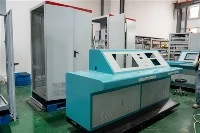
With the continuous development of technology in the power industry, the performance testing and quality control of power equipment have put forward higher requirements for testing accuracy. As an important place for the research and development, production inspection, performance evaluation, and quality verification of electrical equipment, laboratories require the use of professional testing equipment to complete various electrical parameter measurements and performance tests. Whether the selection of testing equipment is reasonable not only affects the accuracy of the testing results, but also relates to the laboratory's work efficiency, experimental safety, and subsequent data management.
For power equipment manufacturers, power testing institutions, research institutes, and third-party laboratories, how to choose suitable equipment based on actual testing needs is a key consideration in laboratory construction and daily testing work.
1, Clarify the testing requirements of the laboratory
Before selecting testing equipment, it is necessary to first clarify which testing tasks the laboratory mainly undertakes. There are significant differences in the work content of different laboratories, and the required equipment types and technical parameters are also different.
For example, transformer manufacturing companies may need to conduct tests on transformer ratio, winding DC resistance, insulation resistance, dielectric loss, and transformer oil performance; The high-voltage electrical laboratory may need to conduct AC withstand voltage, DC withstand voltage, partial discharge, and lightning impulse tests; Motor testing laboratories usually focus more on motor winding resistance, insulation performance, withstand voltage performance, and operating parameters.
Before determining the equipment, a procurement plan should be developed based on the test object, test items, test voltage, current range, and relevant testing standards. Avoid selecting based solely on device name or price, while ignoring actual testing needs.
2, Pay attention to testing accuracy and measurement range
Testing accuracy is a key factor to consider when selecting laboratory equipment. Compared to regular on-site testing, laboratory testing usually places more emphasis on the accuracy, repeatability, and stability of measurement results.
When purchasing, it is important to focus on understanding the measurement accuracy, resolution, range, error range, and long-term operational stability of the equipment. At the same time, it is necessary to confirm whether the equipment can cover the actual parameter range of the tested product.
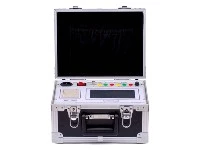
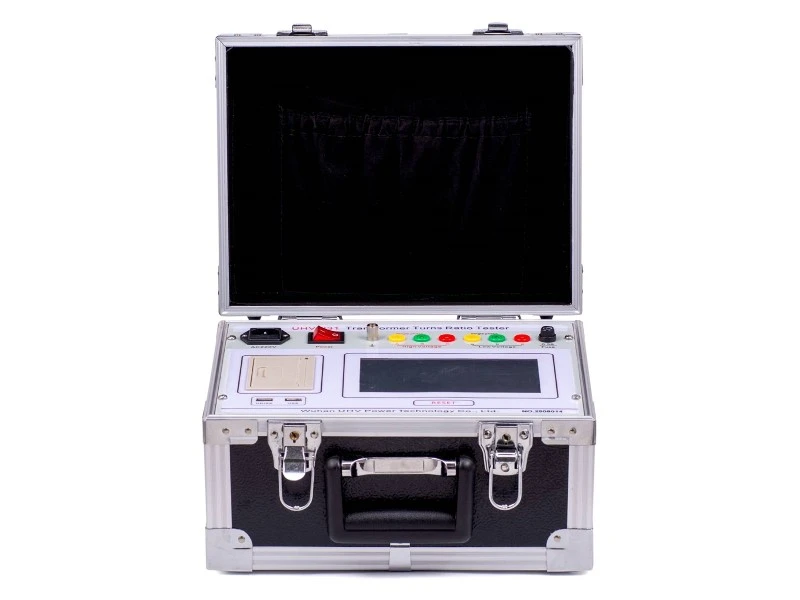
For example, when selecting a transformer ratio tester, attention should be paid to the measurement accuracy, range, three-phase measurement capability, and applicability of different connection groups. When choosing a dielectric loss tester, it is important to focus on understanding the measurement capabilities of parameters such as dielectric loss factor and capacitance, as well as the stability of the equipment under different test conditions.
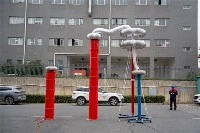
For laboratories that require high-voltage testing, special attention should be paid to the rated output voltage, output capacity, voltage regulation range, and protection function of the equipment to ensure that it meets the testing requirements of the tested equipment.
3, Select equipment that meets relevant testing standards
Laboratory testing usually needs to be conducted in accordance with national standards, industry standards, or international standards such as IEC. Different standards may have different requirements for test methods, test conditions, measurement accuracy, and result determination.
Therefore, when selecting testing equipment, it is necessary to understand the relevant product standards and testing specifications in advance, and confirm whether the equipment supports the required testing methods.
For example, transformers, cables, switchgear, motors, and transformers all have their own corresponding testing requirements. For the testing of export-oriented products, it is also necessary to consider the applicability of international standards such as IEC.
If the equipment cannot meet the current laboratory standards, even if it has many functions, it may not be directly used for formal testing work. Confirming the applicable standards, technical parameters, and testing capabilities of the equipment with the supplier before procurement can reduce problems during subsequent use.
4, Emphasize the functionality and automation level of equipment
With the increasing number of laboratory testing tasks, testing efficiency and operational convenience have become important considerations for equipment procurement.
At present, many power testing equipment already have functions such as automatic testing, automatic calculation, data storage, and report generation. Compared with traditional manual testing methods, automated equipment can reduce manual operation steps, lower human errors, and improve testing efficiency.
For example, the automatic transformer ratio tester can complete three-phase ratio measurement, group judgment, and result display; The transformer comprehensive tester can carry out multiple tests such as volt ampere characteristics, transformation ratio, polarity, and winding resistance; The series resonance test device can find the resonance point through automatic tuning function, reducing manual adjustment time.
For laboratories with a large number of testing items and samples, it is recommended to prioritize equipment with clear operating procedures, high degree of automation, and convenient data processing.
5, Consider the security protection function of the device
Laboratory testing involves different levels of voltage and current, especially during high-voltage testing. The safety protection performance of equipment is directly related to the safety of operators and the testing environment.
When purchasing, it is necessary to check whether the equipment has complete protection functions, such as overvoltage protection, overcurrent protection, zero start protection, emergency stop, grounding protection, and abnormal state alarm.
For AC voltage withstand test equipment, DC high-voltage generators, and series resonant devices, attention should also be paid to the insulation structure, discharge measures, interlocking design, and safety protection of the equipment in high-voltage areas.
In addition, the equipment should be equipped with clear operating instructions and safety warning signs. Laboratories should also develop corresponding operating procedures based on the characteristics of the equipment to ensure that the testing process meets safety requirements.
6, Focus on data management and software functionality
Laboratory testing not only requires obtaining accurate test results, but also requires storing, analyzing, and tracing test data.
Therefore, the software functionality of the device is also an indispensable part of the selection process. It is recommended to pay attention to whether the device supports functions such as automatic saving of test data, historical record query, report export, computer connection, and data format conversion.
For laboratories that require long-term product testing and quality analysis, a comprehensive data management function can help staff establish testing records, compare testing results of different batches of products, and provide a basis for equipment quality assessment.
If the laboratory needs to connect with the existing management system, the software interface and data transmission method of the equipment should be confirmed in advance to avoid system compatibility issues after procurement.
7, Consider equipment calibration and after-sales service
Laboratory test results typically require traceability, therefore, equipment calibration and maintenance are equally important.
During the procurement process, it is important to understand whether the supplier can provide factory inspection reports, calibration support, technical documentation, and operational training. For long-term use of precision testing equipment, attention should also be paid to calibration cycles, maintenance methods, supply of vulnerable parts, and response time for fault repairs.
If the equipment experiences measurement abnormalities or operational failures, timely technical support can reduce laboratory downtime. Especially for laboratories that undertake daily quality inspection and third-party testing tasks, stable after-sales service is an important condition for ensuring the continuous development of testing work.
8, Select equipment based on the future development of the laboratory
The procurement of laboratory equipment should not only meet current testing needs, but also take into account future business development.
As the number of testing objects and test items continues to increase, the laboratory may need to expand the testing voltage range, add new testing items, or improve automation and data management levels.
Therefore, within budget constraints, priority can be given to devices with good functional scalability, reasonable testing scope, and convenient software upgrades. But there is no need to blindly pursue high-end models with too many functions. A comprehensive judgment should be made based on actual usage frequency, testing tasks, and investment budget.
Wuhan UHV: Providing Professional Testing Equipment Solutions for Power Laboratories
For power equipment manufacturing enterprises, power engineering testing institutions, and professional laboratories, selecting suitable testing equipment requires comprehensive consideration of multiple aspects such as testing accuracy, technical parameters, testing standards, operational efficiency, and after-sales service.
Wuhan UHV Power Technology Co., Ltd. focuses on the research and development, production, and sales of power testing equipment. Its products include high-voltage testing equipment, transformer testing equipment, transformer testing equipment, cable testing equipment, and other power testing instruments, which can be applied in the fields of power equipment manufacturing, laboratory testing, power engineering construction, and equipment maintenance.
In the actual equipment selection process, Wuhan UHV can provide corresponding equipment configuration suggestions based on the user's testing objects, test items, and technical requirements, helping users choose a testing plan suitable for their own testing work.
The procurement of laboratory testing equipment is not simply about comparing prices and parameters, but rather about ensuring that the equipment can meet testing requirements from a long-term usage perspective and provide stable support for subsequent testing work. Only by combining actual needs, equipment performance, and service guarantees can laboratory testing efficiency be improved, providing reliable basis for quality control and safe operation of power equipment.