

In the detection and maintenance of power systems, testing frequency is one of the important parameters to consider when selecting power testing equipment. The working characteristics and testing requirements of different electrical equipment vary, and the requirements for testing signal frequency, measurement range, and testing accuracy are also different. If the frequency range of the testing equipment does not match the actual application, it may affect the measurement results and even fail to complete the expected testing items.
Therefore, when purchasing power testing equipment, in addition to paying attention to voltage, current, and measurement accuracy, it is also necessary to reasonably determine the required frequency range based on the type of equipment being tested, testing standards, and specific application scenarios.
1, Clarify actual testing requirements
Before selecting testing equipment, it is necessary to first understand the testing object and detection purpose of the equipment. For example, the requirements for testing frequency vary depending on the testing items involved in transformers, motors, cables, transformers, and high-voltage switchgear.
For the power frequency withstand voltage test, it is necessary to pay attention to whether the equipment supports the specified AC test frequency; For the frequency conversion series resonance test, it is necessary to determine the appropriate output frequency range based on the capacitance of the test object and the test voltage; For dielectric loss testing, it is also necessary to pay attention to whether the instrument can provide different frequency signals that meet the testing requirements.
Clarifying the testing items can help avoid purchasing equipment with inappropriate frequency ranges or functional configurations that do not meet actual needs.
2, Select frequency range based on the type of testing equipment
Different types of power testing equipment have different frequency characteristics, and procurement should be judged based on specific purposes.
1. Variable frequency series resonance test device
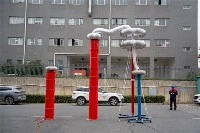
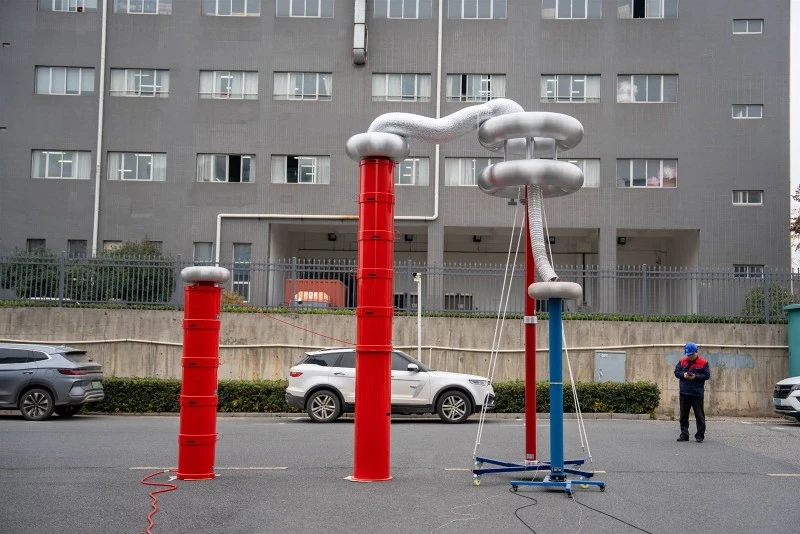
The frequency conversion series resonance test device is mainly used for AC withstand voltage testing of GIS, transformers, power cables, busbars, and other high-voltage electrical equipment. The device adjusts the output frequency to form series resonance between the reactor and the tested capacitor, thereby obtaining the required high test voltage at a lower power supply capacity.
When making a selection, special consideration should be given to the frequency modulation range, rated output voltage, test capacity, and degree of matching with the capacitance of the tested object of the device. The requirements for resonance frequency may vary for test samples with different voltage levels and capacitance.
2. Dielectric loss tester
The dielectric loss tester is mainly used to measure the dielectric loss factor and capacitance of transformers, cables, capacitors, bushings, and other insulation materials.
When choosing, it is important to pay attention to the testing frequency, measurement accuracy, and anti-interference ability supported by the instrument. For scenarios that require analysis of insulation characteristics at different frequencies, equipment with corresponding frequency testing functions should be selected.
3. Transformer and Transformer Testing Equipment
Transformer ratio tester, CT/PT comprehensive tester and other equipment are mainly used to detect the electrical parameters of transformers and mutual inductors. The testing principles and signal frequencies of different instruments are not exactly the same, and the frequency range cannot be simply used as a unified selection criterion.
When purchasing, it is important to focus on the testing items, measurement range, accuracy, and compliance with relevant testing requirements supported by the equipment.
4. Partial discharge detection equipment
Partial discharge detection equipment is used to detect partial discharge phenomena in the insulation system of power equipment. There may be significant differences in the frequency range involved in different detection methods, such as traditional electrical methods, high-frequency current methods, and ultra-high frequency methods.
Users should select detection equipment for the corresponding frequency band based on the type of device being tested, the detection environment, and the detection method used, and pay attention to the frequency response and anti-interference performance of the sensor.
3, Pay attention to frequency range and measurement accuracy
The wider the frequency range, the better. What really matters is whether the equipment can maintain stable measurement performance within the actual frequency range used.
Purchasing personnel should understand the measurement accuracy, output stability, and repeatability of the instrument at different frequencies. For users who require long-term equipment status monitoring, attention should also be paid to the calibration method of the instrument, the storage of test data, and the export function of reports.
If the device needs to be used in different environments, the impact of factors such as temperature and electromagnetic interference on the test results should also be considered.
4, Consider on-site usage conditions
Laboratory testing and on-site testing have different requirements for equipment. Laboratories usually focus more on testing accuracy, frequency regulation capabilities, and data analysis functions, while substations, power plants, and power maintenance sites place greater emphasis on equipment portability, operational convenience, and anti-interference capabilities.
For detection tasks that require frequent movement, devices with moderate size, convenient wiring, and clear operating interfaces can be prioritized. At the same time, it should be confirmed whether the power supply conditions, working environment, and safety protection functions of the equipment meet the on-site requirements.
5, Understand equipment configuration and after-sales service
The testing frequency is only one indicator of equipment selection, and a comprehensive evaluation of the overall configuration is also required. Before procurement, the rated parameters, testing range, supporting accessories, software functions, and whether they support subsequent functional expansion of the equipment should be confirmed.
For power detection equipment, technical support and after-sales service are equally important. Whether suppliers can provide operational training, technical guidance, equipment calibration, maintenance services, and spare parts will all affect the efficiency of equipment use in the later stage.
6, Select power testing equipment suitable for application requirements
The core of selecting testing equipment based on frequency range is to combine equipment parameters with actual testing tasks. Whether it is AC withstand voltage test, variable frequency series resonance test, dielectric loss measurement, or partial discharge detection, the testing method and technical requirements should be clarified first, and then the appropriate frequency range and equipment configuration should be determined.
Wuhan UHV Power Technology Co., Ltd. has long been dedicated to the research and development, production, and sales of power testing equipment. Our products cover high-voltage testing equipment, transformer testing equipment, transformer testing equipment, and insulation testing equipment. We can provide various testing solutions for power equipment manufacturing enterprises, substations, power engineering companies, and testing institutions.
In the process of equipment procurement, selecting the appropriate frequency range, measurement accuracy, and functional configuration based on practical applications is necessary to better meet the needs of daily testing, equipment maintenance, and safe operation of the power system for testing equipment.