

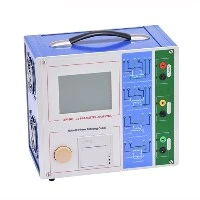

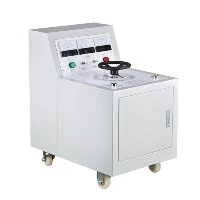
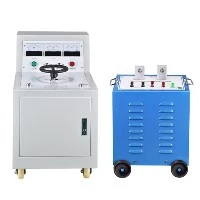
The Wide Voltage Range Battery Discharge Tester under Wuhan UHV can help many power workers conduct various power tests more conveniently.

Core Principle: After the test, the battery is in a discharged state and must be recharged immediately to recover. Never let the battery remain in a low state of charge for an extended period.
Here are the detailed steps and precautions:
I. Steps to Execute Immediately After the Test
1.Disconnect (Safety First):
First, stop the operation of the discharge tester.
First, disconnect the tester's discharge cables (usually with high-current clamps) from the battery, and then disconnect the voltage sensing leads. This sequence helps avoid sparks when disconnecting.
Completely remove the tester from the battery system.
2.Let the Battery Rest and Cool (If Needed):
If the discharge current was high or the test duration was long, the battery and terminals may be hot. Let the battery rest for 15-30 minutes to cool down to near ambient temperature before charging. This helps extend battery life.
II. The Most Important Step: Timely and Correct Charging
1.Connect the Charger Immediately:
After the battery has cooled, you must immediately connect a suitable battery charger to begin recharging.
Avoid letting the discharged battery sit idle, especially lead-acid batteries. Failure to recharge promptly after a deep discharge can lead to plate sulfation, significantly reducing battery life and potentially causing irreversible capacity loss.
2.Use the Correct Charging Mode and Parameters:
Recommended to use "Equalization" mode: A post-test battery is best charged using an "Equalizing charge." The equalization voltage is higher than the float voltage and is more effective at fully charging the battery. It also helps reverse minor sulfation and restore capacity.
Follow the battery manufacturer's charging specifications: Strictly adhere to the equalization voltage and current specified in the battery manual. Typically, a charging current of 0.1C is recommended (e.g., 10A for a 100Ah battery). Excessive charging current can damage the battery.
Charge fully: The charging process should continue until the charging current decreases and remains stable for at least 2-3 hours, indicating the battery is essentially full. Smart chargers will automatically complete this process and switch to float mode.