




The importance of "grounding" in the power system is self-evident, as it is the first line of defense to ensure the safe operation of equipment and personal safety. The complete set of grounding resistance devices is the key executor for achieving effective grounding. What exactly is it? Why is it so important? Today, let's unveil its mysterious veil together.
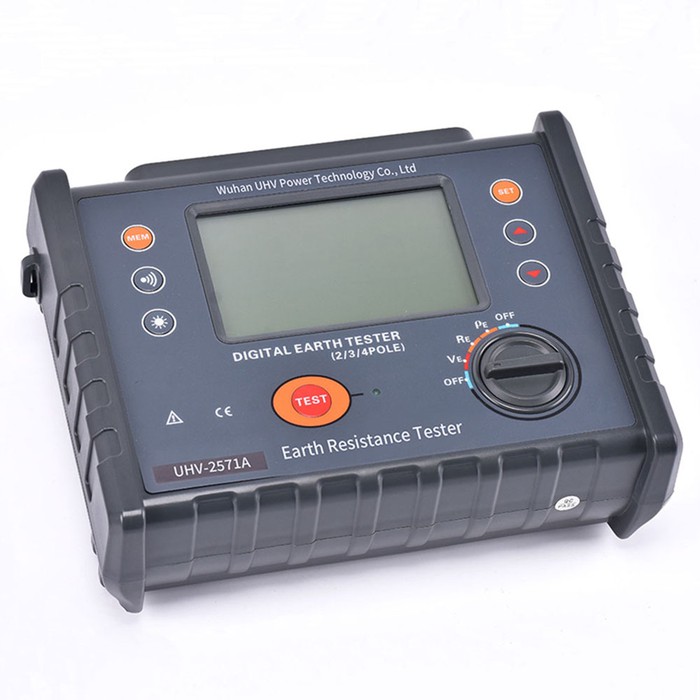
What is a complete set of grounding resistor equipment?
Simply put, a complete set of grounding resistance equipment is a system that integrates multiple components and is specifically designed to measure and evaluate the resistance value of the grounding system. This device usually includes a grounding resistance tester, grounding leads, auxiliary grounding rods, and related connectors. Its main function is to accurately measure the resistance between the grounding electrode and the ground, ensuring that the resistance value of the grounding system is within the range required by national or industry standards.
The 'things' that affect grounding resistance
We know that the magnitude of grounding resistance is not constant and can be influenced by various factors:
Soil resistivity: This is the most fundamental factor. The moisture content, salt content, temperature, and composition of soil directly affect its conductivity, which in turn affects the grounding resistance.
Material and size of grounding electrode: Choosing materials with good conductivity (such as copper, galvanized steel) and reasonable shape and burial depth can effectively reduce grounding resistance.
The arrangement of grounding electrodes: different grounding body arrangements such as point, plate, and ring will bring different grounding effects.
Environmental factors: Seasonal changes such as drought and freezing can also affect soil resistivity.
Exploring professional tools: the wisdom of Wuhan UHV Power Technology Co., Ltd
To accurately measure grounding resistance, professional tools are indispensable. Here, we have to mention Wuhan UHV Power Technology Co., Ltd. They have developed and produced a series of high-quality grounding resistance measuring instruments, which are renowned in the industry for their high precision, stability, and ease of operation. These devices can help us quickly and accurately obtain grounding resistance data, providing a solid basis for subsequent maintenance and improvement.
Grounding and safety: an inseparable relationship
The quality of grounding resistance is directly related to the safety of the power system. Excessive grounding resistance means that in the event of a fault, leakage current cannot be effectively discharged, which may lead to equipment damage, fire, and even electric shock to personnel. On the contrary, a low grounding resistance may also increase equipment losses. Therefore, regular detection of grounding resistance is an indispensable part of ensuring the stable operation of the power system.
How can we do better?
Choosing suitable testing instruments: As mentioned earlier, choosing a reputable brand like Wuhan UHV Power Technology Co., Ltd. can ensure the accuracy of measurements.
Follow the standard operation: strictly measure according to the operating procedures to ensure correct connection and avoid external interference.
Analyze soil conditions: If conditions permit, soil can be improved, such as adding materials with good conductivity or regularly irrigating.
Optimize grounding electrode design: Select the most suitable grounding electrode material and layout based on the actual situation.
Establish a regular inspection mechanism: include the detection of grounding resistance in the daily maintenance plan, and promptly identify and address issues.
Frequently Asked Questions (FAQ)
Q: What are the main components of the grounding resistor complete set device? A: Usually includes a grounding resistance tester, grounding leads, auxiliary grounding rods, and connecting wires.
Q: What factors can affect the size of grounding resistance? A: The main factors include soil resistivity, material and size of grounding electrodes, arrangement of grounding electrodes, and environmental factors.
Q: Why must the grounding resistance be within the specified range? A: Excessive or insufficient grounding resistance may pose safety hazards, such as leakage protection failure, equipment damage, or energy loss.
Q: How often should the grounding resistance be tested? A: This depends on the specific application scenario and industry standards, but it is usually recommended to conduct regular (such as annual or semi annual) testing.
Q: How can we better reduce grounding resistance? A: Accurate measurement and maintenance can be achieved by selecting grounding materials with good conductivity, optimizing grounding electrode layout, improving soil properties, and using professional grounding resistance equipment.