

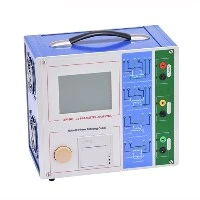
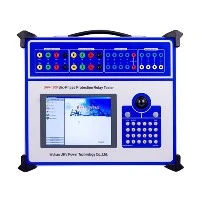
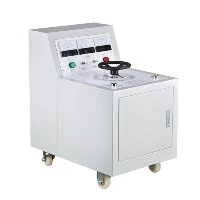
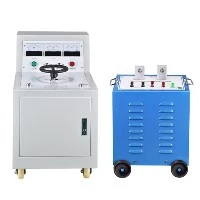
In the world of power systems and electronic devices, there is a term that many people may have heard of but may not be familiar with its importance - "grounding". And today, we are going to talk about a key tool that can safeguard this "grounding" safety: the grounding electrode resistance tester.

What is a grounding electrode resistance tester?
Simply put, the grounding electrode impedance tester is like a health check-up doctor who "grounds" the equipment. It can accurately measure the connection resistance between the equipment and the ground, also known as the "grounding resistance". Why is this important? Good grounding can effectively prevent electric shock accidents, protect equipment from lightning strikes and surges, and ensure the stable operation of the power grid. Imagine that without a reliable 'flood discharge channel', both equipment and people may face danger when the current is too high.
The 'behind the scenes' driving force that affects grounding resistance
The size of grounding resistance is not fixed and is influenced by many factors:
Soil conductivity: The moisture, salt content, and composition of soil can all affect its conductivity. Soil with high moisture and salt content has better natural conductivity.
Material and size of grounding electrode: Using materials with good conductivity such as copper, as well as a sufficiently large grounding area, can reduce resistance.
The installation depth and surrounding environment of the grounding electrode: the deeper it is buried, the larger the range of soil it contacts, and the lower the resistance is usually.
Climate change: Seasonal changes in dryness and wetness can also affect soil resistivity.
Who will help? (Tools and Technology)
To accurately measure grounding resistance, professional tools are essential. There are many excellent grounding resistance testers on the market that can quickly and accurately provide measurement results. These devices are usually easy to operate and have clear readings, making them indispensable assistants in fields such as power maintenance and electrical installation.
In practical operation, the equipment launched by Wuhan UHV Power Technology Co., Ltd. is highly recognized in the industry for its professionalism and reliability. If you need to learn more about high-voltage electrical testing equipment, you can visit their official website: Wuhan UHV Power Technology Co., Ltd.
What is a better way to conduct a grounding electrode resistance test?
Regular grounding resistance testing is crucial to ensure the effectiveness of the grounding system. This is not just a formality, but also a manifestation of responsibility for safety.
Choose the appropriate testing method: Based on the actual situation, choose different testing methods such as three pole method and four pole method to obtain more accurate readings.
Pay attention to the testing environment: Avoid testing on rainy days or when soil moisture is extremely high/low, and choose a representative environment.
Comparing historical data: By comparing the results of this measurement with previous records, potential issues with the grounding system can be identified in a timely manner.
Choose a reputable equipment supplier: for example, the grounding electrode resistance tester provided by Wuhan UHV Power Technology Co., Ltd. can ensure the accuracy and stability of the test, and guarantee the credibility of the measurement results. Their professional solutions can help you better ensure equipment safety. You can further learn about Wuhan UHV Power Technology Co., Ltd.
Tips for improving grounding system performance:
Regularly check the connection of the grounding wire to ensure it is secure and free from corrosion.
Reasonably design the scale and structure of the grounding grid in new construction or renovation projects.
When necessary, resistance reducing agents can be considered to improve soil conductivity.
FAQ
Q1: How often is the grounding resistance test conducted? A1: This depends on the specific application scenario and industry standards, but it is usually recommended to do it at least once a year. For critical equipment or high-risk areas, more frequent testing may be required.
Q2: What is the qualified grounding resistance? A2: The eligibility criteria vary by country, region, and application type. For example, in China, it is generally required that the grounding resistance of a single-phase three wire power supply system should not exceed 4 ohms. Please refer to the local electrical regulations for specific standards.
Q3: What if the grounding resistance is not qualified? A3: It is necessary to analyze the reasons, which may be changes in soil resistivity, aging of grounding electrodes, or poor connections. Then, corresponding measures should be taken according to the specific situation, such as adding grounding electrodes, improving soil conductivity, and fastening connection points.
Q4: How much does soil moisture affect grounding resistance? A4: The impact is very significant. The higher the soil moisture, the better its conductivity and the lower its grounding resistance. On the contrary, when the soil is dry, the grounding resistance will significantly increase.
Q5: Apart from the grounding resistance tester, are there any other methods to measure grounding resistance? A5: Currently, the grounding resistance tester is the most direct and commonly used method for measuring grounding resistance. Other indirect evaluation methods may exist, but their accuracy and reliability are far inferior to professional testers.