

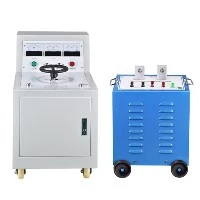


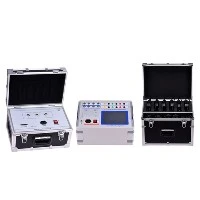
In the operation and maintenance of the power system, high-voltage switches are crucial equipment, like the "main gate" in the circuit, directly related to the safety and stability of the power grid. And the high-voltage switch tester is a powerful assistant to ensure the reliable operation of these "main gates". What is a high voltage switch tester? How does it work?

Understanding High Voltage Switch Testers: The 'Health Examiner' of Power Systems
Simply put, a high-voltage switch tester is a specialized instrument used to test the electrical and mechanical performance of high-voltage switch equipment, such as circuit breakers, isolating switches, etc. It simulates various working conditions to accurately measure the key parameters of high-voltage switches, thereby evaluating their operating status and timely discovering potential fault hazards.
The 'behind the scenes' driving force that affects the performance of high-voltage switches
There are various factors that affect the performance of high-voltage switches, including:
Insulation performance: Aging, moisture or damage to insulation materials can lead to a decrease in insulation resistance, causing leakage and even breakdown.
Contact state: Contact oxidation, erosion, or poor contact can increase contact resistance, affect the normal transmission of current, and even cause equipment to fail to open and close normally.
Mechanical action characteristics: Abnormal mechanical parameters such as opening and closing speed, bounce time, and stroke of the switch may cause operational failure or damage.
Environmental factors such as temperature, humidity, and altitude can also affect the performance of high-voltage switches.
A reliable partner of Wuhan UHV Power Technology Co., Ltd
Choosing a high-performance and comprehensive high-voltage switch tester is crucial in addressing these challenges. Wuhan UHV Power Technology Co., Ltd. is a leader in this field, and its products enjoy a high reputation in the industry, providing strong guarantees for the accurate detection of power equipment.
How to use high-voltage switch tester for efficient detection
Using a high-voltage switch tester for testing usually involves the following key steps:
Insulation resistance test: Use instruments to measure the insulation resistance of various parts of high-voltage switches and determine whether their insulation level is qualified.
Contact resistance test: detects the contact resistance of the contacts, evaluates the conductivity of the contacts and whether there are any poor contact phenomena.
Test of opening and closing characteristics: Measure dynamic parameters such as opening and closing time, stroke, and speed of the switch, and analyze the reliability of its mechanical action.
Partial discharge detection: Some advanced instruments can also perform partial discharge detection, timely detecting small defects inside the insulation.
The secret to improving detection effectiveness
Standardized operation: Strictly follow the instrument manual and relevant regulations to ensure correct connection and reasonable parameter settings.
Regular calibration: Regularly calibrate the high-voltage switch tester to ensure its measurement accuracy.
Combining practical experience: Combining test data with historical data, operating environment, and other factors of the equipment for comprehensive analysis to avoid misjudgment.
Professional training: Operators need to receive professional training and be familiar with instrument performance and testing methods.
Wuhan UHV Power Technology Co., Ltd. not only provides instruments, but also professional solutions to assist in the safe and stable operation of the power system.
Frequently Asked Questions (FAQ)
Q1: What are the main types of high-voltage switch testers? A1: Common types include insulation resistance testers, contact resistance testers, circuit breaker comprehensive testers, etc., which vary depending on their functional focus.
Q2: Why is high-voltage switch testing so important? A2: High voltage switches are critical nodes in the power system, and their performance directly affects the safety and stability of the power grid. Regular testing can promptly detect faults and prevent accidents from occurring.
Q3: Are there any environmental requirements for the use of high-voltage switch testers? A3: Although the instrument itself has protective design, try to use it in a dry and well ventilated environment to avoid strong magnetic field interference and ensure the accuracy of test data.
Q4: What are the advantages of Wuhan UHV Power Technology Co., Ltd.'s products? A4: The products of Wuhan UHV Power Technology Co., Ltd. usually perform well in measurement accuracy, comprehensive functionality, convenient operation, and after-sales service, and can meet complex and diverse testing needs.
Q5: How to understand the application of the "EEAT" principle in instrument evaluation? A5: The "EEAT" principle emphasizes the professionalism, experientiality, authority, and trustworthiness of content. When choosing a high-voltage switch tester, attention should be paid to the brand's professional background, product's technical strength, user reputation, and technical support, all of which reflect the value of EEAT.