

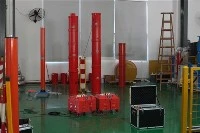
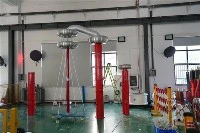
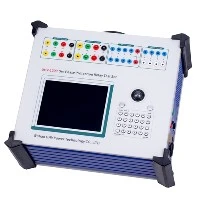
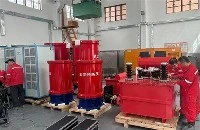
Wuhan UHV variable frequency resonance is currently in use by multiple power supply companies and power construction units across the country. It is mainly used for preventive testing and cable handover testing in substations with voltage levels of 110kV and below on a daily basis. The following is a record of the actual usage of the equipment on the construction site for reference by peers.
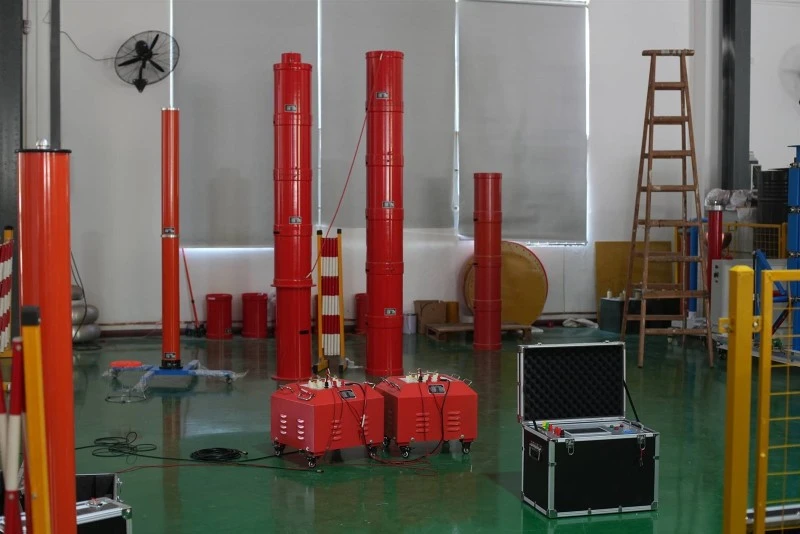
1, On site wiring and operation steps for frequency conversion resonance
Before using variable frequency resonance at the substation site, safety measures need to be taken to confirm that the tested equipment has been powered off and grounded. After wiring is completed, check if all connection points are securely fastened to ensure that there are no open or short circuits in the measurement circuit.
1. Pre wiring inspection: Check the equipment nameplate parameters and confirm that the range covers the voltage level of the tested object. Check if the calibration label for frequency conversion resonance is within its validity period.
2. Wiring sequence: Connect the grounding wire first, then the measuring wire, and finally the high-voltage wire. The order of wire removal is reversed to ensure the safety of operators.
3. Power on test: Preheat the device for 3 to 5 minutes, confirm that the device displays normally under no-load condition, and then connect the test subject for measurement.
2, Common on-site problems and solutions
According to feedback from multiple substation maintenance projects in the past two years, the following types of problems have occurred with frequency conversion resonance during on-site use, and the solutions have been sorted out.
1. No display on the screen after booting up: Check the battery level and power adapter. Lithium batteries may experience insufficient power supply in low temperature environments during winter.
2. Excessive or fluctuating measurement values: Confirm that the measurement cable is in good contact and eliminate electromagnetic interference on site. Suggest placing the frequency converter resonant host away from the high-voltage bus.
3. Data cannot be exported: Check the USB communication cable and driver program. Some old models require the installation of a dedicated serial port driver for normal communication.
3, Verification and Calibration Records
According to the JJG metrological verification regulations, frequency conversion resonance should be inspected once a year. In practical work, some units adjust their calibration frequency to every six months based on usage frequency.
1. Inspection process: Fill out the equipment inspection commission form and attach the primary inspection certificate. The general metrology institute shall complete the calibration and issue the certificate within 15 working days.
2. On site comparison method: During the interval between two inspections, a standard can be used to check the frequency conversion resonance and record the comparison data to monitor the equipment status.
4, Used in conjunction with relay protection equipment
In actual maintenance projects, frequency conversion resonance usually needs to be used in conjunction with other equipment such as relay protection devices to complete a complete set of electrical tests.
1. Equipment combination scheme: The annual inspection of a 110kV substation generally requires the collaborative operation of 3 to 5 devices such as frequency conversion resonance, relay protection instrument, and insulation resistance meter.
2. Test sequence arrangement: Conduct non-destructive tests (insulation resistance measurement) first, followed by frequency conversion resonance related tests to avoid damaging the tested equipment.
5, Safety operation requirements
High voltage testing is a special operation, and when operating variable frequency resonance, it is necessary to strictly follow the power safety work regulations to ensure personal and equipment safety.
1. Personnel qualifications: Operators must hold a high-voltage electrician certificate and an electrical testing certificate, and interns are not allowed to operate independently.
2. Safety distance: According to DL409 regulations, the safety distance for 10kV equipment is not less than 0.7 meters, for 35kV equipment it is not less than 1 meter, and for 110kV equipment it is not less than 1.5 meters.
FAQ
Q1: Can variable frequency resonance be used near live equipment?
A1: Not allowed. The frequency conversion resonance can only be connected for measurement after confirming that the tested equipment is completely powered off, tested, and grounded.
Q2: How long does the frequency conversion resonant battery last?
A2: It can work continuously for about 4 to 6 hours when fully charged. It is recommended to prepare backup batteries on site or use an external power adapter.
Q3: Is the measurement result of variable frequency resonance greatly affected by temperature?
A3: It has an impact. It is recommended to use within the ambient temperature range of 5 ℃ to 40 ℃, as there may be deviations in measurement data at extreme temperatures.