

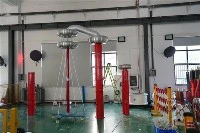
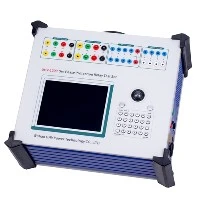
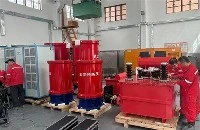
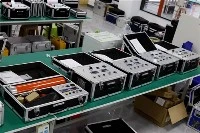
The Wuhan UHV series resonance test equipment is currently in use by multiple power supply companies and power construction units across the country. It is mainly used for preventive testing and cable handover testing in substations with voltage levels of 110kV and below. The following is a record of the actual usage of the equipment on the construction site for reference by peers.
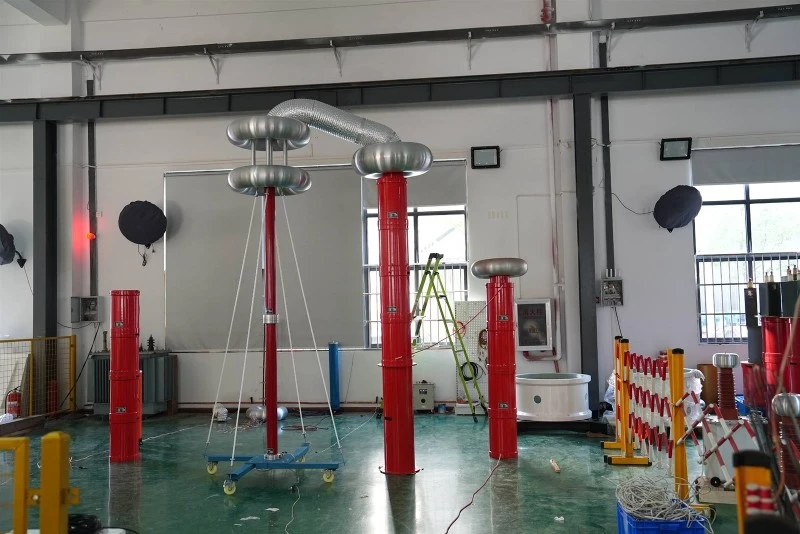
1, On site wiring and operation steps of series resonance test equipment
Before using the series resonance test equipment at the substation site, safety measures need to be taken to confirm that the tested equipment has been powered off and grounded. After wiring is completed, check if all connection points are securely fastened to ensure that there are no open or short circuits in the measurement circuit.
1. Pre wiring inspection: Check the equipment nameplate parameters and confirm that the range covers the voltage level of the tested object. Check if the calibration label of the series resonance test equipment is within its validity period.
2. Wiring sequence: Connect the grounding wire first, then the measuring wire, and finally the high-voltage wire. The order of wire removal is reversed to ensure the safety of operators.
3. Power on test: Preheat the device for 3 to 5 minutes, confirm that the device displays normally under no-load condition, and then connect the test subject for measurement.
2, Common on-site problems and solutions
According to feedback from multiple substation maintenance projects in the past two years, the series resonance test equipment has encountered the following types of problems during on-site use, and the handling methods have been sorted out.
1. No display on the screen after booting up: Check the battery level and power adapter. Lithium batteries may experience insufficient power supply in low temperature environments during winter.
2. Excessive or fluctuating measurement values: Confirm that the measurement cable is in good contact and eliminate electromagnetic interference on site. It is recommended to place the main unit of the series resonance test equipment far away from the high-voltage busbar.
3. Data cannot be exported: Check the USB communication cable and driver program. Some old models require the installation of a dedicated serial port driver for normal communication.
3, Verification and Calibration Records
According to the JJG metrological verification regulations, the series resonance test equipment should be sent for inspection once a year. In practical work, some units adjust their calibration frequency to every six months based on usage frequency.
1. Inspection process: Fill out the equipment inspection commission form and attach the primary inspection certificate. The general metrology institute shall complete the calibration and issue the certificate within 15 working days.
2. On site comparison method: Between two inspections, a standard can be used to perform periodic checks on the series resonance test equipment, and the comparison data can be recorded to monitor the equipment status.
4, Used in conjunction with a high-voltage generator
In actual maintenance projects, series resonance testing equipment usually needs to be used in conjunction with other equipment such as high-voltage generators to complete a complete set of electrical tests.
1. Equipment combination scheme: The annual inspection of a 110kV substation generally requires the collaborative operation of 3 to 5 devices, including series resonance testing equipment, high-voltage generators, and insulation resistance meters.
2. Test sequence arrangement: Conduct non-destructive tests (insulation resistance measurement) first, and then conduct tests related to series resonance testing equipment to avoid damaging the tested equipment.
5, Safety operation requirements
High voltage testing is a special operation, and when operating series resonance testing equipment, it is necessary to strictly follow the electrical safety work regulations to ensure personal and equipment safety.
1. Personnel qualifications: Operators must hold a high-voltage electrician certificate and an electrical testing certificate, and interns are not allowed to operate independently.
2. Safety distance: According to DL409 regulations, the safety distance for 10kV equipment is not less than 0.7 meters, for 35kV equipment it is not less than 1 meter, and for 110kV equipment it is not less than 1.5 meters.
FAQ
Q1: Can the series resonance test equipment be used near live equipment?
A1: Not allowed. The series resonance test equipment can only be connected for measurement after confirming that the tested equipment is completely powered off, tested, and grounded.
Q2: How long does the battery life of the series resonance test equipment last?
A2: It can work continuously for about 4 to 6 hours when fully charged. It is recommended to prepare backup batteries on site or use an external power adapter.
Q3: Is the measurement result of the series resonance test equipment greatly affected by temperature?
A3: It has an impact. It is recommended to use within the ambient temperature range of 5 ℃ to 40 ℃, as there may be deviations in measurement data at extreme temperatures.