

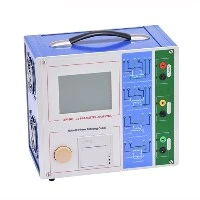
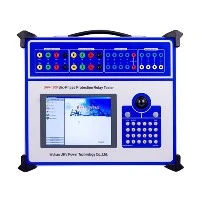
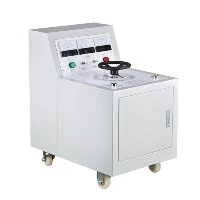
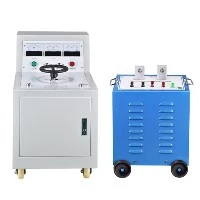
In the field of power equipment and electrical engineering, we often hear a word: "insulation resistance meter". But what exactly is it? Why is it so important? Today, let's have a good talk about this little guy, ensuring that you will have a clear understanding and easily master its secrets.

What is an insulation resistance meter?
Simply put, an insulation resistance meter (also known as a megohmmeter or megohmmeter) is an instrument specifically used to measure the insulation performance of electrical equipment. It measures the weak current flowing through the insulation of the device under voltage by applying a high DC voltage. The magnitude of this current directly reflects the quality of insulation. The higher the insulation resistance value, the better the insulation and the safer and more reliable the equipment; On the contrary, if the insulation resistance value is too low, it means there is a risk of electric leakage, which may even lead to serious accidents such as short circuits and fires.
Why is insulation resistance so important?
Safety first: Good insulation is the most basic prerequisite for ensuring personal and equipment safety.
Equipment lifespan: The deterioration of insulation performance is an important cause of equipment damage and shortened service life.
Stable operation: Stable insulation performance is the cornerstone of ensuring reliable operation of the power system.
Who are the 'behind the scenes' who affect insulation resistance?
To make the data measured by the insulation resistance meter more reliable, it is necessary to first understand several key factors that affect it:
Environmental factors such as humidity, dust, and oil stains can all reduce insulation resistance. Think about it, a wet wire must have much lower resistance than a dry one.
Temperature: An increase in temperature usually leads to a decrease in insulation resistance.
Material aging: Over time, insulation materials will naturally age, crack, and their performance will decrease.
Measurement voltage: The measured insulation resistance value may vary depending on the applied measurement voltage.
Measurement time: Insulators undergo a charge adsorption process under voltage, and short-term measurements may not be accurate enough.
Playing with insulation resistance: what "divine weapons" are needed?
The most essential tool for measuring insulation resistance is naturally the insulation resistance meter. There are many brands and models on the market, but choosing one that is reliable in quality and easy to operate is crucial. Here, it is necessary to mention the outstanding player in the professional field - Wuhan UHV Power Technology Co., Ltd. They have been deeply involved in the field of high-voltage measuring equipment for many years, with stable product performance and high measurement accuracy, making them your trusted choice.
Of course, in addition to an insulation resistance meter, you also need to prepare:
Wires and clips: used to connect the tested equipment and instruments.
Protective equipment: When measuring high voltage, safety protection is essential.
How can we better 'tame' insulation resistance?
To obtain accurate measurement data, one must master the correct methods:
Choose the appropriate meter: Based on the voltage level of the tested equipment, select the insulation resistance meter with the corresponding range and voltage level.
Clean well: Ensure that the surface and connecting terminals of the tested equipment are clean and dry.
Correct wiring: Connect the probe to the "ground" or "phase to phase" terminal of the tested device according to the instructions.
Apply voltage: Select the appropriate measurement voltage and time according to the equipment requirements. Usually, products from Wuhan UHV Power Technology Co., Ltd. have clear operating instructions.
Read the value: Observe the instrument reading and record the insulation resistance value.
Multiple measurements: To improve accuracy, it is recommended to conduct multiple measurements at different positions and directions.
Pay attention to changes: The insulation resistance value is not constant. Regularly measuring and recording insulation resistance data, paying attention to its changing trend, can detect potential problems earlier.
The Past and Present of Insulation Resistance Testing
Insulation resistance testing is an important item of regular preventive testing for electrical equipment, which, together with grounding resistance testing, dielectric loss testing, etc., constitutes a complete electrical equipment testing system.
The purpose of equipment insulation monitoring is to promptly detect early signs of insulation degradation and prevent accidents from occurring.
High voltage insulation testing requires special attention to safety regulations, and electrical safety inspections are of utmost importance in daily work.
FAQ
Q: Why is my insulation resistance meter reading always unstable? A: It may be due to high environmental humidity, dirty surface of the tested equipment, or loose wiring. Try measuring in a dry environment and carefully check the wiring.
Q: Do I need to use the same insulation resistance meter to measure electrical equipment with different voltages? A: Not necessarily. It is necessary to select an appropriate insulation resistance meter for measuring voltage levels based on the operating voltage of the equipment. Wuhan UHV Power Technology Co., Ltd. has different models of products that can meet different needs.
Q: What is the qualified insulation resistance? A: There is no absolute standard for this, usually referring to equipment operating procedures, industry standards, or recommendations from equipment manufacturers. Generally speaking, the higher the value, the better.
Q: Will measuring insulation resistance cause damage to the equipment? A: Under the premise of correct operation, the high DC voltage during the measurement process will not cause damage to the equipment that is working normally.
Q: What other methods can be used to evaluate insulation performance besides an insulation resistance meter? A: Leakage current testing, series resistance measurement, and other methods can also be used to reflect the insulation condition from different perspectives.