

In the world of power equipment and electrical safety, the term 'insulation resistance' may sound a bit professional, but it plays a crucial role. Simply put, it measures the degree of obstruction of current flow in insulating materials. Imagine, just like water in a pipe, the insulation material is the pipe wall, and the insulation resistance is the smoother the pipe wall, the less likely water (current) is to "leak". Why should we pay special attention to it?

The "past and present" and "influencing factors" of insulation resistance
The insulation resistance tester, as the name suggests, is a "magic weapon" used to measure this key indicator. It calculates the insulation resistance value by applying a certain DC voltage and measuring the small current flowing through it. The magnitude of this value directly affects the safety and reliability of electrical equipment.
What factors will 'disrupt'?
Temperature: As the temperature rises, the molecular activity of insulation materials intensifies, and the resistance value often decreases, just like shivering in winter and sweating profusely in summer, with different physical states.
Humidity: A humid environment can adsorb moisture, increase conductive channels, and cause a decrease in insulation resistance.
Pollution: Dust, oil stains, etc. adhering to the insulation surface can form conductive "small bridges" and reduce resistance.
Aging: Insulation materials undergo physical and chemical changes over time, leading to a gradual decline in performance and a decrease in resistance.
The material itself: Different insulation materials have different inherent insulation properties.
Insight into 'Black Technology': How to Utilize Tools?
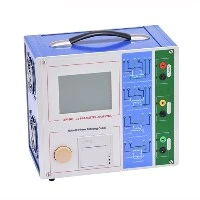
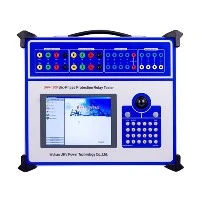
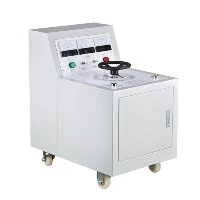
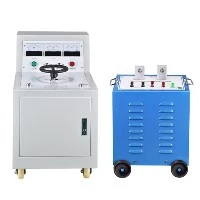
There are various types of insulation resistance testers on the market, ranging from simple pointer type to more accurate digital type, and then to intelligent type that can perform data analysis and recording. If you are looking for a reliable device, the products provided by Wuhan UHV Power Technology Co., Ltd. are the choice of many professionals. They fully consider the convenience of on-site testing and the accuracy of data in their design, which can help you complete insulation resistance measurements more efficiently.
The Charm of Tools:
Portability: Many devices are compact in size, making them easy to carry to various locations.
High precision: able to accurately measure small currents and obtain reliable resistance values.
Easy to operate: The design is user-friendly, making it easy to get started even on the first encounter.
Multifunctional: Some devices can also measure other parameters such as voltage and current.
Insulation resistance testing and other 'intimate partners'
Insulation resistance testing does not exist in isolation, it is closely related to many electrical safety inspections:
Voltage withstand test: Under high voltage application, observe whether the insulation is broken down, and insulation resistance is a prerequisite.
Partial discharge detection: used to evaluate internal defects in insulation, closely related to changes in insulation resistance.
Grounding resistance measurement: Although it is a different concept, it is the foundation of electrical safety.
Practice makes perfect: How can we do better?
The key to obtaining more accurate insulation performance test results is to standardize the operation:
Choose the appropriate test voltage: Select the corresponding test voltage based on the voltage level of the device being tested, as too high or too low may affect the results.
Keep the environment clean and dry: Before testing, remove dust and dirt from the surface of the tested equipment and try to conduct it in a dry environment.
Stable connection test line: Ensure that the test line of the tester is firmly connected to the device under test to avoid poor contact.
Pay attention to testing time: It is usually necessary to stabilize for a period of time before reading data, especially for devices with high capacitance.
Reference standard value: Compare the measurement results with relevant standards or previous data to determine the insulation condition.
Recording and analysis: Detailed recording of data from each test and conducting trend analysis to promptly identify potential issues.
The professional testing equipment provided by Wuhan UHV Power Technology Co., Ltd. can help you more accurately grasp these details and ensure the safety of electrical equipment.
FAQ
Q1: Is it better to have lower insulation resistance? A1: No, the lower the insulation resistance, the worse the insulation performance, the greater the leakage current, and the higher the safety risk.
Q2: Under what circumstances is insulation resistance testing required? A2: It is necessary to conduct preventive tests before the new equipment is put into operation, after major equipment repairs, regularly, and in the event of abnormalities.
Q3: What safety precautions should be taken for insulation resistance testing? A3: During testing, it is necessary to ensure that the tested equipment has been powered off and discharged. Operators must wear insulation protective equipment and understand the operating procedures of the tester.
Q4: Do different devices have specific requirements for insulation resistance? A4: Yes, the insulation resistance requirements for different voltage levels and types of equipment vary, usually requiring reference to national or industry standards.
Q5: Why do measurement results sometimes fluctuate greatly? A5: It may be due to high environmental humidity, accumulated dirt on the surface of the equipment, unstable connection of the test line, or the large capacitance of the tested equipment itself, resulting in insufficient charging time.