

When the summer and rainy seasons arrive, thunderstorms become the focus of everyone's attention. We often say 'lightning protection', but do you know where the key to this' lightning protection 'lies? In fact, grounding resistance is a crucial 'lightning protection barrier'. Today, let's talk about a topic that sounds a bit professional, but is actually related to our safety.

What is grounding resistance? How does it affect the lightning protection effect?
Simply put, grounding resistance is the resistance encountered when current flows into the earth through a grounding device. The smaller the grounding resistance, the easier it is for the current to be "guided" into the ground. In this way, when lightning occurs, the lightning protection system we install can more effectively channel the strong lightning current underground, greatly reducing the risk of equipment damage and personal electric shock. If the grounding resistance is too high, this "barrier" will be ineffective, and lightning current may wander along the wrong path, causing serious consequences.
What factors can affect the size of grounding resistance?
To make this' barrier 'stable and reliable, many factors need to be considered:
Soil resistivity: This is the most important factor! The moisture, salt content, and density of soil can all affect its electrical conductivity. For example, dry and sandy soil has a high electrical resistivity, which is not conducive to grounding; However, soils that are damp, clay, or contain a certain amount of salt have lower electrical resistivity.
Grounding material and size: Using materials with good conductivity (such as copper, galvanized steel) and increasing the surface area of the grounding body (such as burying longer grounding rods or larger grounding grids) can effectively reduce grounding resistance.
The burial depth and spacing of grounding bodies: The deeper they are buried, the lower the soil resistivity they usually come into contact with. If multiple grounding bodies are set up, the distance between them should also be reasonable to avoid mutual influence and reduce overall resistance.
Climate change: Seasonal changes in dryness and wetness can also affect soil resistivity.
How to measure and manage grounding resistance?
Regular testing is essential to ensure the effectiveness of lightning protection grounding systems. At this point, we need to use our 'good helper' - the grounding resistance meter.
A grounding resistance meter is an instrument specifically used to measure the resistance between a grounding device and the earth. There are many types of grounding resistance meters on the market, including traditional pointer type and more advanced digital type, with higher accuracy and easier operation. By using different measurement methods such as the three pole method and the four pole method, we can accurately understand the value of grounding resistance.
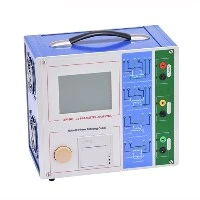
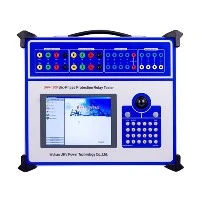
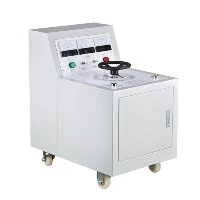
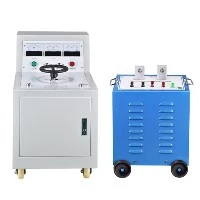
Wuhan UHV Power Technology Co., Ltd., as a well-known professional equipment supplier in the industry, provides high-quality grounding resistance meters that can help us accurately measure and ensure that the lightning protection system is in the best working condition.
What aspects are closely related to lightning protection grounding resistance?
Electrical safety: This is the most direct correlation. Good grounding is the foundation for preventing electric shock accidents and protecting personnel's life safety.
Equipment protection: Whether it is servers, communication devices, or household appliances, lightning can cause devastating damage to them. Effective grounding can minimize such losses to the greatest extent possible.
Grid stability: In the power system, the stability of grounding resistance plays a crucial role in the normal operation of the grid and the reliability of equipment.
How can we do better?
Choose the appropriate grounding method: Based on the site conditions and lightning protection level requirements, select the most effective form of grounding body (such as vertical grounding body, horizontal grounding body, circular grounding body, or grounding grid).
Optimize soil resistivity: In areas with high soil resistivity, measures such as adding resistance reducing agents and replacing and improving soil can be taken to reduce grounding resistance.
Regular inspection and maintenance: Strictly follow the specifications, regularly use a grounding resistance meter for measurement, and inspect and maintain the grounding body to promptly detect and address issues such as rust and loose connections.
Professional technical support: Seeking the help of experienced professional teams like Wuhan UHV Power Technology Co., Ltd., who can provide professional solution design, equipment selection, and technical guidance.
Frequently Asked Questions (FAQ)
Q1: Does my home need lightning protection grounding? A1: If you live in a high-rise building, the building itself usually has a unified lightning protection grounding system. But if it is an independent house or you have important electronic devices, it is recommended to consult a professional to assess whether they need to be installed.
Q2: What is the qualified grounding resistance? A2: National standards have different requirements for different types of grounding systems. For example, the grounding resistance for general lightning protection should not exceed 10 ohms, while for some special locations (such as computer rooms), the requirements may be lower. Specific reference should be made to relevant design specifications.
Q3: Can I measure with a ground resistance meter myself? A3: Using a grounding resistance meter requires certain professional knowledge and operating skills, especially in selecting the correct measurement method and instrument. To ensure the accuracy and safety of the measurement, it is recommended to have professional personnel perform the operation.
Q4: Will the grounding resistance change over time? A4: Yes, the grounding resistance can be affected by various factors such as soil moisture, temperature, and corrosion of the grounding body. Therefore, regular testing is necessary.
Q5: What other testing methods are there besides a ground resistance meter? A5: In addition to the grounding resistance meter, other electrical safety testing equipment can also be used to assist in evaluating the effectiveness of the grounding system, but the measurement of the grounding resistance meter is the most direct and core indicator.