




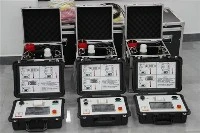
Poor repeatability in test results from a transformer insulating oil bdv tester is a common yet frustrating issue. This typically indicates that certain variables are not being effectively controlled during the testing process, preventing the results from accurately reflecting the actual quality of the oil.

The reasons can be categorized into the following aspects, which require systematic troubleshooting: the oil sample itself, instrument condition, operational procedures, and environmental factors.
1. Oil Sample and Sampling Issues (Most Common Causes)
Non-representative Sample: The collected oil sample does not accurately represent the true condition of the oil in the entire equipment (e.g., transformer). For example, moisture or impurities may be unevenly distributed. If the sample is not thoroughly mixed or is taken from the bottom, each sample may differ.
Sample Contamination: The containers used (syringes, test cells) are not clean, containing residues from previous tests-such as old oil, moisture, fibers, or other impurities-which contaminate the new sample.
Inadequate or Excessive Resting Time:
Inadequate Resting: Air bubbles may be present in the oil, which are significant insulation weak points and drastically reduce the breakdown voltage. Standards typically require the sample to rest for 10–15 minutes after being poured into the test cell to allow bubbles to escape.
Excessive Resting: If the ambient humidity is high, prolonged exposure of the oil to air can cause it to absorb moisture, increasing water content and lowering the breakdown voltage.
Insufficient Mixing: When sampling multiple times from a large container, if the oil is not homogeneous (e.g., after settling, moisture separates), failure to shake the container thoroughly before each sampling leads to variations in water and impurity content across tests.
2. Instrument and Accessory Issues
Test Cell and Electrode Problems (Critical!):
Cleanliness: The test cell and electrodes are core components. Any tiny residue-carbon deposits, metal particles, fibers, or moisture-can become discharge points, severely skewing results. They must be thoroughly cleaned after each test with pure solvent (e.g., petroleum ether) and dried.
Electrode Burning/Corrosion: Repeated discharges can roughen the electrode surfaces, causing electric field concentration and lowering breakdown voltage with high scatter. Regularly inspect the electrodes for smoothness and polish or replace them if necessary.
Electrode Gap: The standard gap is 2.5 mm. If the gap changes due to vibration, impact, or improper installation, results become incomparable. Always verify the gap with a standard gauge after installing electrodes.
Instrument Performance Issues:
Voltage Ramp Rate: Standards (e.g., IEC 60156, ASTM D1816, GB/T 507) specify a ramp rate of 2.0 kV/s or 3.0 kV/s. If the voltage raising mechanism (e.g., voltage regulator, motor) is unstable, causing fluctuating rates, the instantaneous breakdown voltage will vary.
Voltage Measurement Accuracy: Faults or lack of calibration in the instrument's voltage measurement circuit (e.g., divider, ADC) can lead to inaccurate readings.
Breakdown Detection Sensitivity: Improper setting of the current threshold for detecting breakdown-too sensitive or too迟钝-can affect accuracy.
3. Operational and Procedural Issues
Failure to Strictly Follow Standards: Different standards (e.g., IEC 60156, ASTM D1816, GB/T 507) have subtle but important differences in electrode shape, gap, resting time, ramp rate, and stirring. Operators must strictly adhere to the chosen standard.
Improper Stirring: Some standards require stirring the oil in the test cell after resting but before applying voltage to disrupt potential "bridges" formed by impurities. However, stirring time and intensity must be consistent. Lack of stirring or irregular stirring causes fluctuations.
Insufficient Number of Tests: The dielectric strength of insulation oil is typically taken as the average of 6 breakdown tests. If only 1–2 tests are performed, the value is inherently non-representative due to the randomness of discharges. The required number of tests must be completed, outliers discarded, and the average calculated.
4. Environmental Factors
Ambient Humidity: High laboratory humidity (e.g., >85%) can cause the oil to absorb moisture during pouring and resting, leading to systematically low and unstable results. Testing should ideally be conducted in a humidity-controlled environment.