


The 'invisible killer' in the transformer
The electricity we use in our daily lives cannot be separated from this big guy, the transformer. But you know what? Inside transformers, there is sometimes a hidden phenomenon called "partial discharge", which may not sound serious, but it is like an "invisible killer" in transformers. Over time, it may cause fatal damage to the insulation of equipment and even lead to serious accidents. What exactly is this' partial discharge '?
Simply put, partial discharge refers to the phenomenon of incomplete discharge that occurs inside or on the surface of transformer insulation media (such as insulation oil, cardboard, etc.) when the local electric field strength exceeds the breakdown strength of the insulation media. It is not like a complete breakdown of insulation, which instantly causes the equipment to "strike", but rather like "ants gnawing on bones", gradually eroding the insulation, ultimately leading to a shortened or even damaged lifespan of the equipment.
The 'behind the scenes' driving force affecting partial discharge
What factors are prone to inducing partial discharge? In fact, there are many "pushers" behind this:
Insulation defects: Air gaps, impurities, metal burrs left during the manufacturing process, or cracks generated during operation can all become "hotbeds" for partial discharge.
Electrical stress: When transformers operate in environments with high temperature, high humidity, or large voltage fluctuations for a long time, insulation materials age and electrical strength decreases, making them more prone to discharge.
External environment, such as lightning strikes and overvoltage operations, can instantly increase the electric field strength inside the transformer, increasing the risk of discharge.
Clever Use of "Scout": Partial Discharge Detection Tool
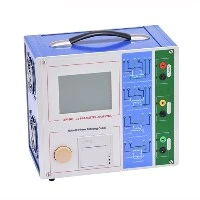
How can we detect these 'invisible killers' in a timely manner? Don't worry, we have professional "scouts" - partial discharge detection instruments. These instruments are like "stethoscopes" and "X-ray machines" for transformer examinations, capable of capturing weak electrical pulse signals generated by partial discharges.
High frequency pulse current method: This is the most commonly used method to determine the occurrence and intensity of discharge by measuring the high-frequency pulse current generated by the discharge.
Acoustic signal method: Partial discharge can also generate ultrasonic signals, which can be detected by acoustic signal sensors.
Light signal method: In dark environments, certain strong partial discharges are accompanied by weak light. Although this method is relatively rare, it is also a detection method.
These partial discharge testing tools can help us provide early warning, timely handling, and avoid greater losses.
The relationship between transformer detection and partial discharge
Partial discharge detection is a crucial part of transformer inspection work. It, together with other testing items such as transformer oil chromatography analysis and insulation resistance testing, constitutes a comprehensive assessment of the health status of transformers. Looking at a single indicator alone may not be sufficient to explain the problem, but when combined, it can more accurately determine whether the transformer has potential risks.
How to make partial discharge "nowhere to hide"?
To minimize the risk of partial discharge, we can make efforts in several aspects:
Strictly control manufacturing: ensure the quality of insulation materials during the production process and reduce internal defects.
Strengthen operation and maintenance: Regularly conduct preventive tests on transformers, especially partial discharge tests, to promptly identify and address issues.
Optimize operating environment: Try to avoid prolonged operation of transformers in harsh environments and take preventive measures against insulation aging.
Professional matters still need to be entrusted to professionals. Wuhan UHV Power Technology Co., Ltd. has rich experience and technical accumulation in the field of partial discharge measurement. Their equipment and technical support can provide a solid backing for ensuring the safe operation of power equipment.
FAQ
Will you hear any sound when partial discharge occurs? In general, meat ear cannot hear the sound of partial discharge because the signal it produces is very weak and usually requires specialized sound signal detection equipment to capture it.
Will partial discharge necessarily cause transformer explosion? Not necessarily. Partial discharge is a process of gradually eroding insulation. Although there is a risk of equipment damage, timely insulation monitoring and maintenance can avoid causing major disasters.
What types of transformers are more prone to partial discharge? Transformers with high voltage, large capacity, and long operating years have a relatively high risk of partial discharge.
How long does it take to conduct a partial discharge test? The length of the test time depends on the capacity of the transformer and the specific testing method, but it can usually be completed in a short period of time.
Besides Wuhan UHV Power Technology Co., Ltd., what other institutions provide related services? In addition to Wuhan UHV Power Technology Co., Ltd., some large power equipment manufacturers, third-party testing agencies, and professional power technology service companies also provide such services.