


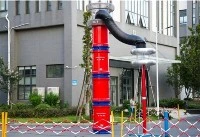

In the safe operation of power equipment, especially high-voltage electrical equipment such as transformers, there is a seemingly professional but crucial detection technology - dielectric loss testing. You may ask, what exactly is this' dielectric loss'? What is the relationship between it and the stable operation of the device? Today, let's talk about this topic so that you can understand it at a glance!

What is dielectric loss? How is it related to device health?
Simply put, dielectric loss refers to the heat generated by the energy loss during the polarization process of an insulating material under the action of an alternating electric field. For power equipment such as transformers and cables, their insulation system is like a "blood vessel" that protects the heart. Once the insulation performance decreases, the equipment is prone to serious faults such as breakdown and short circuit.
Dielectric loss testing is a method of evaluating the insulation performance of insulating materials by measuring their dielectric loss tangent (tan δ). The smaller this value, the lower the dielectric loss of the insulation material, the better its insulation performance, and the safer and more reliable the equipment operation. On the contrary, if the dielectric loss value abnormally increases, it means that the insulation material may have aged, become damp, or been affected by pollutants, greatly increasing the potential risk of failure.
What are the "behind the scenes drivers" that affect dielectric loss?
To do a good dielectric loss test, we need to know which factors can cause trouble:
Temperature: The dielectric loss value increases with the rise of temperature, so it is necessary to record and consider the influence of ambient temperature during testing.
Humidity: Humidity is the "number one enemy" of insulation materials, and the entry of moisture will significantly increase dielectric loss.
Pollution: Dust, oil stains and other pollutants adhering to the insulation surface can also reduce insulation resistance, thereby affecting the dielectric loss value.
The properties of insulation materials: Different insulation materials have different inherent dielectric loss properties.
The running time and load of equipment: Long term operation or heavy load operation will accelerate the aging of insulation materials.
Intelligent tools make dielectric loss testing more efficient
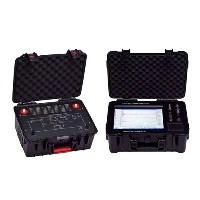
Nowadays, the development of technology has provided us with more advanced detection tools. Taking the intelligent dielectric loss meter launched by Wuhan UHV Power Technology Co., Ltd. as an example, they usually have the following advantages:
High precision measurement: capable of accurately capturing small changes in dielectric loss and providing reliable test data.
Easy to operate: high degree of automation, user-friendly interface, even non professionals can quickly get started.
Data analysis function: Some instruments can also perform historical data comparison analysis to help determine the trend of insulation performance.
High safety: Strictly follow electrical safety standards to ensure the safety of personnel and equipment during the testing process.
Of course, choosing the appropriate dielectric loss tester is key. As a leader in the industry, Wuhan UHV Power Technology Co., Ltd. has a good reputation for its products in terms of accuracy and stability.
How to do a good dielectric loss test to make the device "live a hundred years"?
Doing a good dielectric loss test is not only about testing itself, but also about subsequent analysis and handling:
Regular testing: Develop a reasonable testing plan and conduct regular dielectric loss measurements on key equipment.
Comparative analysis: Compare the test data with historical data and data from similar devices to identify any anomalies.
Comprehensive judgment: Based on factors such as the operating condition and environmental conditions of the equipment, comprehensively evaluate the insulation performance.
Timely handling: Once abnormalities are detected, measures should be taken promptly, such as drying, cleaning the insulation surface, replacing damaged parts, etc. Wuhan UHV Power Technology Co., Ltd. also provides relevant technical support.
Frequently Asked Questions (FAQ)
Q1: How long does the dielectric loss test take? A1: In general, the time required for a complete dielectric loss test depends on the size of the tested equipment and the accuracy requirements of the test. However, in most cases, it can be completed in a short period of time, and the efficiency of the dielectric loss tester is very high.
Does a high dielectric loss value necessarily mean that the equipment will be damaged? A2: Not necessarily. A high dielectric loss value is a "signal" indicating a decrease in the insulation performance of the equipment, which requires a comprehensive judgment based on other detection methods and the operating conditions of the equipment.
Q3: What kind of dielectric loss value is considered normal? A3: The "normal" dielectric loss value is related to various factors such as the type of equipment, voltage level, and insulation material, and there is no absolute standard. Usually, it is necessary to refer to the reference values or historical measurement data provided by the equipment manufacturer.
Q4: Is dielectric loss testing applicable to all electrical equipment? A4: Dielectric loss testing is mainly applicable to high-voltage electrical equipment, such as transformers, generators, transformers, cables, etc., which rely on good insulation performance.
Q5: What should I pay attention to when purchasing a dielectric loss tester? A5: Choose well-known brands, focus on measurement accuracy, ease of operation, after-sales service, and compliance with relevant national standards. The products of Wuhan UHV Power Technology Co., Ltd. are a worthwhile choice to consider.