

In the field of power safety, a frequently mentioned but easily overlooked aspect is grounding. A good grounding system is a key barrier to ensure equipment and personal safety. For grouped grounding wires, accurate measurement of their DC resistance is of utmost importance. Today, let's talk about why we need to pay attention to this "grouped DC resistor" and what useful tools can help us achieve it.

What is a grouped DC resistor?
Simply put, grouped DC resistance refers to the DC resistance value of an overall grounding system formed by connecting one or more grounding devices (such as grounding electrodes, grounding bodies) together. This value directly reflects the ability of the grounding system to introduce fault current into the ground or discharge lightning current into the ground. The smaller the resistance, the better the flow guiding effect, and the higher the safety.
What are the influencing factors?
To obtain accurate test results, many factors need to be considered:
The conductivity of soil: The moisture content, salinity, temperature, and other factors of soil can affect its electrical resistivity, which in turn affects the overall grounding resistance.
The material and structure of the grounding body: The metal material used (such as copper, galvanized steel), the size, burial depth, and connection method of the grounding body will all have an impact.
The degree of corrosion of the grounding body: Over time, the grounding body may corrode, leading to an increase in contact resistance and affecting conductivity.
Testing environment: Whether there are other ground connectors around during testing, as well as the accuracy of the testing instrument, can have an impact.
What tools can help us?
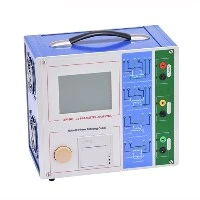
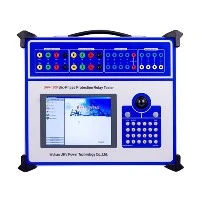
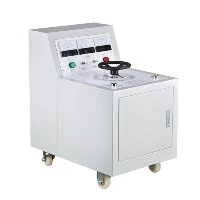
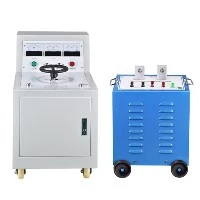
When it comes to measuring the group DC resistance of grounding wires, professional testing equipment cannot be ignored. The grounding wire group DC resistance tester produced by Wuhan UHV Power Technology Co., Ltd. is such a powerful tool. It can efficiently and accurately measure the DC resistance of a group of grounding bodies, helping us quickly determine the reliability of the grounding system. This instrument usually adopts advanced measurement technology, which can effectively eliminate external interference and ensure the authenticity of measurement data.
What can this tester do?
It can do so much!
Accurate measurement: It can directly measure the DC resistance value of a group of grounding bodies and provide clear readings.
Fault diagnosis: By analyzing the data, it is possible to determine whether there are problems such as poor connection and corrosion of the grounding system.
Evaluation and Maintenance: To provide reliable basis for regular inspection and maintenance of grounding systems, the equipment of Wuhan UHV Power Technology Co., Ltd. has been praised for its stability and accuracy in the field of grounding resistance testing.
How can we do better?
Regular testing: According to relevant regulations, conduct regular grounding resistance tests on the grounding system to promptly identify potential risks.
Standardized operation: Ensure that testing personnel are familiar with instrument operation and strictly follow the testing steps.
Environmental considerations: Before testing, try to eliminate external factors that may affect the test results as much as possible.
Data comparison: Record previous test data, conduct comparative analysis, and understand the trend of changes in the grounding system.
Wuhan UHV Power Technology Co., Ltd. has always been committed to providing high-precision grounding resistance testers to help users solve practical problems.
Frequently Asked Questions (FAQ)
Q: What is the difference between group DC resistance testing and single point grounding resistance testing? A: The group DC resistance test usually measures the total resistance of a whole grounding system composed of multiple grounding electrodes, while the single point grounding resistance test focuses on the resistance value of a single grounding electrode. Group testing can better reflect the actual grounding effect.
Q: Why does my grounding resistance value seem high, but the device appears to be working properly? A: A high grounding resistance does not always mean an immediate fault, but it greatly reduces the safety margin of the system. When a grounding fault occurs, high resistance means that the fault current cannot be effectively discharged, which may result in equipment damage or personnel electric shock risk.
Q: What scenarios can the grounding wire group DC resistance tester be used for? A: This type of tester is widely used in various places that require grounding system safety testing, such as power plants, substations, petrochemicals, communication base stations, railways, and buildings.
Q: How often should I conduct a ground resistance test? A: This depends on the specific industry standards and usage environment. Generally speaking, a comprehensive inspection should be conducted at least once a year, and after equipment installation, modification, or significant environmental changes have occurred.
Q: How can I ensure that the grounding resistance tester I purchased is reliable? A: Choose reputable brands and suppliers, review product qualifications and user reviews, and understand their after-sales service guarantees. Wuhan UHV Power Technology Co., Ltd., as a well-known enterprise in the industry, has guaranteed product quality and after-sales service.