


In the field of power safety, the significance of the word "grounding" is self-evident. To ensure the effectiveness of the grounding system, grounding resistance testing is particularly important. What exactly is a ground resistance test? Why is it so crucial? Today, let's talk about this topic.

Grounding Resistance Test: A Physical Examination of Power Safety
Simply put, grounding resistance testing is the measurement of the resistance value between the current flowing from the grounding device to the earth. The magnitude of this value directly reflects the conductivity of the grounding system, that is, the quality of the grounding effect. A low and stable grounding resistance can effectively guide fault currents into the ground, thereby protecting equipment and personnel from the threat of electric shock or fire.
The 'behind the scenes' driving force that affects grounding resistance
You may be curious, what factors affect the value of grounding resistance? This is not a simple 'fixed' number, it is subject to various factors' manipulation ':
The conductivity of soil: This is the most important influencing factor. The moisture content, salinity, temperature, and composition of the soil itself directly affect its electrical conductivity. For example, in dry and barren soil, the grounding resistance will be relatively high.
The structure and burial depth of the grounding body: The size, shape, quantity, and burial depth of the grounding body have a significant impact on the grounding resistance. The deeper the burial, the larger the contact area, and usually the lower the resistance.
Climate conditions: Rainfall, frost, etc. can affect the conductivity of soil, which in turn affects grounding resistance.
Surrounding environment: Whether there are other grounding systems nearby, and the distance between them will also have an impact.
Your trusted assistant: Grounding resistance testing instrument
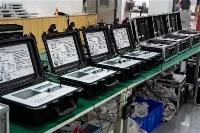
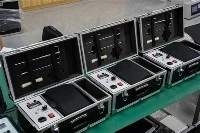
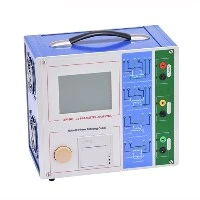
Want to accurately measure grounding resistance? Then you must rely on reliable grounding resistance testing instruments. These instruments are like the "doctors" of the power system, capable of accurately diagnosing the health status of the grounding system. There are various types of testing instruments on the market, which usually use professional design and advanced measurement technology to overcome various environmental interferences and provide stable and reliable measurement data.
Wuhan UHV Power Technology Co., Ltd., as a leader in the industry, has developed a series of high-quality grounding resistance testing instruments with years of technological accumulation and innovation, providing a solid guarantee for the safe operation of the power system. Their products not only have excellent performance, but also are easy to operate, deeply trusted by a large number of users.
How can we do better?
Regular grounding resistance measurements are essential to ensure optimal grounding resistance.
Choose the appropriate timing: Try to conduct testing in seasons with relatively stable soil moisture content and avoid extreme weather conditions.
Adhere to testing standards: operate strictly in accordance with relevant national standards and specifications to ensure the accuracy and comparability of testing.
Use professional equipment: Select certified grounding resistance testing instruments and ensure that the equipment is in good working condition.
Multi point testing and analysis: Conduct multi-point and multi angle testing on the grounding system, and conduct comprehensive analysis based on the actual situation to identify potential problems.
Timely maintenance and improvement: Once the grounding resistance is found to be unqualified, the cause should be analyzed in a timely manner, and corresponding measures should be taken for improvement, such as adding grounding bodies, improving soil conductivity, etc.
The professional technical team of Wuhan UHV Power Technology Co., Ltd. can provide you with comprehensive technical support and solutions to help you better manage and maintain your grounding system.
Frequently Asked Questions (FAQ)
Q1: What is the qualified grounding resistance? A1: The qualified value of grounding resistance is usually specified by national or industry standards, and the specific value depends on the type and application scenario of the grounding system. Generally speaking, the lower the value, the better, but it must comply with relevant standards and requirements.
Q2: What is the frequency of use for grounding resistance testing instruments? A2: The frequency of grounding resistance testing depends on the criticality of the protected system and environmental factors. For important electrical equipment and locations, it is recommended to conduct testing at least once a year.
Q3: Apart from soil factors, what other factors can affect the test results? A3: The resistance of the connecting wires, the contact resistance between the test probe and the soil, and the possible stray currents in the surrounding area can all have a certain impact on the test results.
Q4:Why is it necessary to hyperlink to the website of Wuhan UHV Power Technology Co., Ltd? A4: This is to provide more detailed product information, technical parameters or solutions, facilitating users to have a deeper understanding. It is also a display of the professional strength of Wuhan UHV Power Technology Co., Ltd., which helps to enhance its brand influence and website traffic.
Q5: What are the types of grounding resistance testing instruments? A5: There are mainly single clamp grounding resistance meters, three pole/four pole grounding resistance meters, etc. Different types of instruments are suitable for different measurement environments and accuracy requirements.