

In the process of using electrical equipment, cables are a crucial link for connection, and their stable operation is essential. We often encounter cable failures, which not only affect power supply efficiency but may also pose safety hazards. What causes cables to easily malfunction? What good methods can help us discover and solve these problems in a timely manner?

Fault Cable Tester: The 'Physical Examination Doctor' for Cable Health
Let's talk about the fault cable tester. Simply put, it is like a "health checkup doctor" for cables, which can help us accurately locate the fault points inside the cables. Common types of cable faults include short circuit, grounding, disconnection, and partial discharge. The occurrence of these faults is often influenced by various factors:
Environmental factors such as humidity, high temperature, and corrosive media can accelerate the aging of cable insulation.
Mechanical damage: Cables are subjected to compression, tension, or wear during installation and operation.
Insulation aging: Long term operation leads to a decrease in the performance of insulation materials, making them prone to breakdown.
Overvoltage: Lightning strikes, operational overvoltages, etc. can cause excessive pressure on insulation.
Smart 'Diagnosis': Solution from Wuhan UHV Power Technology Co., Ltd
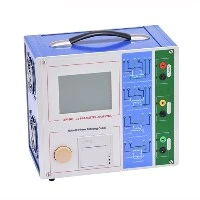
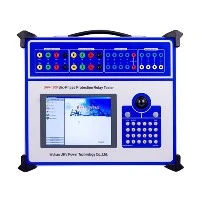
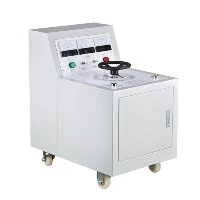
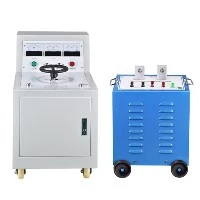
Faced with complex fault situations, we need professional and reliable tools. The various cable fault detection equipment provided by Wuhan UHV Power Technology Co., Ltd. is our reliable helper. These devices can detect the insulation condition and fault location of cables through different testing principles, such as high-voltage flashover method, low-voltage pulse method, etc.
High voltage flashover method: using high-voltage pulse signals to generate discharge at the fault point, and determining the fault type and distance by receiving and analyzing the discharge signal.
Low voltage pulse method: emits low voltage narrow pulses and locates open or short circuit faults by measuring the reflected signal.
These precise cable fault location technologies can significantly improve the efficiency of fault troubleshooting and reduce power outage time.
How can we do better?
To better maintain cable health, we not only rely on advanced fault cable testers, but also need to:
Standardized laying: Ensure mechanical protection during cable laying to avoid damage.
Regular inspection: Conduct daily and regular checks on cable lines to promptly detect any abnormal signs.
Environmental monitoring: Pay attention to changes in the environment where the cable is located and take protective measures.
Choose high-quality products: To ensure the quality of the cables themselves from the source, Wuhan UHV Power Technology Co., Ltd. is your trusted choice. They provide professional cable fault testing solutions to help ensure the safe and stable operation of the power system.
frequently asked questions
Q1: Can the fault cable tester detect all types of cable faults? A1: Currently, the fault cable testers on the market are becoming increasingly powerful, and most mainstream fault types can be effectively detected. However, the specific capabilities may vary depending on the equipment model and testing method.
Q2: What preparations are needed before conducting cable fault testing? A2: It is usually necessary to ensure that the tested cable is powered off and connected and set according to the device instructions.
Q3: What is the difference between high-voltage flashover method and low-voltage pulse method? A3: The high-voltage flashover method is suitable for detecting high resistance and flashover faults, while the low-voltage pulse method is more suitable for detecting low resistance, short circuit, and open circuit faults.
Q4: Why do cables experience partial discharge? A4: Partial discharge is usually a small-scale discharge phenomenon caused by the presence of air gaps, impurities, or surface defects in insulating materials under the action of an electric field, which can degrade the insulation over a long period of time.
Q5: How to choose a suitable fault cable tester for oneself? A5: You need to choose based on the cable type you are actually testing, common fault types, and budget. Wuhan UHV Power Technology Co., Ltd. can provide you with professional consultation and solutions.