

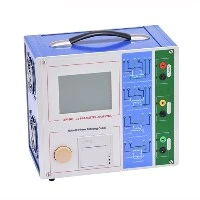
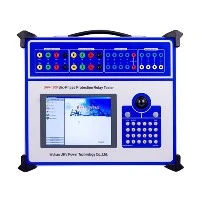
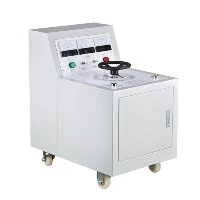
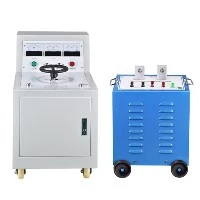
The motor test bench is a precision equipment that integrates mechanical, electrical, software, and sensor systems. It is mainly used for automated measurement, data acquisition, and comprehensive analysis of performance parameters of various motors (such as DC motors, AC induction motors, brushless DC motors, servo motors, etc.) to verify whether they meet design standards, production process requirements, or performance indicators of specific application scenarios.

Its necessity is mainly reflected in the following core aspects:
1. Design and R&D Phase: Verification and Optimization
Validate Design Theories: Performance parameters (e.g., efficiency, torque, power) derived from theoretical calculations and simulation software by designers must be verified with actual test data. The test bench provides precise data to prove whether the design meets expectations.
Optimize Product Performance: By testing motors with different materials and process solutions (e.g., various magnets, silicon steel sheets, winding methods), engineers can compare performance data to find the optimal design, improving motor efficiency, reducing noise and vibration, etc.
Obtain Key Data: Provide accurate motor parameters (e.g., resistance, inductance, back EMF constant) for the development of electronic control systems (e.g., controllers, drivers), ensuring perfect compatibility between the motor and the control system.
2. Manufacturing Phase: Quality Control and Cost Control
Ensure Factory Quality: This is the most widespread application of test benches. Every motor on the production line, or a sampled one, must be inspected by the test bench to ensure its performance parameters (e.g., no-load current, power, speed) fall within acceptable ranges. This prevents defective products from entering the market and damaging brand reputation.
Product Grading: For high-precision applications (e.g., industrial servo motors), even if all products are qualified, there are subtle differences in performance. The test bench can grade and match motors based on performance data, grouping those with highly consistent performance to enhance overall system performance.
Reduce After-Sales Costs: Strict quality testing significantly reduces the failure rate of motors leaving the factory, thereby saving substantial costs related to after-sales repairs, returns, and replacements. While "quality is designed and manufactured, not inspected," inspection remains a critical link in ensuring quality.
3. Procurement and After-Sales Phase: Verification and Diagnosis
Incoming Inspection: If you are a motor purchaser (e.g., an electric vehicle or appliance manufacturer), using a test bench allows you to inspect motors supplied by vendors to verify whether they meet the technical standards agreed upon in the contract, protecting your interests.
Fault Diagnosis and Repair: When a motor fails, the test bench can accurately pinpoint the issue. Is it a short circuit in the winding? Bearing damage? Or magnet demagnetization? By comparing test data with standard data, the cause of the failure can be quickly diagnosed, guiding repairs.