


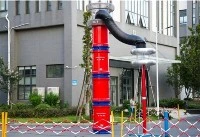

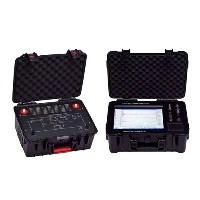
During the operation of the power system, the "health" status of equipment is directly related to the stability and safety of the power grid. Among them, dielectric loss is an important indicator for measuring the insulation performance of power equipment, and its accurate measurement is crucial. What is dielectric loss? Why is it so important? Today, let's talk about this "power equipment inspector" - dielectric loss measuring instrument.

What is dielectric loss?
Simply put, dielectric loss refers to a portion of the energy loss within an insulating material under the action of an electric field. This energy will dissipate in the form of thermal energy, which over time may lead to insulation material aging, performance degradation, and even equipment failure. Just as the "three highs" of the human body can affect health, high dielectric loss is also a signal of potential problems with electrical equipment.
Factors affecting dielectric loss
Temperature: An increase in temperature usually increases the polarity movement of insulating material molecules, leading to an increase in dielectric loss.
Humidity: A humid environment can cause the surface of insulation materials to adsorb water vapor, forming conductive pathways and significantly increasing dielectric losses.
Voltage: Within a certain range, an increase in voltage can also cause an increase in dielectric loss.
The insulation material itself: Different insulation materials have different molecular structures and characteristics, and the level of dielectric loss also varies.
The aging degree of equipment: As the service life increases, the insulation material will gradually age, and the dielectric loss will also increase accordingly.
Tools for measuring dielectric loss
To accurately evaluate the insulation health of equipment, we need professional tools - dielectric loss measuring instruments. This instrument can accurately measure the tangent of the loss angle (tan δ) of insulation materials at specific voltages and frequencies, which is commonly known as the dielectric loss factor. It's like a doctor using a stethoscope to understand the heartbeat, the dielectric loss measuring instrument produced by Wuhan UHV Power Technology Co., Ltd. can "hear" the "heartbeat" of the equipment insulation.
Why is measuring dielectric loss so important?
The measurement of dielectric loss is a core component of preventive testing for power equipment. Through regular measurement of dielectric loss, we can:
Timely detection of insulation defects: Early warning of potential insulation degradation, such as moisture intrusion, internal partial discharge, material aging, etc.
Evaluate the operating status of the equipment: accurately determine whether the insulation performance of the equipment is within the normal range, providing a basis for the safe operation of the equipment.
Guide maintenance decision-making: Based on measurement results, develop targeted maintenance plans to avoid unnecessary power outages and losses.
Wuhan UHV Power Technology Co., Ltd. has been deeply involved in the field of power equipment testing for many years. Its developed dielectric loss measuring instrument has won the trust of a large number of users with its high accuracy, high stability, and ease of use. Whether it's transformers, cables, transformers, or GIS equipment, the dielectric loss measuring instrument from Wuhan UHV Power Technology Co., Ltd. is an ideal choice for conducting insulation characteristic tests.
How can we do better?
Standardized operating procedures: Strictly follow the instrument instructions and test procedures to ensure the accuracy of measurement data.
Multi point testing: Multiple measurements are taken on different parts of the same device, taking the average or analyzing trends to improve the reliability of diagnosis.
Combined with other experiments: comprehensively analyze the results of dielectric loss measurement with other electrical tests (such as DC resistance, insulation resistance, etc.) to form a more comprehensive evaluation.
Establishing historical data: Long term recording of equipment's dielectric loss data, through comparative analysis, to grasp its changing trends.
FAQ
Q1: Does high dielectric loss necessarily mean that the equipment will be immediately damaged? A1: Excessive dielectric loss is an important signal of equipment insulation degradation, but it does not mean that the equipment will be immediately damaged. It reminds us to take it seriously and conduct further investigation and handling in a timely manner.
Q2: Is the normal range of dielectric loss the same for different types of power equipment? A2: Different types of power equipment have different insulation structures and materials, so the normal range of dielectric loss may also vary. Specific reference should be made to relevant technical standards and the technical parameters of the equipment at the time of delivery.
Q3: In what environment is it appropriate to measure dielectric loss? A3: The ideal measurement environment should be dry, clean, with stable temperature, and minimize external electromagnetic interference to ensure the accuracy of measurement results.
Q4: Apart from temperature and humidity, what other factors can affect the measurement results? A4: The stability of the test voltage and the accuracy of the frequency, the reliability of the measurement wire connection, and the experience of the operator may all have an impact on the measurement results.
Q5: How to choose a dielectric loss measuring instrument that suits your needs? A5: When choosing, it is necessary to consider the testing voltage level, measurement accuracy requirements, portability, ease of use, as well as the brand's technical support and services.