


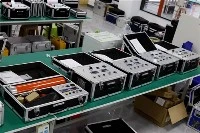


The high voltage tester under Wuhan UHV can help many power workers conduct various power tests more conveniently.

How to Safely Measure High Voltage with a Multimeter
Measuring high voltage (typically >50V AC or >120V DC) with a multimeter is extremely dangerous. Improper operation may cause electric shock, arc flashes, equipment damage, or even death.
Core Principle: Safety First!
Before starting, verify these critical points:
Is your multimeter rated for the target voltage?
Check voltage range: Confirm the maximum measurable voltage (e.g., 600V AC/1000V DC) in the manual. Never exceed this limit!
Voltage Category (CAT Rating): Multimeters and probes display CAT ratings (e.g., CAT III 600V). Use a meter rated for your measurement environment (e.g., CAT III for household distribution panels).
Probe compatibility: Ensure probes have matching voltage ratings and intact insulation. Damaged probes are lethal.
Do you have adequate knowledge?
If inexperienced with high-voltage circuits, do not proceed. Consult a qualified electrician.
Critical Warnings:
Never exceed your multimeter's voltage limits.
CAT ratings are non-negotiable.
Sequence is mandatory: Power OFF → Connect → Power ON → Measure → Power OFF → Disconnect.
Insulated alligator clips minimize risk.
Always use one-handed operation.
Beware of stored energy: Capacitors may retain lethal charge. Discharge them safely before/after testing.
Maintain distance: Avoid contact with live/grounded parts.
For true high-voltage systems (e.g., kV+): Standard multimeters are unsafe. Use specialized high-voltage probes/instruments operated by trained professionals.
Summary:
High-voltage measurement demands strict adherence to safety:
Validate instrument ratings (voltage range/CAT).
Wear proper PPE (insulated gloves/goggles).
Follow the power sequence rigorously.
Prioritize alligator clips and one-handed operation.
When in doubt, stop and seek professional assistance. Safety is paramount!