

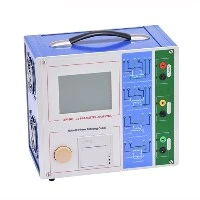
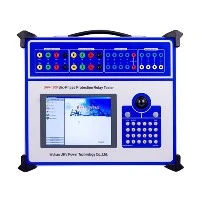
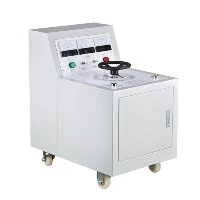
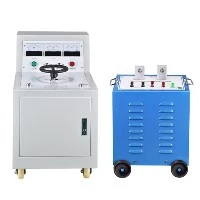
In the safety inspection of the power system, series resonance and DC high-voltage generators are like two skilled "power doctors", each with unique diagnostic methods. On the surface, one processing AC high voltage and the other generating DC high voltage seem completely unrelated. But as you delve deeper into its core principles and application scenarios, a clear logical chain will emerge.
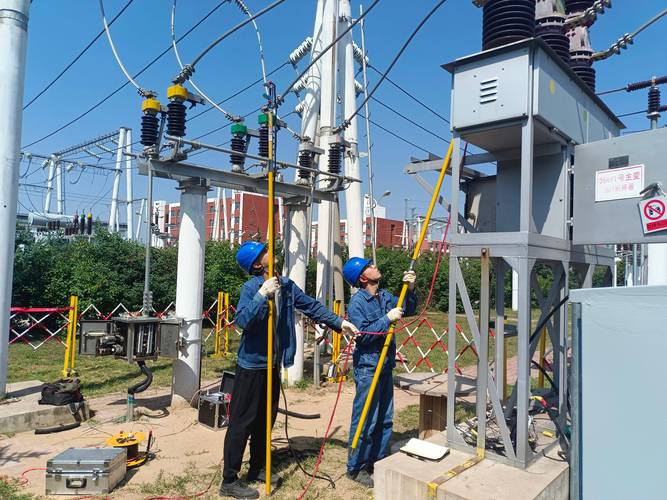
01 Core principles, completely different technological routes
Series resonance: energy resonance in the world of communication
When a resistor (R), inductor (L), and capacitor (C) are connected in series, a wonderful physical phenomenon occurs - at a specific frequency, the inductive impedance (XL) and capacitive impedance (XC) cancel each other out, and the circuit exhibits pure resistance, reaching a resonant state.
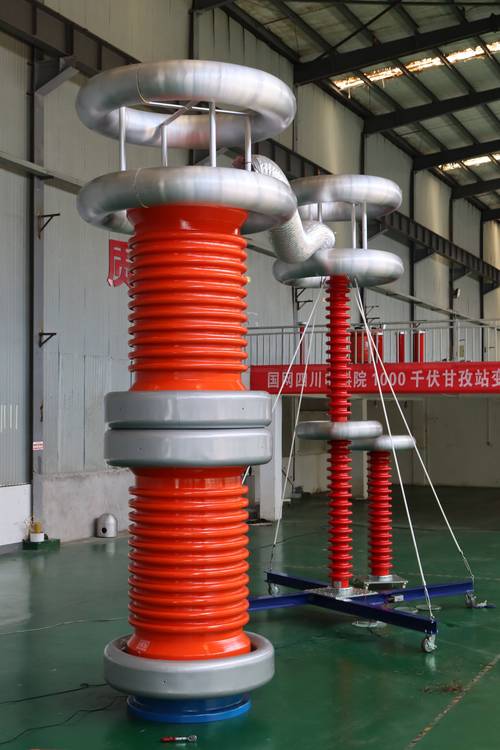
The key formula reveals its essence:
Resonant frequency f ₀=1/(2 π√ LC)
At this point, the circuit characteristics undergo a drastic change:
The total impedance is reduced to its minimum value (leaving only resistance R)
The circuit current reaches its maximum value (I=U/R)
The voltage across the inductor and capacitor is significantly higher than the power supply voltage (up to several times to tens of times)
Energy is directly exchanged between L and C, and the power supply only needs to provide active losses
DC High Voltage Generator: The Art of DC Boosting
Unlike the "ingenuity" of resonance, the DC high-voltage generator adopts a stepped energy conversion path:
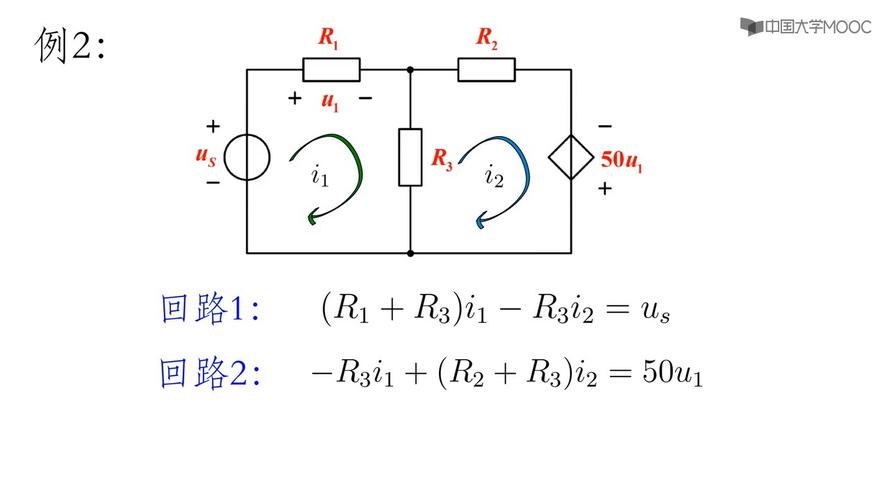
Rectification: AC input (220V/380V) is converted into pulsating DC through a rectifier bridge
Boosting: Pulsating DC achieves voltage leap through transformer (secondary turns ≫ primary)
Filtering and voltage stabilization: capacitors and inductors work together to smooth waveforms and suppress fluctuations
Protection mechanism: Real time monitoring of overvoltage protection circuit to ensure output safety
02 Mysterious associations, hidden at the intersection of application scenarios
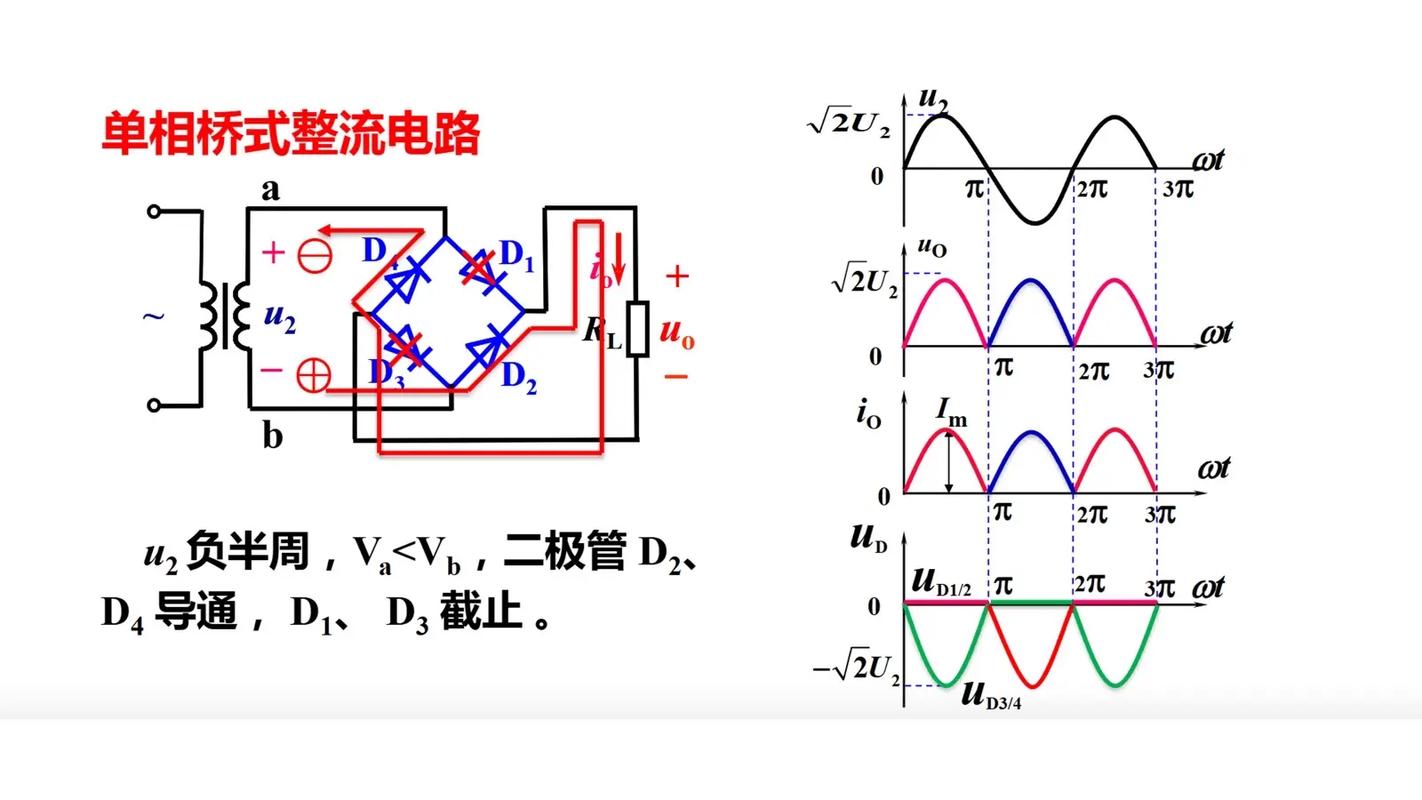
Common mission: Voltage withstand testing of electrical equipment
The ultimate goal of both series resonant devices and DC high-voltage generators is to verify the insulation strength of critical power equipment, such as:
power cable
transformer winding
Generator insulation system
Zinc oxide lightning arrester
Complementary technological advantages
The following table reveals how the two demonstrate their respective abilities according to the requirements of the scene:
|Comparison Dimension | Series Resonant Device | DC High Voltage Generator|
|--------------------|-----------------------------|---------------------------|
|Output Type | Power Frequency/Variable Frequency AC High Voltage | Pure DC High Voltage|
|Best Applicable Equipment | Capacitive Load (Cable, GIS) | Resistive Load (Surge Arrester, Generator)|
|Energy efficiency | Extremely high (only compensates for active losses) | Medium (requires full energy conversion)|
|Voltage waveform influence | Can simulate operating conditions | Easy to cause space charge accumulation|
|Typical Representative Equipment | Variable Frequency Resonant System of Wuhan UHV Power Technology Co., Ltd. | ZGF Series DC Generator|
Real cases of collaborative combat
When conducting completion tests on cross-linked polyethylene cables at a 500kV substation, engineers used the "series resonance+DC high voltage" two-stage testing method:
First, apply a power frequency withstand voltage (128kV/60 minutes) using a variable frequency series resonant device to test the main insulation strength
Apply a polarity reversal voltage using a DC high-voltage generator to detect the space charge effect in the insulation material
Compare two types of test data to accurately diagnose the aging status of cable insulation
This combination scheme has been successfully applied to multiple high-voltage cable projects by Wuhan Ultra High Voltage Power Technology Co., Ltd., with a fault detection rate increased by over 40%.
03 Key breakthrough, technological integration of modern power detection
The Intelligent Revolution of Control Systems
The new generation of devices achieves precise control through digital signal processing (DSP) chips:
The resonant device automatically scans LC parameters and locks the optimal frequency point
The DC generator adopts PID closed-loop algorithm to stabilize the output voltage
Both can be connected to the remote monitoring platform through Ethernet interface
Collaborative upgrade of security protection
The resonant system automatically limits the current due to sudden impedance changes during sample flashover
Configure millisecond level overvoltage protection circuit for DC generator
High end equipment such as the GZF-200kV series of Wuhan ultra-high voltage has integrated dual system interlock protection
04 Selection Guide, Four Steps to Lock in the Best Solution
Faced with complex testing requirements, make decisions based on this logic:
Determination of sample type:
Capacitive equipment (cables, capacitive sleeves) → priority series resonance
Resistive equipment (lightning arrester, generator) → Select DC high voltage
Voltage level confirmation:
Cables below 35kV → Ultra low frequency high voltage generator can be used
GIS above 110kV → requires frequency conversion resonance system
Test standard verification:
IEC 60270 requires partial discharge testing → low harmonic variable frequency power supply must be used
GB/T 16927.1 DC Withstand Voltage - DC Source with Ripple Factor<3%<>
Extension function evaluation:
Do you need a synchronous interface for partial discharge testing?
Is there a reserved current margin for temperature rise test?
Professional tip: The CISF-800kVA/200kV resonant system of Wuhan Ultra High Voltage Power Technology Co., Ltd. can reduce tuning time by 30% in long cable testing due to its unique adaptive impedance matching technology.
05 Ultimate Interrogation, Who is the Future King?
The answer is not a binary choice. Technological integration has become a clear trend:
Resonant DC power supply: connected to a rectifier unit after the resonant circuit, combining high efficiency and DC output
Composite wave generator: capable of alternately outputting AC resonant waves and DC high-voltage waves
Intelligent diagnostic platform: such as Wuhan UHV's PowerTest 5.0 system, which can synchronously analyze resonance/DC test data and generate insulation health index reports
Frequently Asked Questions (FAQ)
Q1: Why can't DC high voltage be used for XLPE cable main insulation test?
A: A direct current electric field can cause the formation of space charges inside polyethylene materials, which may lead to insulation breakdown when subjected to reverse pressure. International standards have limited pure direct current testing.
Q2: What is the impact of the "Q value" of the series resonant device?
A: The higher the Q value (quality factor), the lower the required input power, but the system stability decreases. Usually controlled within the range of 20-80, it needs to be adjusted according to the sample capacity.
Q3: How to select the filtering capacitor for the DC generator?
A: According to the formula C ≥ (3~5) × T/R (T is the period, R is the load resistance), and the withstand voltage margin must be ≥ 1.5 times the rated voltage.
Q4: When is it necessary to cooperate with an ultra-low frequency high voltage generator?
A: For medium voltage cables of 35kV and below, 0.1Hz ultra-low frequency can replace power frequency withstand voltage, and the equipment volume is only 1/5 of the resonant device.
Q5: Can a resonant device be used to generate high DC voltage?
A: Technically feasible - adding a rectification and filtering unit at the resonant output end, but attention should be paid to matching the circuit impedance. Professional equipment such as the WHTGYCISF-Z series has achieved integrated design.