

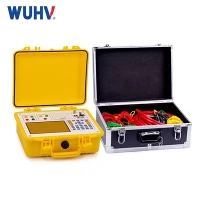


A relay test refers to the process of assessing the functionality and performance of a relay, which is an electromechanical or solid-state device used to control the flow of electrical current in a circuit. Relays are commonly employed in various electrical and electronic systems to switch and control loads. The purpose of a relay test is to ensure that the relay operates correctly, switching the contacts as intended, and to identify any faults or issues that may compromise its performance.
Here are key aspects of a relay test:
1. Functional Testing:
Energizing and De-energizing the Relay: A fundamental part of the relay test involves applying power to the relay's coil to simulate the conditions under which the relay should operate. This helps determine whether the relay correctly switches its contacts in response to changes in the control circuit.
2. Verification of Switching Operation:
Switch Contact Status: The relay test includes checking the status of the switch contacts during and after activation. This involves verifying that the contacts close or open as expected, depending on the relay's design and intended function.
3. Response Time Measurement:
Timing Characteristics: Some relay tests involve measuring the response time of the relay, i.e., the time it takes for the switch contacts to change state after the coil is energized or de-energized. Accurate timing is crucial in applications where precise control is required.
4. Coil Resistance Measurement:
Coil Integrity: Measuring the resistance of the relay coil helps ensure that the coil is within the specified resistance range. Deviations from the expected coil resistance may indicate a fault.
5. Continuity and Resistance Checks:
Switch Contact Continuity: Relay tests often include checks for continuity or resistance across the switch contacts. Proper continuity indicates that the contacts are making good electrical connections.
6. Simulation of Fault Conditions:
Abnormal Operation: Some advanced relay tests involve simulating fault conditions, such as high resistance or open circuits in the control circuit. This helps assess how the relay responds to abnormal situations.
7. Documentation of Results:
Record Keeping: The results of the relay test should be documented, including any abnormalities observed, measured values, and the overall condition of the relay. This documentation is valuable for maintenance records and troubleshooting.
8. Interpretation of Results:
Condition Assessment: Based on the test results, engineers or technicians can assess the condition of the relay. If the relay performs within specifications, it is considered functional. If issues are identified, further diagnostics or relay replacement may be necessary.
9. Routine Maintenance or Troubleshooting:
Preventive Maintenance: Relay tests are often part of routine preventive maintenance to identify potential problems before they lead to system failures.
Troubleshooting: In the case of system malfunctions, relay tests can help pinpoint whether a faulty relay is contributing to the issue.
10. Use of Specialized Test Equipment:
Relay Test Kits: Specialized relay test kits or testers may be used to perform comprehensive relay tests. These kits often provide specific functionalities for various types of relays and facilitate efficient testing.
Relay tests are crucial in maintaining the reliability and safety of electrical systems. The specific procedures and parameters of a relay test may vary depending on the type of relay, its intended application, and industry standards. Always follow the manufacturer's recommendations and guidelines when conducting relay tests.