

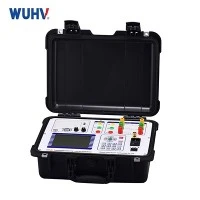


Acceptable insulation resistance readings can vary depending on factors such as the type of equipment, the voltage level,
environmental conditions, and relevant industry standards. Insulation resistance is typically measured in ohms, and higher
resistance values generally indicate better insulation integrity. Here are some general guidelines for acceptable insulation
resistance readings:
Low-Voltage Equipment (e.g., 600V or Below):
For low-voltage equipment, such as in residential and commercial settings, acceptable insulation resistance readings are often in
the range of 1 megohm (1 MΩ) or higher. Some standards may specify higher values, such as 2 MΩ or 5 MΩ.
High-Voltage Equipment (e.g., Above 600V):
High-voltage equipment, which is subjected to higher electrical stresses, generally requires higher insulation resistance values.
Acceptable readings can range from 1 MΩ to 10 MΩ or more, depending on the voltage level and industry standards.
Industry Standards:
Consult relevant industry standards and guidelines for specific acceptable insulation resistance values. For example, the Institute
of Electrical and Electronics Engineers (IEEE) and the International Electrotechnical Commission (IEC) provide standards for
insulation resistance testing.
Manufacturer Specifications:
Refer to the manufacturer's specifications for the specific equipment being tested. Equipment manufacturers often provide
guidelines for acceptable insulation resistance values based on the type of insulation used in their products.
Temperature and Humidity Considerations:
Environmental conditions, such as temperature and humidity, can affect insulation resistance readings. Some standards provide
temperature correction factors to adjust readings based on the environmental conditions during testing.
Comparison with Historical Data:
Compare current insulation resistance readings with historical data for the same equipment. A significant decrease in insulation
resistance over time may indicate a potential issue with the insulation.
It's crucial to note that the acceptable insulation resistance value is context-specific and should be determined based on the
specific application, industry standards, and the type of equipment being tested. Always follow the guidelines provided by
relevant standards, regulations, and equipment manufacturers.
During insulation resistance testing, ensure that safety precautions are followed, and the equipment is de-energized to prevent
accidents and ensure the safety of personnel conducting the tests.