

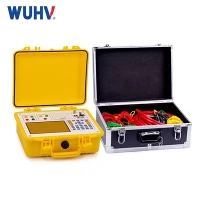


What is high voltage measurement?
High voltage measurement refers to the process of measuring the voltage of an electrical system or component when the voltage level is above the typical operating range or exceeds standard voltage levels. High voltage measurements are commonly encountered in various applications, including power generation, transmission, distribution, industrial processes, and research.
Here's an overview of high voltage measurement:
Voltage Range: High voltage measurements typically involve voltage levels above the standard operating range of electrical systems. While the exact threshold for "high voltage" may vary depending on the context and application, it often refers to voltages exceeding several hundred volts, kilovolts (kV), or even megavolts (MV).
Measurement Techniques: Various techniques and instruments are used for high voltage measurement, depending on the voltage level, accuracy requirements, and safety considerations. Common instruments for high voltage measurement include:
Voltage Probes or Sensors: Voltage probes or sensors are devices designed to measure voltage in electrical circuits. They often employ capacitive or resistive sensing elements and can be used for both AC and DC voltage measurements.
Voltage Meters: Digital multimeters (DMMs) or specialized voltage meters capable of measuring high voltages are used for direct voltage measurement. These meters may include safety features such as high-voltage probes, insulated leads, and voltage range selection to ensure safe and accurate measurements.
Voltage Dividers: Voltage dividers, also known as resistive voltage dividers, are passive components used to reduce high voltages to lower, more manageable levels for measurement purposes. They consist of resistive elements arranged in a specific configuration to divide the input voltage and provide a scaled-down output voltage suitable for measurement with standard instruments.
Oscilloscopes: Oscilloscopes equipped with high-voltage probes are used for dynamic voltage measurements, waveform analysis, and transient voltage measurements in high-voltage systems.
Safety Considerations: High voltage measurement poses significant safety risks to personnel and equipment due to the potential for electric shock, insulation breakdown, and equipment damage. Therefore, safety precautions, such as using insulated tools and equipment, employing proper personal protective equipment (PPE), and following established safety procedures, are essential when performing high voltage measurements.
Calibration and Accuracy: High voltage measurement instruments must be calibrated regularly to ensure accuracy and reliability. Calibration involves comparing the instrument's readings against known reference standards and adjusting the instrument as necessary to maintain its accuracy within specified tolerances.
High voltage measurement is critical for ensuring the safe and reliable operation of electrical systems, diagnosing faults, performing maintenance, and conducting research in various fields related to high-voltage technology. Proper measurement techniques, safety precautions, and instrument calibration are essential for obtaining accurate and meaningful high voltage measurements.