

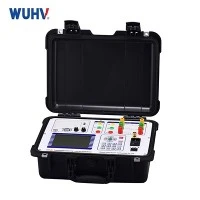


Insulation testers and earth resistance testers are both instruments used in electrical testing, but they serve different purposes
and measure different electrical parameters. Here's a brief overview of the differences between the two:
Insulation Tester:
Purpose: The primary purpose of an insulation tester, also known as a megohmmeter, is to measure the insulation resistance of
electrical insulation materials.
Measurement Parameter: The key parameter measured by an insulation tester is insulation resistance, typically in ohms or
megohms. It indicates the resistance between conductors and the insulation material.
Applications: Insulation testing is commonly used to assess the insulation condition of electrical cables, wires, motors,
transformers, and other electrical equipment.
Test Voltage: Insulation testers apply a high DC voltage (usually 500V, 1kV, 2.5kV, or higher) to the insulation to measure its
resistance. The tester evaluates how effectively the insulation prevents current flow.
Earth Resistance Tester (Ground Resistance Tester):
Purpose: An earth resistance tester is designed to measure the resistance of an electrical system or equipment to the ground
(earth).
Measurement Parameter: The primary parameter measured by an earth resistance tester is the resistance between the grounding
electrode and the earth. This is crucial for ensuring a low-resistance path to the ground for safety and equipment protection.
Applications: Earth resistance testing is essential for grounding systems, lightning protection systems, and any electrical
installation where a reliable ground connection is critical.
Test Method: Earth resistance testers typically use the fall-of-potential method or the three-pole method to measure ground
resistance. The fall-of-potential method involves injecting a current into the ground and measuring the voltage drop across a
ground electrode. The three-pole method uses three electrodes to measure the resistance.
In summary, while both insulation testers and earth resistance testers measure resistance in electrical systems, they focus on
different aspects. An insulation tester assesses the insulation quality of materials, while an earth resistance tester evaluates the
effectiveness of the grounding system by measuring the resistance to the earth. The choice between these testers depends on
the specific testing requirements of the electrical installation or equipment being assessed.