

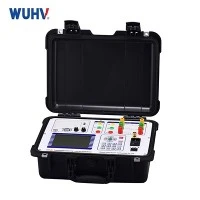


High voltage testing involves potentially dangerous voltages, and it's crucial to take strict precautions to ensure the safety of personnel and equipment. Here are essential precautions to be taken during high voltage testing:
1. Qualified Personnel:
Only trained and qualified personnel should perform high voltage testing. Ensure that individuals conducting the tests have the necessary knowledge, skills, and experience.
2. Personal Protective Equipment (PPE):
Wear appropriate personal protective equipment, including:
Insulated gloves
Safety goggles or a face shield
Insulated clothing or gear
Safety shoes
3. Safety Interlocks:
Use high voltage testers with safety interlocks to prevent operation when certain conditions, such as inadequate grounding, are not met.
4. Clear Safety Procedures:
Establish and follow clear safety procedures for high voltage testing. This includes step-by-step instructions, safety checks, and emergency shutdown procedures.
5. Risk Assessment:
Conduct a thorough risk assessment before the testing process to identify potential hazards and implement appropriate safety measures.
6. Secure Test Area:
Restrict access to the test area to authorized personnel only. Clearly mark the area with warning signs.
7. Emergency Response Plan:
Develop and communicate an emergency response plan. Ensure that all personnel involved in the testing are familiar with emergency procedures and know how to respond to different scenarios, including equipment malfunction or personnel injury.
8. Equipment Inspection:
Regularly inspect high voltage testing equipment for any signs of damage or wear. Ensure that the equipment is in good working condition before each use.
9. Proper Grounding:
Ensure proper grounding of the equipment under test and the high voltage testing apparatus. Inadequate grounding can lead to increased risks of electric shock.
10. Voltage Ratings:
Ensure that the high voltage testing equipment is set to the appropriate voltage level for the test. Avoid exceeding the rated voltage of the equipment being tested.
11. Preventive Maintenance:
Perform routine maintenance on high voltage testing equipment according to manufacturer recommendations. This includes calibration and regular checks to ensure accuracy and reliability.
12. Communication:
Maintain clear communication among team members involved in the testing. Use standardized signals or verbal communication to coordinate activities and alert others about the status of the test.
13. Remote Operation:
If possible, consider using remote operation or automation for high voltage testing to minimize direct exposure to the test environment.
14. Training:
Provide comprehensive training to personnel involved in high voltage testing. Ensure they understand the risks associated with the testing process and are aware of safety protocols.
15. Post-Test Evaluation:
After completing the high voltage test, conduct a post-test evaluation to assess the results and verify that all safety measures were followed.
By strictly adhering to these precautions, the risks associated with high voltage testing can be minimized, promoting a safer testing environment for personnel and equipment. Always refer to specific safety guidelines and regulations applicable to your industry and location.