

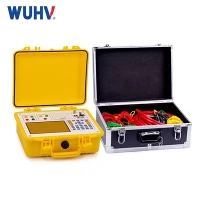


Detecting power quality problems involves monitoring and analyzing various electrical parameters to identify deviations from the ideal power supply characteristics. Specialized instruments, such as power quality analyzers and data loggers, are commonly used for this purpose. Here are some methods and tools used to detect power quality problems:
Power Quality Analyzers:
Power quality analyzers are advanced instruments designed to measure and analyze a wide range of power parameters. They can capture and analyze voltage and current waveforms, harmonics, transients, flicker, and other power quality indicators.
Data Loggers:
Data loggers continuously record electrical parameters over an extended period. This allows for the identification of long-term trends and the detection of recurring power quality issues.
Voltage and Current Waveform Analysis:
Visual inspection of voltage and current waveforms using oscilloscopes or power quality analyzers can reveal abnormalities such as sags, swells, distortions, or irregularities.
Harmonics Analysis:
Power quality analyzers can perform harmonic analysis to identify the presence and level of harmonics in the power system. Excessive harmonics can lead to waveform distortion and affect equipment performance.
Transient Analysis:
Instruments capable of capturing transient events, such as power quality analyzers and oscilloscopes, help detect sudden and temporary voltage spikes or disturbances.
Power Factor Measurement:
Monitoring power factor helps identify issues related to inefficient power usage. Low power factors can indicate problems such as reactive power demand.
Frequency Monitoring:
Monitoring the power system frequency ensures that it remains within acceptable limits. Deviations from the standard frequency can indicate potential power quality problems.
Voltage Dips and Swells Detection:
Power quality analyzers and data loggers can detect and record short-term variations in voltage levels, such as dips and swells, which can affect sensitive equipment.
Flicker Analysis:
Flicker meters and power quality analyzers with flicker analysis capabilities help assess rapid and repetitive variations in voltage that can impact lighting systems and sensitive equipment.
Event Logging:
Power quality analyzers and data loggers log events such as voltage interruptions, sags, swells, and other disturbances. Analyzing event logs helps identify patterns and potential causes.
Remote Monitoring:
Remote monitoring solutions enable real-time or remote access to power quality data. This is especially useful for detecting and addressing power quality issues in distributed or remote locations.
Power Quality Surveys:
Conducting comprehensive power quality surveys involves deploying instruments at various points in the electrical system to collect data and identify potential issues.
Audible and Visual Indicators:
Some power quality analyzers provide audible and visual alarms to alert operators to immediate power quality issues during monitoring.
Compliance Monitoring:
Comparing power quality parameters against industry standards and regulations helps ensure compliance and identifies deviations that may require corrective actions.
Regular and systematic power quality monitoring is crucial for detecting issues promptly and implementing corrective measures to maintain a reliable and efficient electrical system. It's essential to use appropriate instruments and follow industry standards and guidelines for power quality analysis.