

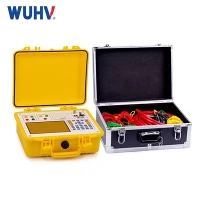


Power quality monitoring involves the continuous observation and analysis of various electrical parameters to assess the quality of the power supply in an electrical system. Power quality refers to the characteristics of the voltage and current waveforms that can affect the performance and reliability of connected electrical and electronic equipment. Monitoring power quality helps identify and address issues such as voltage variations, frequency fluctuations, harmonics, transients, and other disturbances.
Key aspects of power quality monitoring include:
Voltage and Current Waveform Analysis:
Continuous monitoring of voltage and current waveforms to identify variations, distortions, or irregularities.
Frequency Monitoring:
Observing the frequency of the power supply to ensure it remains within acceptable limits (typically 50 or 60 Hz).
Harmonics Analysis:
Identifying and analyzing harmonic distortions in the power system. Harmonics are unwanted frequencies that can distort waveforms and affect the performance of equipment.
Power Factor Measurement:
Monitoring power factor to evaluate the efficiency of power usage in the system. Low power factors can indicate inefficient power utilization.
Voltage Dips and Swells Detection:
Detecting and recording short-term variations in voltage levels, such as dips and swells, which can affect sensitive equipment.
Transient Analysis:
Capturing and analyzing transient events, which are sudden and temporary voltage spikes or disturbances.
Flicker Analysis:
Assessing voltage flicker, which refers to rapid and repetitive variations in voltage. Flicker can be a concern in environments with flicker-sensitive equipment.
Event Logging:
Logging and documenting power quality events such as voltage interruptions, sags, swells, and other disturbances. Event logs help identify patterns and potential causes.
Long-Term Data Logging:
Recording long-term data to analyze trends and variations in power quality over extended periods.
Compliance Monitoring:
Checking power quality parameters against industry standards and regulations to ensure compliance with specified limits.
Remote Monitoring:
Implementing remote monitoring solutions to access real-time or historical power quality data from different locations.
Power quality monitoring is crucial in various settings, including industrial facilities, commercial buildings, and utility systems. It helps power system engineers, maintenance professionals, and electrical technicians diagnose, troubleshoot, and optimize the performance of electrical systems. Continuous monitoring allows for proactive identification of potential issues, leading to improved system reliability and reduced downtime for critical equipment. Specialized instruments such as power quality analyzers and data loggers are commonly used for power quality monitoring tasks.