

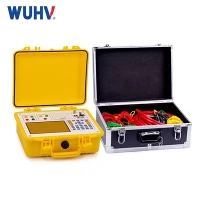


Determining if a transformer is bad requires a systematic evaluation of its performance and condition. Here are several indicators and steps you can take to assess whether a transformer is faulty:
Visual Inspection:
Inspect the transformer for any physical damage, such as cracks, leaks, burnt insulation, or signs of overheating. Physical damage may indicate internal faults or insulation breakdown.
Testing with a Multimeter:
Perform basic tests using a multimeter to check the resistance of the primary and secondary windings. Abnormal resistance readings, such as open circuits or short circuits, may indicate winding faults.
Check for continuity between the primary and secondary windings. There should be no continuity, as the windings should be electrically isolated from each other.
Insulation Resistance Test (Megger Test):
Conduct an insulation resistance test using a Megger or insulation resistance tester. This test measures the resistance of the insulation between the windings and the transformer core. Low insulation resistance readings may indicate insulation breakdown or moisture ingress.
Load Test:
Connect a load to the secondary winding and measure the output voltage under load conditions. Abnormal voltage output, voltage fluctuations, or inability to supply the required load may indicate a faulty transformer.
Visual Inspection of Oil-Immersed Transformers:
For oil-immersed transformers, inspect the oil for discoloration, contamination, or unusual odors, which may indicate insulation degradation or internal faults.
Diagnostic Tests:
For more comprehensive evaluation, consider specialized diagnostic tests such as power factor testing, dissolved gas analysis (DGA), or sweep frequency response analysis (SFRA). These tests can provide detailed insights into the condition of the transformer and detect specific faults or abnormalities.
Monitoring and Historical Data:
Review historical performance data and maintenance records of the transformer. Persistent issues, frequent failures, or declining performance over time may indicate underlying problems.
Consultation with Experts:
If you are unsure about the condition of the transformer or if you suspect significant issues, consider consulting with qualified engineers or technicians specializing in transformer diagnostics and testing. They can perform detailed assessments and recommend appropriate actions based on their findings.
It's important to note that diagnosing transformer faults requires expertise and specialized equipment, especially for more advanced diagnostic tests. If you suspect a transformer is faulty or malfunctioning, it's advisable to seek assistance from qualified professionals to ensure accurate assessment and appropriate remedial measures.