

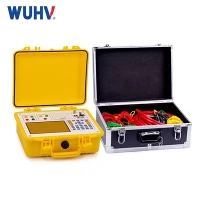


Determining whether transformer oil is in poor condition involves conducting various tests to assess its key properties. Regular
testing is essential for preventive maintenance and early detection of potential issues. Here are some signs that your transformer
oil may be deteriorating or "bad":
Dielectric Strength: If the dielectric strength of the oil is below the recommended threshold, it suggests a breakdown in the oil's
insulating properties. A lower dielectric strength can result from contamination, aging, or other issues.
Acidity: An increase in acidity indicates the presence of acidic by-products in the oil, which can be a result of the oil breaking
down over time. High acidity can accelerate the degradation of the insulation materials in the transformer.
Dissolved Gas Analysis (DGA): Elevated levels of certain gases, such as methane, ethane, ethylene, and acetylene, can be
indicative of various faults within the transformer, including overheating, partial discharge, or arcing.
Moisture Content: An increase in moisture content can compromise the dielectric properties of the oil. Excess moisture can result
from leaks or improper sealing, and it can lead to accelerated aging and reduced insulation performance.
Interfacial Tension: A decrease in interfacial tension may suggest the presence of polar contaminants, such as water or other
substances that can affect the oil's ability to insulate.
Color Change: Significant changes in color, such as darkening, may indicate the presence of contaminants or oxidation.
Oxidation can occur due to exposure to air and elevated temperatures.
Viscosity: Changes in viscosity outside the specified range may suggest contamination or degradation of the oil.
Particulate Contamination: Excessive levels of solid particles in the oil can lead to increased wear and tear on the transformer
components and may indicate issues such as insulation breakdown or mechanical wear.
If you observe any of these signs, it's important to conduct a thorough analysis of the transformer oil. Regular oil testing, as part
of a maintenance program, helps in identifying potential problems early, allowing for corrective actions to be taken before
major issues arise. Professional testing laboratories can perform comprehensive transformer oil analysis, or you can use
transformer oil testing kits for basic assessments on-site. If you are unsure or if the results indicate potential issues, it is advisable
to consult with a qualified professional or transformer maintenance specialist for further evaluation and recommendations.