

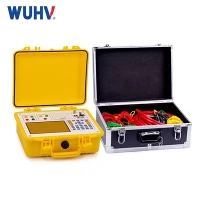


A Motor Test Bench is a specialized piece of equipment used to test electric motors under controlled conditions. It allows engineers and technicians to assess the motor's performance, efficiency, and operational characteristics. These benches are essential for testing motors in manufacturing, maintenance, and quality control environments. Here are the FAQs about Motor Test Benches.
1. What is a Motor Test Bench?
A Motor Test Bench is a testing system used to evaluate the performance of electric motors. It measures various parameters such as torque, speed, current consumption, voltage, and efficiency while the motor is running. Motor test benches simulate real-world operating conditions and can test motors of various types, including AC motors, DC motors, synchronous motors, and induction motors.
2. What is the purpose of a Motor Test Bench?
The purpose of using a Motor Test Bench is to:
Evaluate Motor Performance: Verify that motors meet design specifications, including torque, speed, power output, and efficiency.
Quality Control: Ensure motors meet industry standards and pass functional tests before they are delivered to customers or put into service.
Diagnostics: Identify faults or potential issues in motors, such as imbalance, vibration, or excessive heat.
Efficiency Testing: Measure the energy efficiency of motors, which is important for meeting energy efficiency standards and regulations.
Pre-commissioning Testing: Before installation or use, motors are tested to ensure they are in optimal working condition.
3. How does a Motor Test Bench work?
A Motor Test Bench operates by providing power to the motor being tested and then measuring the motor's output under different loads and operating conditions. It typically consists of:
Test Motor: The motor to be tested is mounted on the test bench.
Load Device: A load is applied to the motor, often through dynamometers, to simulate real operating conditions.
Measuring Instruments: These include tachometers (to measure speed), voltage and current meters (to measure electrical parameters), and torque sensors (to measure torque).
Control System: A controller that adjusts load and motor operating conditions to evaluate performance.
Cooling and Ventilation: Often integrated into the test bench to keep the motor from overheating during tests.
By running the motor through various tests (e.g., speed, torque, efficiency), the test bench provides detailed data for evaluation.
4. What parameters can be measured using a Motor Test Bench?
Motor test benches are capable of measuring a variety of important motor performance parameters, including:
Speed (RPM): Measures the rotational speed of the motor.
Torque: Measures the rotational force produced by the motor.
Power Output: Calculates the motor's output power, which can be derived from torque and speed.
Efficiency: Compares the input electrical power to the mechanical power output, giving the motor's efficiency rating.
Current Consumption: Measures the current drawn by the motor during operation.
Voltage: Measures the voltage supplied to the motor.
Vibration: Measures the vibration levels of the motor, which can indicate misalignment or imbalance.
Temperature: Monitors motor temperature to prevent overheating.
Slip (for induction motors): Measures the difference between synchronous and actual motor speed.
5. What types of motors can be tested on a Motor Test Bench?
Motor test benches are designed to test a wide range of electric motors, including:
AC Motors: Including synchronous and asynchronous (induction) motors.
DC Motors: Including brushed and brushless DC motors.
Single-phase motors: Used primarily for household or small industrial applications.
Three-phase motors: Used in industrial settings, typically for larger machinery.
Permanent Magnet Motors: Often found in energy-efficient applications like electric vehicles or precision instruments.
6. What is a Dynamometer, and how does it relate to a Motor Test Bench?
A Dynamometer is a device used to measure the output torque and power of the motor. It is an essential part of the motor test bench and can either be mechanical or electronic:
Mechanical Dynamometers: Use friction or a mechanical load to apply resistance to the motor.
Electronic Dynamometers: Use sensors to measure the torque and speed of the motor, and they can provide real-time performance data.
The dynamometer allows the tester to simulate different loading conditions and measure how the motor performs under various loads.
7. What tests can be performed on a Motor Test Bench?
Some common tests performed using a Motor Test Bench include:
No-load Test: Measures the motor's performance when it is running without any mechanical load. This test helps assess the motor's efficiency and current draw.
Load Test: Applies a known mechanical load to the motor and measures its response, including torque, speed, and power output.
Efficiency Test: Measures input and output power to determine the motor's efficiency.
Thermal Test: Monitors the motor's temperature during operation to ensure it doesn't overheat.
Endurance Test: Runs the motor for extended periods to check its durability and long-term performance under normal or extreme conditions.
Starting Test: Evaluates the motor's ability to start under load.
Vibration Test: Measures the vibration level of the motor to detect imbalance or mechanical issues.
Slip Test (for induction motors): Measures the difference between the synchronous speed and the actual speed of the motor under load.
8. What are the components of a typical Motor Test Bench?
A typical motor test bench includes the following components:
Motor Mounting System: A sturdy platform or frame to hold the motor securely during testing.
Dynamometer/Load Device: To apply load and measure torque and power output.
Test Instruments: These include tachometers, voltmeter, ammeter, torque sensors, vibration sensors, and temperature gauges.
Control Panel: The interface for controlling the test bench, adjusting load, and recording test results.
Cooling System: To prevent overheating of the motor during extended testing.
Power Supply: To provide the required electrical input to the motor under test.
Safety Features: Including emergency shutoffs and protective barriers to ensure operator safety during testing.
9. How accurate are the measurements on a Motor Test Bench?
The accuracy of measurements on a motor test bench depends on the quality and calibration of the equipment used. High-quality test benches provide accurate readings for parameters like torque, speed, and efficiency, often with high precision down to a fraction of a percentage point. However, regular calibration is necessary to maintain accuracy over time. The accuracy of measurements can also depend on:
The type of dynamometer used.
The precision of the measuring instruments (e.g., tachometers, torque sensors).
The ability of the test bench to simulate real-world conditions effectively.
10. How is data recorded and analyzed on a Motor Test Bench?
Motor test benches often have data acquisition systems that record all test parameters in real time. The data is typically displayed on a control panel or PC interface. The recorded data can be:
Stored for future reference.
Analyzed for trends (e.g., motor wear, efficiency loss).
Used to generate performance reports that include graphs and charts of key metrics like torque, speed, current, and efficiency.
Exported for further analysis or reporting purposes.
Some test benches may also have built-in software to automatically calculate motor efficiency, power factor, and other important parameters.
11. What are the safety precautions to take when using a Motor Test Bench?
To ensure safe operation when using a motor test bench:
Ensure proper grounding of the test bench and motor.
Use Personal Protective Equipment (PPE) like insulated gloves and safety goggles.
Follow lockout/tagout procedures to ensure that the motor cannot be started while the test bench is being serviced.
Ensure the test bench is properly ventilated to avoid overheating, especially during long-duration tests.
Regularly inspect the test bench for any worn or damaged components, particularly the dynamometer, wires, and control systems.
Never exceed the rated power or voltage limits for the motor under test.
12. What is the maximum motor size that can be tested on a Motor Test Bench?
The maximum motor size that can be tested depends on the design and capacity of the test bench. Standard test benches can handle motors ranging from fractional horsepower (HP) motors up to several hundred horsepower. Some specialized test benches can test even larger motors, such as those used in industrial plants or heavy machinery.
13. How often should a Motor Test Bench be calibrated?
To maintain accuracy and reliability, motor test benches should be calibrated regularly, typically once a year or after a certain number of test cycles. Calibration ensures that measurements for torque, speed, and other parameters are accurate and in line with industry standards.
If you are looking for Motor Test Bench manufacturers and suppliers, please feel free to contact us for high quality and googl price of the Motor Test Bench and a more detailed introduction. As an factory of Motor Test Bench, last 21years,we design, development, manufacturing and marketing in China, we have various types of Motor Test Bench for sales to solve your problems.