

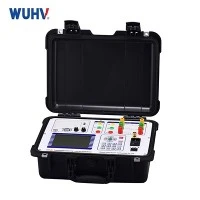


A control console is a centralized panel or enclosure that houses controls, switches, indicators, and other interface components used to monitor and manage various systems or processes in industrial, commercial, or technological environments. Control consoles serve as command centers where operators or technicians can interact with and control complex systems or equipment.
The specific functions and features of a control console vary depending on the application and the systems or processes it is designed to control. However, the general purpose of a control console is to provide operators with a centralized interface for performing the following tasks:
System Control: Control consoles allow operators to initiate, stop, adjust, and monitor the operation of various systems or processes. This may include controlling machinery, equipment, manufacturing processes, environmental control systems, and other automated or manual operations.
Data Monitoring and Display: Control consoles typically feature displays, indicators, meters, and digital screens that provide real-time data, status information, and feedback about the performance of systems or processes. Operators can monitor parameters such as temperature, pressure, flow rates, levels, speeds, and other relevant variables to ensure smooth and efficient operation.
Alarm Management: Control consoles often include alarm indicators, annunciators, and audible alarms that alert operators to abnormal conditions, faults, or safety hazards within the monitored systems. Operators can acknowledge, troubleshoot, and respond to alarms promptly to mitigate risks and ensure system integrity.
System Configuration and Programming: In some cases, control consoles may allow operators to configure system parameters, set operating modes, program control sequences, and adjust control algorithms to optimize system performance and meet specific operational requirements.
Safety and Emergency Control: Control consoles may incorporate emergency stop buttons, kill switches, and safety interlocks that allow operators to immediately halt system operation in emergency situations or hazardous conditions to ensure personnel safety and prevent equipment damage.
Integration with Supervisory Control Systems: Control consoles may be integrated with supervisory control and data acquisition (SCADA) systems, distributed control systems (DCS), or other centralized control systems to enable remote monitoring, control, and data acquisition across multiple systems or facilities.
Human-Machine Interface (HMI): Control consoles serve as the interface between human operators and complex systems or processes, providing intuitive controls, graphical displays, and interactive interfaces that facilitate operator interaction and decision-making.
Overall, control consoles play a critical role in enabling operators to effectively monitor, control, and manage complex systems or processes, ensuring efficient operation, safety, and productivity in industrial, commercial, and technological environments.