

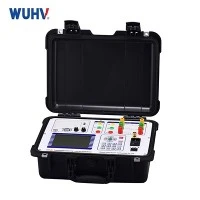


Withstand voltage, also known as dielectric strength or breakdown voltage, refers to the maximum voltage that an insulating material, component, or system can withstand without experiencing electrical breakdown or failure. In other words, it is the voltage level at which the insulation between conductive elements breaks down, allowing electrical current to pass through.
The ability of an insulating material to withstand voltage is a critical consideration in electrical and electronic systems where components and devices are subjected to varying voltage levels. Insulating materials, such as those used in cables, wires, transformers, and electronic components, need to be able to resist the stresses imposed by the applied voltage to ensure safe and reliable operation.
Key points related to withstand voltage include:
Dielectric Strength:
Withstand voltage is often referred to as dielectric strength. The term "dielectric" pertains to insulating materials that do not conduct electricity easily.
Testing:
Withstand voltage testing is conducted to determine the ability of a material or device to handle a specific voltage without breakdown.
The testing involves applying a high voltage to the material and observing whether electrical breakdown occurs.
Safety Consideration:
Withstand voltage is crucial for ensuring the safety and reliability of electrical and electronic systems.
Insulation failure can lead to electrical arcing, sparks, and equipment malfunction, posing safety hazards.
Standards and Regulations:
Industry standards and regulations often specify the minimum withstand voltage requirements for different types of electrical equipment and components.
Compliance with these standards helps ensure the reliability and safety of products.
Voltage Ratings:
Electrical components, such as capacitors, transformers, and cables, are typically assigned voltage ratings based on their ability to withstand specific voltage levels.
Users must operate these components within their specified voltage ratings to prevent insulation breakdown.
Insulation Coordination:
Withstand voltage considerations are part of insulation coordination, which involves selecting insulation materials and systems that can withstand the expected operating voltages and transient overvoltages.
Impulse Withstand Voltage:
In addition to continuous voltage, components may be tested for impulse withstand voltage, which evaluates their ability to withstand short-duration, high-voltage impulses.
Environmental Factors:
Environmental conditions, such as humidity and temperature, can affect the withstand voltage characteristics of insulating materials.
Understanding the withstand voltage requirements is essential for designing and manufacturing electrical and electronic systems that meet safety standards and ensure reliable operation. Engineers and manufacturers carefully select insulating materials and perform testing to verify that components can withstand the voltages they are likely to encounter during normal operation and under adverse conditions.