

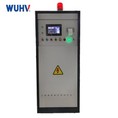


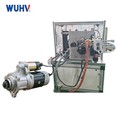
The lineman's glove test, also known as the electrical glove testing or dielectric glove testing, is a critical safety practice for electrical lineworkers who work with high-voltage systems. Linemen often use insulating gloves as part of their personal protective equipment (PPE) to protect themselves from electrical shocks when working on or near live electrical circuits. The lineman's glove test is conducted to ensure that these insulating gloves maintain their integrity and can effectively provide electrical insulation.
Here are the key steps involved in the lineman's glove test:
1. Visual Inspection:
Before conducting the test, visually inspect the insulating gloves for any visible defects. Look for cuts, punctures, abrasions, or any signs of wear that may compromise the integrity of the gloves.
Ensure that the gloves are clean and free from contaminants.
2. Prepare Gloves for Testing:
Lay the gloves flat on a clean, dry surface.
Ensure that the gloves are properly positioned on the testing fixture or platform of the glove tester.
3. Select the Appropriate Tester:
Use a specialized glove tester or dielectric tester designed for testing insulating gloves.
The tester should be capable of applying a high voltage to the gloves to assess their dielectric strength.
4. Set Testing Parameters:
Set the testing parameters on the glove tester. This includes specifying the test voltage level and duration.
The test voltage is typically higher than the maximum expected voltage in the work environment to ensure the gloves can withstand potential electrical stress.
5. Perform the Test:
Initiate the testing process using the glove tester. The tester will apply a high voltage to the gloves according to the set parameters.
The gloves should be able to withstand the applied voltage without allowing electrical current to pass through.
6. Observe Test Results:
Monitor the test results on the glove tester. The tester will indicate whether the gloves pass or fail based on preset criteria.
If the gloves pass, they are considered safe for use. If they fail, they may need to be replaced.
7. Document Results:
Record the test results, including the date of testing, the voltage applied, and the pass/fail status of the gloves.
Maintain a log of all testing activities for documentation and compliance purposes.
8. Regular Testing Schedule:
Follow a regular testing schedule as per industry standards and regulations.
The frequency of testing may depend on factors such as the type of gloves, their usage, and regulatory requirements.
9. Retire Gloves if Necessary:
If gloves fail the test or show signs of significant wear, retire them from service.
Replace faulty or worn gloves with new ones to maintain a high level of safety.
10. Adhere to Standards:
Ensure that the testing process complies with relevant industry standards and regulations.
Familiarize yourself with the specific testing requirements outlined in applicable standards.
The lineman's glove test is a crucial component of electrical safety for lineworkers, helping ensure that insulating gloves remain effective in preventing electrical shocks and protecting the workers from potential hazards associated with high-voltage systems.