

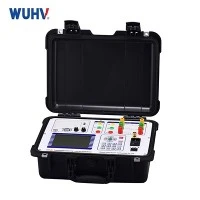


An AC resonant test system, also known as an AC resonant test set or resonant test transformer system, is a specialized high-voltage testing apparatus used for testing the insulation of electrical equipment, such as power transformers, circuit breakers, and other high-voltage devices. The AC resonant test system is particularly effective for performing voltage withstand tests on these components. Here are key components and features of an AC resonant test system:
Variable Frequency Power Source:
The AC resonant test system typically includes a variable frequency power source. The frequency of the power source can be adjusted to match the resonant frequency of the test circuit. This resonant frequency is determined by the capacitance of the test object and the inductance of the test system.
Tank Circuit (Resonant Circuit):
The core of the AC resonant test system is a tank circuit, which consists of a high-voltage inductor (usually the test transformer) and a capacitor. The combination of the inductor and capacitor creates a resonant circuit with a specific resonant frequency.
Test Transformer:
The test transformer is a key component that generates the high voltage required for testing. It is designed to handle the high current and voltage levels associated with resonant testing. The test transformer is connected in series with the tank circuit.
Coupling Transformer:
A coupling transformer is used to connect the high-voltage test transformer to the test object. It ensures efficient transfer of power from the resonant circuit to the test object.
Control and Measurement System:
The AC resonant test system is equipped with a control and measurement system that allows operators to set and monitor the test parameters. This system includes controls for adjusting the test voltage, frequency, and duration, as well as safety interlocks.
Safety Features:
Due to the high voltages involved in the testing process, AC resonant test systems incorporate various safety features, such as interlocks, grounding systems, and protective enclosures.
The primary purpose of the AC resonant test system is to subject the test object to a high-voltage, high-frequency AC voltage that matches the resonant frequency of the tank circuit. This type of testing is particularly effective for detecting weaknesses or defects in the insulation of high-voltage equipment. The resonant test allows for a more efficient and controlled method of applying high-voltage stress to the insulation, helping to identify potential issues before the equipment is put into service.
AC resonant testing is commonly used for routine testing, type testing, and acceptance testing of high-voltage equipment, providing valuable information about the insulation integrity and overall performance of the tested objects.