

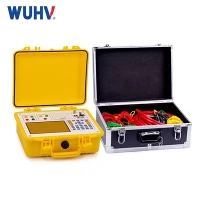


Cable pressure testing is a method used to assess the integrity of cable insulation and identify potential weaknesses or defects that could lead to insulation failure. This type of testing is typically applied to cables used in high-voltage applications, such as power transmission and distribution. Cable pressure testing involves applying a pressurized fluid (often a liquid dielectric) to the cable to detect any leaks or flaws in the insulation.
Here are the key aspects of cable pressure testing:
Objective:
The primary objective of cable pressure testing is to ensure that the cable insulation is free from defects, voids, or imperfections that could compromise its ability to withstand high voltages.
Test Setup:
The cable is filled with a pressurized fluid, such as oil or another dielectric liquid, to create a pressurized environment around the cable insulation.
Pressure Application:
The pressurized fluid is applied at a specified pressure level for a predetermined duration. The pressure applied should be sufficient to stress the cable insulation and reveal any weaknesses.
Detection of Leaks or Weaknesses:
During the pressure application, the cable is monitored for any signs of leaks or weaknesses in the insulation. This can be observed through the detection of fluid escaping from the cable or changes in pressure.
Pressure Holding Period:
After the initial pressure application, a pressure holding period may follow to assess whether the cable can maintain the applied pressure without significant pressure loss.
Monitoring and Measurement:
Instruments are used to monitor pressure levels and detect any deviations. Pressure gauges, flow meters, and other measuring devices are employed to assess the condition of the cable during the test.
Test Completion:
Once the pressure testing is completed, the cable is depressurized, and the fluid is typically drained from the cable.
Analysis of Results:
The results of the cable pressure testing are analyzed to determine whether the cable insulation has passed the test or if there are indications of leaks, weaknesses, or other issues.
Cable pressure testing is often performed as part of the quality control process during the manufacturing of high-voltage cables. It helps identify potential defects early in the production process, ensuring that only cables with robust insulation properties are installed in power systems. Additionally, this type of testing may be conducted during the commissioning or maintenance of existing high-voltage cable installations.
It's important to note that cable pressure testing is just one of several methods used for assessing cable insulation integrity. Other tests, such as insulation resistance tests, high-potential tests, and partial discharge tests, may also be performed to provide a comprehensive evaluation of cable performance and reliability.