

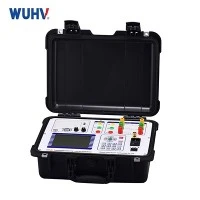


HV inspection typically refers to High Voltage inspection, a process in which electrical components, systems, or equipment that operate at high voltage levels undergo thorough examination and testing to ensure their safety, reliability, and compliance with standards. High Voltage inspection is crucial for identifying potential issues, verifying the integrity of insulation, and preventing electrical failures. The inspection may include various tests and assessments to assess the condition of the equipment. Here are some key aspects of HV inspection:
Visual Inspection:
Visual examination is conducted to identify any visible signs of damage, wear, or degradation in the equipment. This includes checking for loose connections, damaged insulation, and other physical anomalies.
Insulation Resistance Measurement:
Insulation resistance tests are performed to measure the resistance offered by the insulation material. This helps assess the effectiveness of the insulation in preventing leakage currents and electrical faults.
Dielectric Strength Test (Hipot Test):
The dielectric strength test, also known as the hipot test, involves applying a higher-than-normal voltage to the equipment to assess its ability to withstand high electric fields. The test helps identify weaknesses or defects in insulation.
Partial Discharge Testing:
Partial discharge testing is conducted to detect partial discharges within the insulation. Partial discharges can indicate insulation breakdown and potential failure points. Special equipment is used to monitor and measure these discharges.
Thermal Imaging:
Infrared thermography or thermal imaging is employed to identify temperature variations in electrical components. Elevated temperatures can indicate issues such as loose connections or overloaded circuits.
Functional Testing:
Functional tests are performed to verify that the equipment operates as intended under normal operating conditions. This includes testing switches, circuit breakers, relays, and other control components.
Grounding System Inspection:
The grounding system is inspected to ensure that it meets safety and performance requirements. Proper grounding is essential for maintaining electrical safety and preventing electrical hazards.
Voltage and Current Measurement:
Voltage and current measurements are taken at various points in the system to verify that they are within acceptable limits. Any deviations from expected values may indicate potential issues.
Oil Analysis (for applicable equipment):
For equipment such as transformers or high-voltage switches that use oil as an insulating medium, oil analysis is conducted to assess the condition of the oil and identify any signs of degradation or contamination.
Documentation Review:
Reviewing equipment documentation, including maintenance records and previous inspection reports, helps provide context and historical information about the equipment's performance.
HV inspection is a critical aspect of ensuring the reliability and safety of electrical systems operating at high voltage levels. Regular inspections are often part of preventive maintenance programs to detect and address issues before they lead to equipment failures or pose safety risks. Qualified personnel with expertise in high-voltage systems typically perform these inspections to adhere to safety standards and regulatory requirements.