

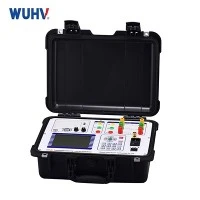


The term "HV test" typically refers to a High Voltage test, which is a type of electrical test performed to assess the electrical insulation and integrity of components, devices, or systems when subjected to high voltages. The high voltage test is also known as a dielectric strength test or hipot (high potential) test. The purpose of this test is to ensure that the insulation can withstand higher-than-normal voltages without breakdown or failure.
Here are key aspects of the High Voltage test:
Dielectric Strength Assessment:
The primary objective of the high voltage test is to evaluate the dielectric strength of insulating materials. Dielectric strength refers to the ability of a material to withstand electric stress without breaking down.
Testing Components and Systems:
High voltage tests can be conducted on various electrical components, including cables, transformers, switchgear, circuit breakers, capacitors, and other devices. They can also be applied to entire electrical systems.
Voltage Levels:
The voltage levels used in high voltage testing are significantly higher than the normal operating voltages of the equipment. The test voltage is applied for a specified duration to assess the insulation's ability to withstand high electric fields.
Types of High Voltage Tests:
There are two common types of high voltage tests:
AC High Voltage Test: In this test, an alternating current (AC) voltage is applied to the device or system. This helps assess the insulation's ability to withstand continuously changing voltages.
DC High Voltage Test: In this test, a direct current (DC) voltage is applied. DC testing is often used for specific applications or when specified by standards.
Detection of Weaknesses or Defects:
The high voltage test is designed to identify weaknesses, defects, or manufacturing errors in the insulation. It helps detect any areas of the insulation that might be prone to breakdown under high voltages.
Compliance with Standards:
Many electrical standards and regulations mandate high voltage testing for certain types of electrical equipment. Compliance with these standards ensures that the equipment meets safety and performance requirements.
Preventive Maintenance:
High voltage testing is often part of preventive maintenance programs for electrical systems. Regular testing can help identify potential issues before they lead to failures during actual operation.
Insulation Resistance Measurement:
In addition to dielectric strength testing, insulation resistance measurements may also be performed. Insulation resistance is the resistance offered by the insulation material to the flow of current.
Safety Precautions:
High voltage testing involves potentially hazardous voltages. Adequate safety precautions must be taken, and the test should be conducted by qualified personnel using proper equipment.
Overall, the high voltage test is a crucial quality control measure to ensure the reliability, safety, and compliance of electrical components and systems with industry standards and regulations.