

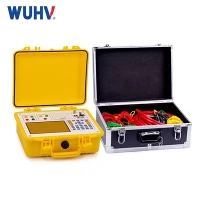


The term "primary injection" in the context of an Air Circuit Breaker (ACB) typically refers to a testing method used to verify the performance and functionality of the ACB's tripping mechanism.
During primary injection testing of an ACB, a high current is injected directly into the primary side of the ACB's tripping mechanism. This high current simulates a fault condition or overload situation in the electrical system, causing the ACB's tripping mechanism to operate and trip the circuit breaker.
Primary injection testing of an ACB is typically performed during commissioning, periodic maintenance, or troubleshooting to ensure that the ACB's tripping mechanism operates correctly and trips the circuit breaker within the specified time and current ratings.
The primary injection test helps verify that the ACB can effectively protect the electrical system by quickly interrupting high currents during fault conditions, thereby preventing damage to equipment and ensuring the safety of personnel.
Overall, primary injection testing of an ACB is an essential step in ensuring the reliable operation of the ACB and the overall electrical system.