

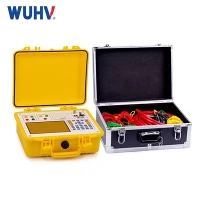


The purpose of a High Voltage (HV) test, also known as a High Voltage Dielectric Test, is to evaluate the electrical insulation and dielectric strength of components, devices, or systems that operate at high voltage levels. The primary objectives and purposes of HV testing include:
Dielectric Strength Assessment:
Evaluate the dielectric strength of insulation in electrical components exposed to high voltages. The test assesses the ability of the insulation to withstand elevated voltages without breaking down or experiencing excessive leakage currents.
Identification of Weaknesses:
Identify weaknesses, defects, or abnormalities in the insulation that could compromise its integrity under high voltage stress. The test helps detect potential points of breakdown or partial discharge.
Verification of Safety:
Ensure the safety of electrical equipment by confirming that the insulation can withstand the specified high voltages without posing a risk of electrical shock or equipment failure.
Quality Assurance in Manufacturing:
Use HV testing as part of quality assurance processes during the manufacturing of electrical components and devices. It verifies that products meet specified insulation standards and are free from defects.
Compliance with Standards:
Ensure compliance with industry standards and regulations that define dielectric strength requirements for different types of electrical equipment. HV testing is conducted to meet safety and performance criteria outlined in applicable standards.
Preventive Maintenance:
Incorporate HV testing as part of preventive maintenance programs to assess the condition of insulation in high-voltage systems. Early detection of potential insulation issues allows for timely corrective actions, reducing the risk of unexpected failures.
Detection of Aging or Deterioration:
Detect aging, deterioration, or other forms of degradation in insulation that may occur over time in high-voltage environments. HV testing helps identify changes in insulation characteristics that could impact the reliability of electrical systems.
Categorization of Components:
Categorize electrical components based on their insulation requirements. Components that operate at higher voltage levels may undergo more stringent HV testing to meet safety and reliability standards.
Verification of New Installations:
Verify the quality of insulation in new installations, ensuring that electrical systems are safe and reliable from the start. HV testing provides confidence in the performance of insulation under operating conditions.
Risk Mitigation:
Mitigate the risk of electrical breakdown, short circuits, or insulation failures by identifying potential issues through HV testing. This proactive approach helps prevent safety hazards and equipment damage.
Confirmation of Insulation Integrity:
Confirm that the insulation maintains its integrity under high voltage stress, preventing unintended currents, arcs, or short circuits that could compromise the performance of electrical systems.
HV testing is commonly applied to various electrical components, including cables, transformers, circuit breakers, motors, generators, and other high-voltage equipment. The specific voltage levels, test durations, and pass/fail criteria for HV testing depend on the type of equipment, industry standards, and testing specifications. It is a critical step in ensuring the overall safety and reliability of electrical systems operating at high voltages.